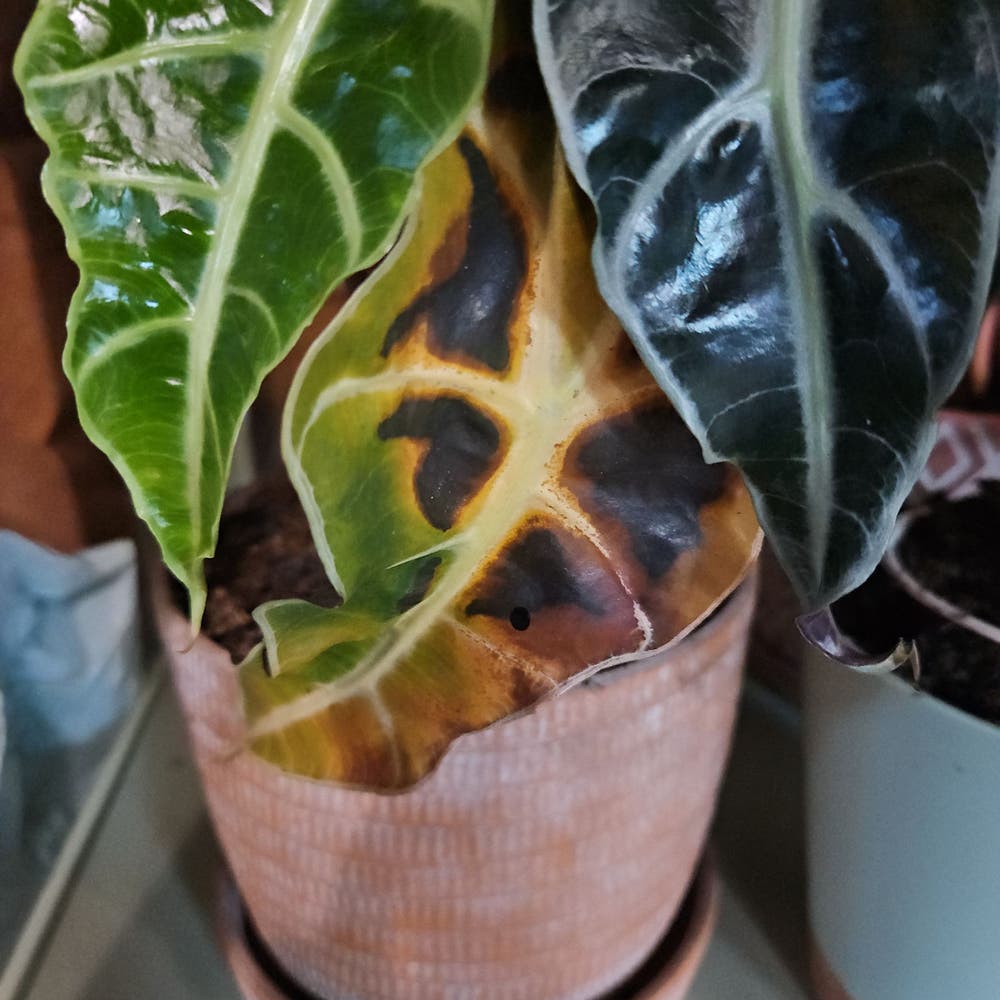
Why Are My Italian Arum Leaves Mushy?
Arum italicum
By the Greg Editorial Team
Jun 18, 2024•3 min read
This article was created with the help of AI so we can cover more plants for you. May contain errors. See one? Report it here.
Revive your Italian Arum from mushy despair 🍂 by tackling overwatering woes with our guide!
- Mushy leaves mean too much water; let the soil dry out.
- Root rot? Uproot and inspect for dark, squishy roots.
- Well-draining soil and stable pot are key for healthy Arum.
Spotting Trouble: Signs Your Italian Arum is Too Wet
🚰 Overwatering Symptoms
Yellow leaves are the plant's white flag of surrender to overwatering. If they're as yellow as a highlighter, it's time to dial back on the aqua. Root rot is the ninja of plant woes, sneaky and destructive. If the roots feel like soggy cereal, you've overstepped. And fungus? That's the plant's version of a bad cold, signaling too much moisture.
🚨 Root Rot Red Flags
Spotting root rot requires a bit of detective work. If your plant's roots are softer than a marshmallow and darker than a storm cloud, they're in trouble. A foul smell wafting from the soil is another giveaway, as is a plant that's more limp than a forgotten salad. If you've got a plant on your hands that's looking more underwatered than a fish out of water, you might just have a case of too much love in the watering can.

Immediate Rescue: What to Do When Mushiness Strikes
💧 Cutting Back on Water
Watering is like love; too much can suffocate. If your Italian Arum's leaves are mushier than a romance novel, pause the H2O. Let the soil dry out before you even think about giving it another drink. It's not neglect; it's tough love.
🚨 The Urgency of Uprooting
When the roots look like they've been through a horror movie, it's time to uproot. Gently take your plant out for a health check. If the roots are darker than your morning coffee and squishier than a stress ball, you've got root rot.
✂️ Pruning with Precision
Grab your shears; it's time for a trim. Snip the mushy leaves and roots with the precision of a sushi chef. Be ruthless with the dead parts but careful not to go Edward Scissorhands on the healthy ones. Aim to keep the plant's integrity while giving it a fighting chance to bounce back.

Long-Term Care: Keeping Your Arum Happy and Healthy
💧 Soil and Drainage Mastery
Well-draining soil is the lifeblood of a thriving Italian Arum. To hit the sweet spot, mix in organic matter like coco coir, which keeps things airy. Don't skimp on the perlite or vermiculite—these are your drainage champions. A handful tossed into your regular potting mix can ward off soggy disasters. Remember, your Arum's roots need to breathe, not swim.
🌿 Environmental Harmony
Creating the perfect home for your Italian Arum isn't rocket science, but it does require some finesse. Bright, direct light is non-negotiable—think less than a foot from a sunny window. But don't let the temperature and humidity play second fiddle; they're the backup singers that can steal the show. Keep them consistent, and you'll have a plant that not only survives but thrives. And when it comes to pots, go for something that complements the plant's clumping growth—spacious yet stable. Terracotta's weight is ideal for anchoring those exuberant leaves.

⚠️ Safety First
This content is for general information and may contain errors, omissions, or outdated details. It is not medical, veterinary advice, or an endorsement of therapeutic claims.
Always consult a qualified healthcare professional before using any plant as food, medicine, or supplement.
Never eat any plant (or feed one to pets) without confirming its identity with at least two trusted sources.
If you suspect poisoning, call Poison Control (800) 222-1222, the Pet Poison Helpline (800) 213-6680, or your local emergency service immediately.
Spotted an error? Please report it here.
Avoid the mushy-leaf mishap in your Italian Arum by letting Greg monitor your plant's environment 🌡️ and send timely watering reminders for peak plant health.