5 Tips for Caring for Your Italian Arum in Winter
Arum italicum
By the Greg Editorial Team
Jul 23, 2024•5 min read
This article was created with the help of AI so we can cover more plants for you. May contain errors. See one? Report it here.
Master Italian Arum's winter sleep 🌨️ and secure a lush spring awakening with these pro care strategies. 🌱
- 🍂 Recognize dormancy signs like slowed growth and paler leaves in Italian Arum.
- ❄️ Protect from frost with mulching and indoor transition as temperatures drop.
- 🌱 Prepare for spring by gradually reintroducing water and fertilization post-winter.
Winter Dormancy and Care
🌨️ Identifying Dormancy Signs
Italian Arum's winter dormancy is a natural part of its cycle, marked by distinct signs that signal a shift in care requirements. Look for a slowdown in growth, a reduction in the plant's water needs, and possibly paler leaves. Recognizing these signs is crucial to prevent overwatering and overfertilizing during this rest period.
🌬️ Adjusting Care for Dormancy
Once dormancy is confirmed, it's time to adjust your care routine:
- Watering: Scale back watering significantly. The soil should be allowed to dry out more than usual before the next watering to prevent root rot.
- Fertilizing: Halt fertilization entirely during the winter months. The plant isn't actively growing and can't use the extra nutrients, which could accumulate in the soil and potentially cause harm.
Frost Protection Strategies
❄️ Understanding Cold Hardiness
Italian Arum has a degree of cold hardiness, but it's not invincible against severe frost. It can tolerate low temperatures to an extent, yet requires safeguarding against harsh winter conditions.
- Italian Arum's tolerance to cold is influenced by its Mediterranean origins, hinting at a preference for milder winters.
- Protection is necessary when temperatures approach the plant's lower tolerance limit to prevent damage.
🧤 Implementing Frost Protection
To ensure your Italian Arum survives the winter chill, employ these practical frost protection methods:
- Use mulch to insulate the soil and roots, which helps maintain a more consistent soil temperature.
- Construct physical barriers, such as burlap wraps or frost cloths, to shield the plant from icy winds and frost.
- Position the plant in a location that minimizes exposure to cold winds and maximizes heat retention, like near a south-facing wall.
- Consider the use of anti-transpirants or anti-desiccants to reduce water loss and prevent frost damage to the leaves.
- For potted Italian Arum, elevate the containers or move them to a sheltered area to reduce the risk of root freeze.
- Monitor weather forecasts and cover the plants with frost blankets or cloches on nights when a frost is expected.
Indoor Winter Management
🌬️ Transitioning Indoors
Italian Arum's winter retreat begins with a timely transition indoors. As temperatures dip towards 60°F (15°C), it's your cue to act. Here's how to ensure a smooth relocation:
- Choose a day with mild weather to avoid shock from sudden temperature changes.
- Inspect the plant for pests and treat if necessary before bringing it inside.
- Place the Arum in a pot with ample drainage to prevent waterlogging in a lower-light environment.
🌿 Indoor Care Adjustments
Once indoors, your Italian Arum's care routine needs a tweak to suit its new setting.
- Light: Position the plant in a spot with bright, indirect light. A north-facing window or one with sheer curtains often works well. Rotate the plant occasionally to promote even growth.
- Humidity: Aim for 50-60% humidity, which may involve using a humidifier or placing a water tray nearby.
- Temperature: Keep the thermostat steady, between 60-85°F (15-29°C), steering clear of drafty spots and direct heat sources like radiators.
Pre-Spring Readiness
🌱 Anticipating Spring Changes
As winter wanes, your Italian Arum gears up for a comeback. It's time to prepare for the end of dormancy and welcome a burst of growth. Here's how:
- Gradually reintroduce watering to awaken the plant's roots.
- Begin fertilization with a balanced mix to fuel the upcoming growth spurt, as suggested by Source #1.
🌨 Addressing Winter Wear
Winter can be tough on Italian Arum, but spring is the time for recovery. Assess your plant for any signs of distress and take action:
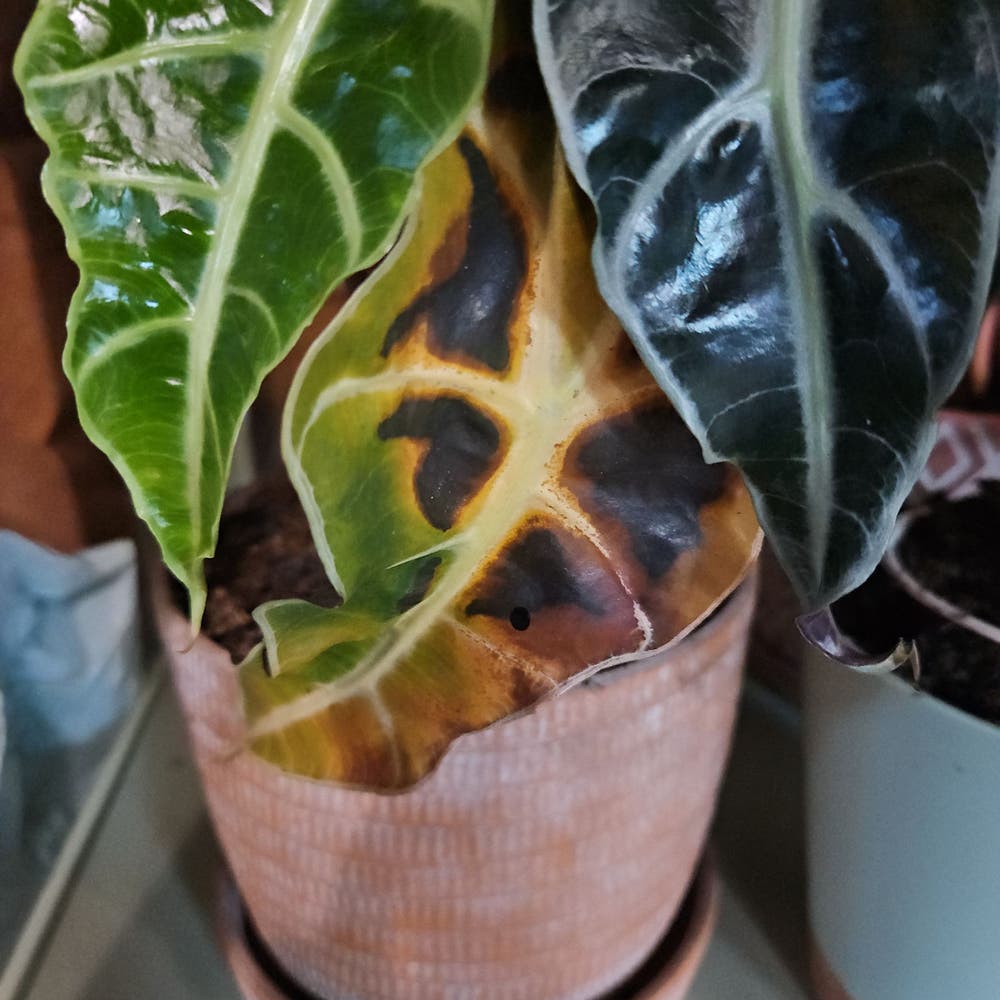
- Inspect for limp leaves or color loss, which may indicate stress, as per Source #5.
- Prune any dead or damaged foliage to redirect energy to healthy growth, aligning with the natural cycle (Source #11).
- Loosen compacted soil around the plant, adding organic matter if necessary, to rejuvenate the root environment (Source #21).
Ensuring Healthy Recovery
🌱 Promoting Post-Winter Growth
As the Italian Arum awakens from its winter dormancy, it's crucial to create an environment conducive to robust growth. Here's how to encourage a healthy recovery:
- Begin fertilizing as new growth appears, using a balanced fertilizer to support both foliage and flowers.
- Prune any dead or damaged parts from the winter to prevent disease and promote new growth.
- Gradually increase watering to match the plant's reviving needs, being mindful to avoid overwatering.
🌿 Transitioning Back Outdoors
When temperatures consistently rise, it's time to reintroduce your Italian Arum to the outdoors. Follow these steps to ensure a smooth transition:
- Wait until the threat of frost has passed and night temperatures are reliably above 50°F (10°C).
- Start by placing the plant in a shaded area to acclimate it to the outdoor environment.
- Over a week or two, gradually expose the plant to more sunlight to prevent shock and sunburn.
- Monitor the plant closely for the first few weeks outdoors, adjusting its location and care as needed to ensure a successful transition back into its natural growing conditions.
⚠️ Safety First
This content is for general information and may contain errors, omissions, or outdated details. It is not medical, veterinary advice, or an endorsement of therapeutic claims.
Always consult a qualified healthcare professional before using any plant as food, medicine, or supplement.
Never eat any plant (or feed one to pets) without confirming its identity with at least two trusted sources.
If you suspect poisoning, call Poison Control (800) 222-1222, the Pet Poison Helpline (800) 213-6680, or your local emergency service immediately.
Spotted an error? Please report it here.
Navigate your Italian Arum's winter dormancy with ease using Greg's season-specific care alerts ❄️, ensuring a healthy plant all year round.