Why Are My Italian Arum Leaves Droopy?
Arum italicum
By the Greg Editorial Team
Jun 18, 2024•5 min read
This article was created with the help of AI so we can cover more plants for you. May contain errors. See one? Report it here.
Rescue your Italian Arum from droopiness and restore its perkiness with expert tips 🌿💧!
- Over/underwatering causes droopiness, balance is key for Italian Arum health.
- Regular inspections and a care diary help detect and fix issues early.
- Bright light and proper humidity are essential to prevent droopy leaves.
Spotting the Trouble: Signs Your Italian Arum is Unhappy
🍂 Visual Cues: Droopy Leaves
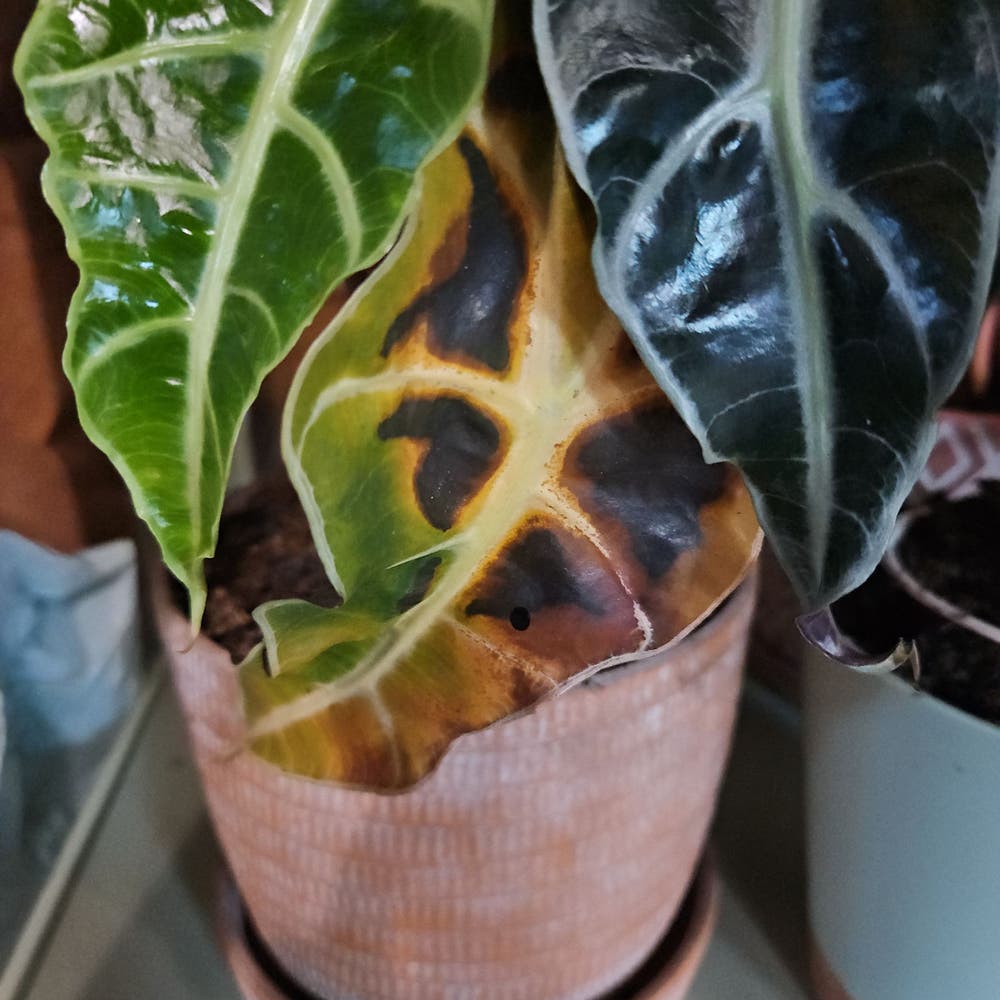
When your Italian Arum's leaves hang as if they've given up on life, take note. This classic sign of distress shouldn't be ignored. The leaves of Arum italicum, usually upright and glossy, will appear limp and lack their characteristic sheen.
🚦 Beyond the Droop: Other Symptoms
Yellowing leaves may indicate that your plant is crying out for help, possibly due to overwatering or a nutrient deficiency. If the leaves are sporting brown tips or edges, it's a hint that the air might be too dry for your Arum's liking. Keep an eye out for black or yellow spots—these could be a sign of a bacterial infection or too much direct sunlight.
🐜 Pests and Diseases: The Hidden Culprits
Don't forget to inspect both sides of the leaves; pests and diseases love to lurk out of sight. If you spot any puffiness or small black dots, it's time for some plant first aid.
🌿 Environmental Stress Signals
If the leaves are curling tighter than a fist or feel softer than a plush toy, your Italian Arum could be signaling a humidity crisis. Adjust your care routine to ensure the environment is just right for your plant's needs.
🚨 Early Detection: Your Best Defense
Prompt action is your best defense against these symptoms escalating into a full-blown plant health crisis. Regular inspections are key—think of it as a quick health check-up for your green friend.

The Usual Suspects: Pinpointing the Cause of Droopiness
💧 Too Much Love: The Perils of Overwatering Italian Arum
Italian Arum's droopiness often stems from overwatering. The plant's roots need to breathe, and too much water drowns them, leading to root rot. Soggy soil is a telltale sign; it should feel moist, not like a swamp. If the leaves are yellowing or the stems feel mushy, you've gone overboard with the watering can. A sniff test can also reveal if you're overdoing it—a foul odor is a distress signal from the soil.
How to Test for Overwatering and Take Immediate Action
To check for overwatering, stick your finger into the soil up to the second knuckle. If it feels wet, hold off on the H2O. For a more scientific approach, use a soil moisture meter. If overwatering is confirmed, cease watering and improve drainage. If root rot has set in, remove the affected roots and repot in fresh, well-draining soil.
🏜️ Thirsty Roots: When Underwatering Takes a Toll
Conversely, underwatering can leave Italian Arum parched and droopy. The leaves may appear wilted or crispy, signaling a desperate need for water. Dry, crumbly topsoil is a clear indicator that your plant is thirsting for moisture.
Quick Fixes to Rehydrate and Recover
When underwatering is the culprit, give your plant a thorough soak. Allow water to run through the pot until it drains out the bottom, ensuring the roots get the hydration they need. Then, let the soil dry out slightly before the next watering. Remember, it's about finding that sweet spot—moist, not drenched or bone-dry.

Turning Things Around: Rescue Tactics for Droopy Leaves
💧 Fine-Tuning Watering Habits
Italian Arum's watering needs are Goldilocks-esque: not too much, not too little, but just right. Overwatering can lead to root rot, while underwatering leaves your plant parched.
🌊 Establishing the Perfect Watering Rhythm for Italian Arum
Check the soil's top inch; if it's dry, it's time to water. Use room-temperature water to avoid shocking the roots. Consistency is key, but be adaptable to your plant's changing needs with the seasons.
🛠 Tools and Tricks for Keeping Soil Moisture Just Right
Consider a moisture meter for precision, or stick your finger in the soil for a quick test. A regular watering schedule helps, but always double-check soil moisture first.
🌿 Creating the Ideal Environment
Italian Arum thrives in conditions that mimic its native habitat. Bright light and proper humidity levels are crucial for perky leaves.
🌞 Adjusting Light and Temperature to Italian Arum's Liking
Place your plant less than one foot from a window for abundant light. Avoid temperature extremes; Italian Arum dislikes dramatic changes as much as we do.
💦 The Role of Humidity in Leaf Perkiness
If your home is drier than a humorist's delivery, it's time to up the ante on humidity. A pebble tray or humidifier can be a game-changer. Remember, Italian Arum isn't looking for a tropical rainforest, just a consistent moisture level in the air.

Keeping It Perky: Long-Term Strategies to Avoid Droopiness
🌱 The Right Foundation: Soil and pot choices for healthy roots
Well-draining soil is the Italian Arum's best friend. Go for a mix that's generous with perlite or vermiculite; think of it as creating a mini spa for the roots where they can breathe easy and avoid the dreaded root rot.
When it comes to pots, terracotta is your ally. It's like the breathable cotton of the plant world, allowing moisture to escape and roots to thrive. And never forget the cardinal rule: no drainage holes, no peace of mind.
👀 Vigilance and Care: Routine checks to keep droopiness at bay
Regular inspections are non-negotiable. Peek under the soil like a detective searching for clues. Are the roots white and firm, or do they look like overcooked noodles? Adjust your care accordingly.
Keeping a care diary might seem over the top, but it's the secret weapon against droopiness. Track your watering, the plant's response, and even the weather. It's like being a plant's personal biographer, and the story you're aiming for is one of perky triumph.
⚠️ Safety First
This content is for general information and may contain errors, omissions, or outdated details. It is not medical, veterinary advice, or an endorsement of therapeutic claims.
Always consult a qualified healthcare professional before using any plant as food, medicine, or supplement.
Never eat any plant (or feed one to pets) without confirming its identity with at least two trusted sources.
If you suspect poisoning, call Poison Control (800) 222-1222, the Pet Poison Helpline (800) 213-6680, or your local emergency service immediately.
Spotted an error? Please report it here.
Revive your Italian Arum by letting Greg tailor 🌱 a watering plan that prevents droopiness and promotes vibrant health, based on your home's unique environment.