How Should Italian Arum Be Cut Back?
Arum italicum
By the Greg Editorial Team
Jun 18, 2024•4 min read
This article was created with the help of AI so we can cover more plants for you. May contain errors. See one? Report it here.
Prune your way to a thriving Italian Arum display 🌿—learn the best times and techniques for garden perfection!
- Prune post-bloom in late spring or early summer for optimal health.
- Use sharp, sterilized tools for clean cuts and disease prevention.
- Balance health and aesthetics with careful thinning and shaping.
Best Time to Snip: When to Prune Italian Arum
🌱 Seasonal Timing for Healthy Cuts
Italian Arum, or Arum italicum, enters a period of dormancy after flowering, making post-bloom the prime window for pruning. This typically falls in late spring or early summer. Pruning during dormancy aligns with the plant's natural cycle, minimizing stress and promoting vigorous growth in the following season.
🔪 Gear Up: Choosing the Right Tools
Sharpness is king when it comes to pruning tools. Whether you opt for secateurs, snips, or shears, ensure they fit comfortably in your hand for precise cuts. Sterilization is not just for surgeons; clean your tools before and after use to prevent disease spread. A little alcohol or bleach solution goes a long way in keeping your Italian Arum healthy.

Making the Cut: Pruning Techniques for Italian Arum
🌱 Deadheading and Damage Control
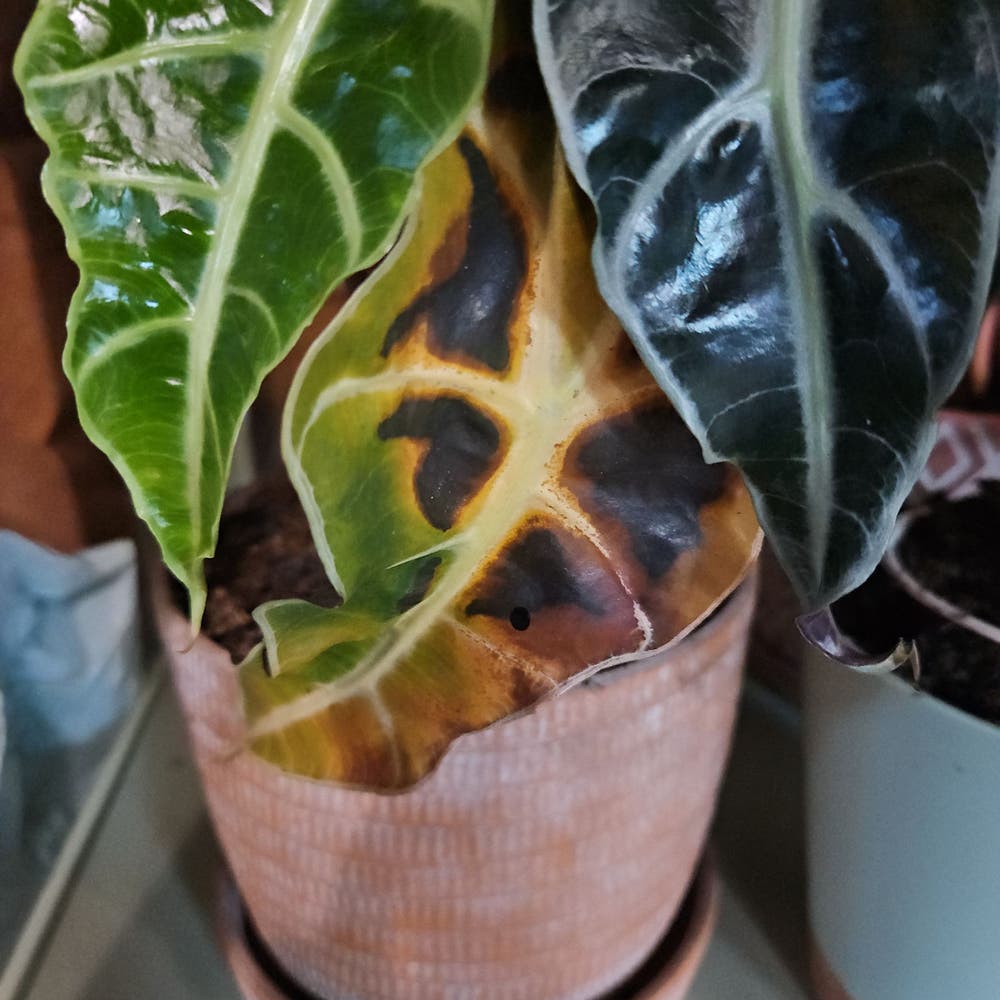
Dead or damaged foliage can be an eyesore and a health risk for your Italian Arum. Spot these unwelcome elements and snip them away promptly. Use precision pruners for clean cuts, ensuring you remove only the affected parts to avoid stressing the plant.
🌿 Thinning the Herd: Managing Overcrowding
Dense growth can suffocate your Arum's elegance. Thinning is your go-to move here. Strategically remove select leaves and stems to boost air circulation and light exposure, which in turn can enhance the plant's overall vitality.
🌾 Keeping Boundaries: Controlling Rhizome Spread
Italian Arum's rhizomes can be aggressive invaders. To keep them in check, excavate the perimeter of the plant and trim back any encroaching rhizomes. Dispose of these cuttings carefully to prevent unintended propagation.
✂️ Sculpting Beauty: Shaping Italian Arum
A well-shaped Arum is a work of art. Use bonsai shears for aesthetic pruning, creating a pleasing shape that complements your garden's design. Remember, less is more—overzealous cuts can lead to a less-than-lush display.

Pruning with Purpose: Tailoring Your Approach
🌿 Taming the Wild: Controlling Spread in Garden Beds
Italian Arum, known for its vigorous growth, can quickly become a garden bully. Regular monitoring and removal of new shoots will keep it in check. Digging out the plant, including tubers and surrounding soil, is essential to prevent regrowth. Dispose of all plant parts securely to avoid accidental propagation.
🌸 Showpiece Perfection: Landscaping with Italian Arum
For a landscape that turns heads, selective pruning is your friend. Trim damaged or discolored leaves to enhance the plant's natural beauty. Remember, a light touch often yields the most visually pleasing results. Step back frequently to assess and adjust.
🏺 Potted Elegance: Pruning Italian Arum in Containers
When Italian Arum is confined to a container, pruning becomes a balancing act. Keep the plant proportional to its pot by trimming overgrown shoots. Choose compact varieties to minimize the need for cuts and maintain a lush appearance without overcrowding the space.

Safety First: Avoiding Pruning Pitfalls
🚫 Recognizing Risks: What to Watch Out For
Pruning is like a dance with nature—one wrong step and you could be stepping on toes. To avoid a botanical faux pas, never prune during the plant's flowering cycle unless you want a garden devoid of blooms. Over-pruning is a common misstep; it's not a race to see how much you can cut. Think of it as a strategic game of chess, where every move counts.
Clean, sharp tools are non-negotiable. They're the difference between a clean cut and a jagged tear. And for Pete's sake, don't prune when the plant is wet. That's just asking for a fungal rave.
🌱 Aftercare: Ensuring Plant Recovery Post-Pruning
After you've played Edward Scissorhands, it's time to switch to Florence Nightingale. Water your plants with the precision of a ninja—too much and you risk rot, too little and they'll be gasping for moisture. Monitor the plant like it's the stock market after you've invested your life savings. Look for signs of distress or, hopefully, vigorous new growth.
Clear away the clippings as if they're evidence from a crime scene. Leaving them around is like sending an invite to every pathogen in the neighborhood. Remember, aftercare is where you ensure your plant doesn't just survive the trim, but comes back with a vengeance.
⚠️ Safety First
This content is for general information and may contain errors, omissions, or outdated details. It is not medical, veterinary advice, or an endorsement of therapeutic claims.
Always consult a qualified healthcare professional before using any plant as food, medicine, or supplement.
Never eat any plant (or feed one to pets) without confirming its identity with at least two trusted sources.
If you suspect poisoning, call Poison Control (800) 222-1222, the Pet Poison Helpline (800) 213-6680, or your local emergency service immediately.
Spotted an error? Please report it here.
Keep your Italian Arum looking sharp ✂️ with Greg's tailored reminders for the ideal pruning time and essential care tips for a healthy, well-managed garden.