8 Indoor Italian Arum Care Hacks
Arum italicum
By the Greg Editorial Team
Jul 23, 2024•7 min read
This article was created with the help of AI so we can cover more plants for you. May contain errors. See one? Report it here.
Nurture your Italian Arum to lush perfection with tailored indoor care tips 🌿💧.
- 🌿 Bright, indirect light is key for Italian Arum's health and even growth.
- 💧 Seasonal watering adjustments and 50% humidity maintain ideal conditions.
- 🌡️ Stable temperatures (65°F-75°F) and monthly fertilization promote thriving growth.
Optimal Lighting Strategies
Understanding Indoor Light Levels 🌿
Italian Arum thrives when it receives the right amount of light, which mimics its natural habitat. The goal is to find that sweet spot where the light is bright but indirect, avoiding the harsh midday sun that can scorch its leaves.
- Look for signs of distress, such as leggy growth or fading leaves, which suggest the need for better lighting.
- Rotate your plant regularly to promote even growth and prevent it from leaning towards the light source.
Supplementing with Grow Lights 💡
Sometimes, natural light just isn't enough, especially during the darker months. This is where grow lights come in handy, offering a consistent light source to keep your Italian Arum in top condition.
- Use LED grow lights for their efficiency and gentleness on plant foliage. Place them 12-24 inches from the plant to simulate the natural arc of sunlight.
- Consider grow lights with adjustable intensity and a full spectrum of light, including ultraviolet and far-red wavelengths, to support all stages of growth.
- Implement an automated light schedule with smart grow light systems to ensure your Italian Arum gets the optimal 12 to 14 hours of light without overdoing it.
Watering Essentials
💧 Watering Frequency and Techniques
Italian Arum's hydration needs are precise, requiring a careful balance to avoid the pitfalls of both over and under-watering. Here's how to get it right:
- Water once every week during spring and fall, ensuring the soil is moist but not soggy.
- In summer, increase watering frequency to counteract higher temperatures and light exposure.
- Winter calls for restraint; water sparingly, once every two to three weeks, as the plant enters dormancy.
- Check the top inch of soil for dryness to determine if it's time to water.
- Always use room-temperature water to prevent root shock.
🌦️ Seasonal Watering Adjustments
As the seasons change, so do the watering needs of your Italian Arum. Stay attuned to these shifts:
- During the growth spurts of spring and summer, young or recently transplanted Italian Arums may need more frequent watering.
- In contrast, reduce watering in the cooler, dormant winter months.
- Be mindful of your home's climate; arid environments might necessitate more water, while humid ones less.
- Always adjust your watering schedule based on the current season, temperature, and humidity levels.
Humidity Control
🌿 Ideal Humidity for Italian Arum
Italian Arum thrives in a humidity level around 50%, which mirrors its Mediterranean origins. This level keeps the plant hydrated without the risk of fungal issues that can arise in overly moist conditions.
🛠 Tools for Humidity Management
To maintain this ideal humidity, consider the following tools:
- Humidifiers: These devices are excellent for increasing air moisture, acting like a personal rain cloud for your Italian Arum.
- Hygrometers: Keep track of humidity levels with this gadget to ensure they stay within the desired range.
- Pebble Trays: Place a tray filled with water and pebbles beneath the plant pot; it's a simple yet effective way to boost humidity.
- Grouping Plants: Create a mini ecosystem by placing your Italian Arum near other plants; they'll naturally increase humidity through transpiration.
- Ventilation: Ensure good airflow around your plant to prevent stagnant air, which can lead to disease.
Remember, while maintaining humidity is crucial, balance is key. Too much moisture can be just as harmful as too little.
Temperature Preferences
🌡️ Ideal Indoor Temperatures
Italian Arum flourishes in a stable, warm environment reminiscent of its native Mediterranean habitat. To keep your plant healthy and stress-free, maintain indoor temperatures between 65°F and 75°F (18°C to 24°C). This range supports the plant's natural growth cycle and keeps its leaves vibrant and lush.
🌡️ Managing Temperature Fluctuations
To prevent temperature-related stress in your Italian Arum, avoid placing it near drafty windows or heating vents. Here are some strategies to keep the temperature consistent:
- Use curtains or blinds to shield your plant from direct sunlight, which can cause overheating.
- In winter, protect your plant from cold drafts with insulation techniques like bubble wrap or by relocating it to a warmer area.
- Monitor room temperature with a reliable thermostat, making small adjustments as needed to maintain the ideal range.
- Remember, sudden temperature changes are a no-go; gradual shifts are key to keeping your Italian Arum content.
Soil and Repotting
🌱 Choosing the Right Soil Mix
Italian Arum thrives in a soil mix that balances moisture retention with excellent drainage. To create this perfect environment:
- Start with a base of high-quality commercial potting soil.
- Mix in organic matter like coco coir to enhance soil structure and water retention.
- Add perlite or vermiculite to ensure the soil remains loose and well-aerated, preventing waterlogging.
🌿 Repotting Best Practices
Repotting gives Italian Arum a fresh start, but timing and technique are crucial:
- Repot in spring or early summer when the plant is in its growth phase.
- Choose a new pot that's slightly larger with ample drainage holes.
- Gently transfer the plant, being careful not to damage the roots.
- Fill in with the freshly mixed soil, ensuring the plant is secure but not compacted.
Fertilization for Growth
🌿 Nutrient Requirements
Italian Arum thrives when provided with the right balance of nutrients. Here's what you need to know to pick the perfect fertilizer:
- Opt for a balanced fertilizer, such as a 10-10-10 blend, which provides equal parts nitrogen, phosphorus, and potassium.
- During the active growth phase, typically spring and summer, your Italian Arum is stretching out and needs additional nutrients to support this growth.
- A slow-release fertilizer is ideal, as it provides a steady supply of nutrients over time, mimicking the natural uptake of plants in the wild.
- Be cautious with high nitrogen fertilizers; they can encourage foliage growth at the expense of the plant's overall health.
📅 Fertilization Schedule
Timing and consistency are key when it comes to fertilizing your Italian Arum:
- Fertilize monthly during the growing season, which is spring through summer.
- Reduce fertilization during the winter months when the plant's growth naturally slows down.
- If you repot your Italian Arum annually with fresh soil rich in organic matter, you may not need additional fertilization.
- Always follow the instructions on your fertilizer's packaging to avoid overfeeding, which can harm your plant.
Tackling Common Indoor Challenges
🐜 Pest Prevention and Control
Pests can be a real nuisance for indoor plants, including the Italian Arum. Prevention is key, so let's dive into some strategies to keep these unwelcome visitors at bay:
- Quarantine New Plants: Always isolate new plants for about a month to ensure they're not harboring pests.
- Regular Inspections: Check your Italian Arum frequently for signs of pests, especially under leaves and near stems.
- Cleanliness: Keep the plant area tidy and free of plant debris to discourage pest infestation.
- Proper Watering and Lighting: Maintain the right indoor light levels and watering schedule to prevent stress on the plant, which can attract pests.
- Natural Predators: Introduce beneficial insects like ladybugs or lacewings, if appropriate, to help control pest populations.
- Insecticidal Soaps and Horticultural Oils: Use these as a non-toxic option for controlling pests that have already made an appearance.
🦠 Disease Management
Diseases can be just as problematic as pests, but with the right approach, you can manage and prevent them effectively:
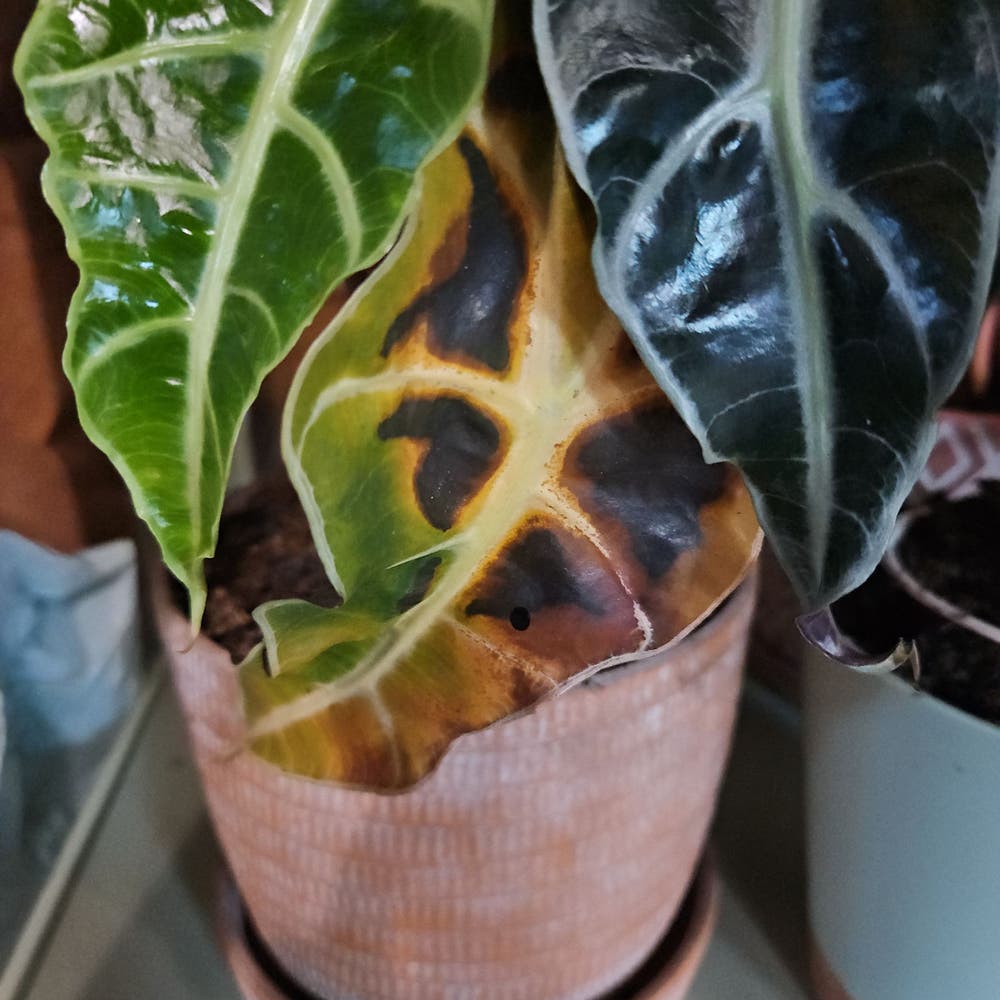
- Spot Check: Regularly examine your Italian Arum for early signs of disease, such as discolored leaves or unusual spots.
- Air Circulation: Ensure good airflow around your plants to reduce the risk of fungal diseases.
- Avoid Wet Leaves: Water your Italian Arum at the base to keep the leaves dry and less prone to fungal infections.
- Disinfect Tools: Always clean your pruning tools after each use to prevent the spread of disease.
- Fungicides: In some cases, a fungicide may be necessary. Choose a safe, appropriate option for indoor use and follow the instructions carefully.
Home Placement and Aesthetics
🌿 Selecting the Perfect Spot
- Assess the light conditions in your home; Italian Arum thrives in bright, indirect sunlight.
- Consider the room's aesthetics; choose a location that enhances the space and showcases the plant's elegance.
- Ensure there's enough room for the plant to grow without being cramped, keeping in mind its potential to reach a considerable size.
✂️ Pruning and Cleaning
- Regularly prune your Italian Arum to maintain its shape and remove any yellowing leaves.
- Clean the leaves with a soft, damp cloth to keep them dust-free and healthy, which also helps in pest prevention.
⚠️ Safety First
This content is for general information and may contain errors, omissions, or outdated details. It is not medical, veterinary advice, or an endorsement of therapeutic claims.
Always consult a qualified healthcare professional before using any plant as food, medicine, or supplement.
Never eat any plant (or feed one to pets) without confirming its identity with at least two trusted sources.
If you suspect poisoning, call Poison Control (800) 222-1222, the Pet Poison Helpline (800) 213-6680, or your local emergency service immediately.
Spotted an error? Please report it here.
Ensure your Italian Arum is the envy of plant enthusiasts by using Greg's personalized reminders 🌱 to nail the perfect watering schedule and light conditions from these 8 essential care hacks.