How Do I Cure Italian Arum Root Rot?
Arum italicum
By the Greg Editorial Team
Jun 18, 2024•3 min read
This article was created with the help of AI so we can cover more plants for you. May contain errors. See one? Report it here.
Rescue your Italian Arum from root rot's grip 🌿—spot, treat, and prevent with our life-saving guide!
- Yellow leaves and musty odor signal Italian Arum root rot.
- Trim affected roots and apply fungicide for immediate treatment.
- Well-draining soil and proper pot prevent future root rot.
Spotting the Red Flags: Diagnosing Root Rot in Italian Arum
🚩 Visual Symptoms to Watch For
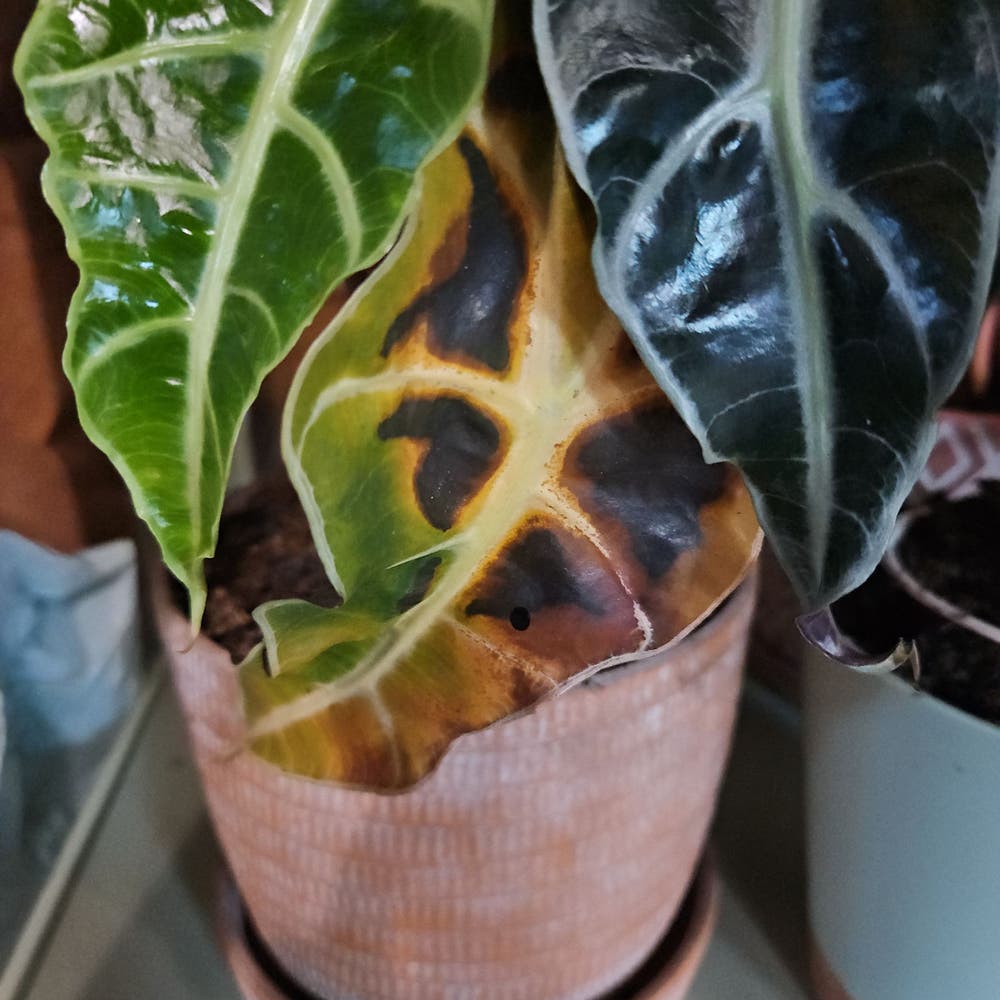
Yellowing leaves and wilting are your Italian Arum's way of waving a white flag. If the soil smells like it's fermenting, that's another distress signal. To confirm your suspicions, gently unearth the plant and inspect the roots. Healthy roots are firm and white or light tan; if they're squishy and dark, you've got trouble.
🕵️ Beyond the Surface
Sometimes, the signs aren't so in-your-face. A slowdown in growth or dark spots on leaves could be subtle hints of root rot. Don't be fooled by soil that seems dry on top; the real story is deeper down where moisture can lurk unseen. Trust your nose too—if there's a musty odor coming from the pot, it's time to investigate.

The Rescue Operation: Treating Italian Arum Root Rot
🚑 Immediate First Aid
When root rot rears its ugly head in your Italian Arum, it's time to roll up your sleeves. Act fast—the longer you wait, the more the plant suffers.
- Unpot the plant with care, like you're handling a fragile relic.
- Inspect the roots for the classic signs: mushiness, discoloration, and a smell that's off-putting.
- Rinse the roots gently under running water to banish any lingering soil that's clinging like a bad habit.
- Snip away the damaged roots with sterilized shears, as if you're editing a bloated paragraph.
🏥 Surgical Precision
Now, you're the plant's surgeon, and precision is key.
- Trim the rot with the meticulousness of a diamond cutter, ensuring you remove all the affected areas.
- Sterilize your tools after each cut—think of it as washing your hands in an operating room.
- Apply a fungicide with the same precision you'd use when applying a favorite hot sauce—enough to cover, but not drench.
- Avoid common fungicides if you're dealing with a small outbreak; sometimes less is more.
Remember, boldness in action can save your Italian Arum from the brink. Keep an eye on the patient post-op—vigilance is the guardian of recovery.

Building a Strong Defense: Preventing Future Root Rot
💧 Watering Wisdom
Italian Arum demands a watering schedule that's more like a well-timed symphony than a random jam session. To avoid the encore of root rot, let the soil's top layer dry out before bringing the waterworks. Tools like moisture meters or the good ol' finger test can keep you from drowning your green buddy in love.
🏗️ The Right Foundation
Choosing the right soil mix is like picking a tailored suit—it needs to fit just right. Mix in some perlite or vermiculite to store-bought potting soil for that well-draining, airy feel. Think of it as your plant's personal breathable fabric.
When it comes to pots, size and material matter. Too big, and you're swimming in wet soil; too small, and those roots are cramped. Go for a pot that's the Goldilocks fit—just right. And drainage holes? Non-negotiable. They're the escape route for excess water, so make sure your pot has them, or you're setting up a pool party for fungi.

⚠️ Safety First
This content is for general information and may contain errors, omissions, or outdated details. It is not medical, veterinary advice, or an endorsement of therapeutic claims.
Always consult a qualified healthcare professional before using any plant as food, medicine, or supplement.
Never eat any plant (or feed one to pets) without confirming its identity with at least two trusted sources.
If you suspect poisoning, call Poison Control (800) 222-1222, the Pet Poison Helpline (800) 213-6680, or your local emergency service immediately.
Spotted an error? Please report it here.
Avoid the dread of Italian Arum root rot by letting Greg schedule the perfect watering times ⏲ based on your unique plant and home environment.