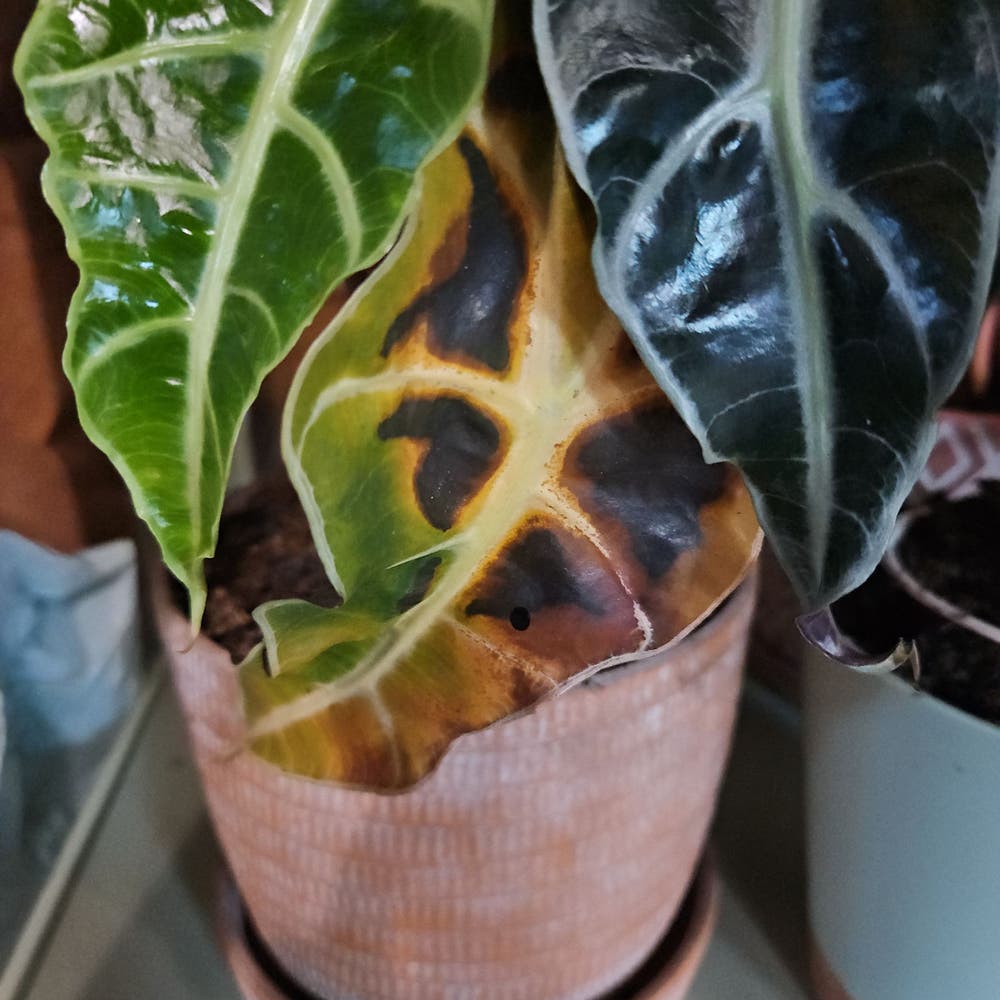
Why Are There Black Spots on My Italian Arum Leaves?
Arum italicum
By the Greg Editorial Team
Jun 18, 2024•3 min read
This article was created with the help of AI so we can cover more plants for you. May contain errors. See one? Report it here.
Eradicate black spots on your Italian Arum 🍃 and restore plant health with these proven tips!
- Fungi and bacteria cause black spots; dampness and humidity are culprits.
- Water at plant base and ensure airflow to prevent spotty invaders.
- Use fungicides or bactericides wisely; sanitation is crucial for prevention.
Spotting the Trouble: Recognizing Black Spots
🕵️ What They Look Like
Black spots on Italian Arum leaves are like uninvited guests at a garden party: unsightly and often a sign of trouble. These spots can range from tiny specks to larger blotches, sometimes surrounded by a yellowish halo. They may have concentric rings or feathery edges, which are telltale signs of a fungal fiesta happening right on your plant's leaves.
Where They Show Up
The black spots don’t play favorites; they can appear anywhere on the leaf. However, they have a notorious reputation for starting their shenanigans on the undersides of leaves, where they're less likely to be spotted by the casual observer. Keep an eye out for these troublemakers on both mature and young leaves, as they can affect the entire plant if left unchecked.

The Usual Suspects: Causes of Black Spots
🍄 Fungal Foes
Fungi are notorious for causing black spots on Italian Arum leaves, especially when they're throwing a pool party in the damp recesses of your garden. Cylindrocladium spathiphylli is one such uninvited guest, leaving behind brown lesions with yellow halos as its calling card. Overwatering or high humidity? That's practically sending out engraved invitations for these fungi to come and stay.
🦠 Bacterial Bullies
Bacteria, on the other hand, are the sneaky types that exploit any opportunity. Prolonged leaf wetness is like rolling out the red carpet for bacterial infections such as Pseudomonas leaf spot. These bullies leave behind black spots that can turn your plant's lush green into a polka-dotted mess. Remember, stagnant air and high humidity are their best friends, so keeping the air moving is like having a bouncer at the door of your plant's personal space.

Keeping It Clean: Prevention Tactics
💦 Water Wisely
Overwatering is like throwing a party for fungi, and you're not looking to host. Water at the base of your Italian Arum to avoid wetting the leaves. Early morning is the best time, giving any accidental splashes a chance to evaporate under the day's sun.
💨 Airflow is Your Friend
Cramped spaces are a no-go. Ensure your Italian Arum has room to breathe; think of it as personal space for plants. If you're growing indoors, a fan can help mimic a gentle breeze, disrupting any potential fungal fiestas.
🧼 Cleanliness is Key
A clean plant is a happy plant. Regularly wipe down leaves to remove dust and potential pests, like giving your Italian Arum a mini spa day. Sanitize your pruning tools before and after snipping to prevent spreading any unwanted microscopic guests. Remember, cleanliness isn't just about aesthetics; it's a solid line of defense.

Taking Action: Treatment Strategies
⚔️ When to Bring Out the Fungicides
Fungicides are the cavalry charging in when your Italian Arum is under siege by fungal foes. Timing is crucial; apply at the first sign of trouble. Rotate your fungicides to keep the enemy guessing and prevent resistance. Remember, it's not a one-size-fits-all; some plants may react poorly to certain chemicals. Always read the label—it's your roadmap to victory.
💣 Bacteria Battling
Bacteria are sneaky, but you're smarter. When they invade, consider bactericides or copper compounds as your arsenal. Like any good strategy, use them judiciously to avoid breeding superbugs. If the situation calls for it, antibiotics like streptomycin can be the special forces you need. But deploy them early in the infection cycle for a fighting chance.
Sanitation is your shield; keep your tools sterile and your garden debris-free. It's not just about fighting the battle; it's about preventing the war.
⚠️ Safety First
This content is for general information and may contain errors, omissions, or outdated details. It is not medical, veterinary advice, or an endorsement of therapeutic claims.
Always consult a qualified healthcare professional before using any plant as food, medicine, or supplement.
Never eat any plant (or feed one to pets) without confirming its identity with at least two trusted sources.
If you suspect poisoning, call Poison Control (800) 222-1222, the Pet Poison Helpline (800) 213-6680, or your local emergency service immediately.
Spotted an error? Please report it here.
Keep your Italian Arum thriving 🌿 with Greg's custom environmental monitoring and watering reminders, ensuring black spots are a thing of the past.