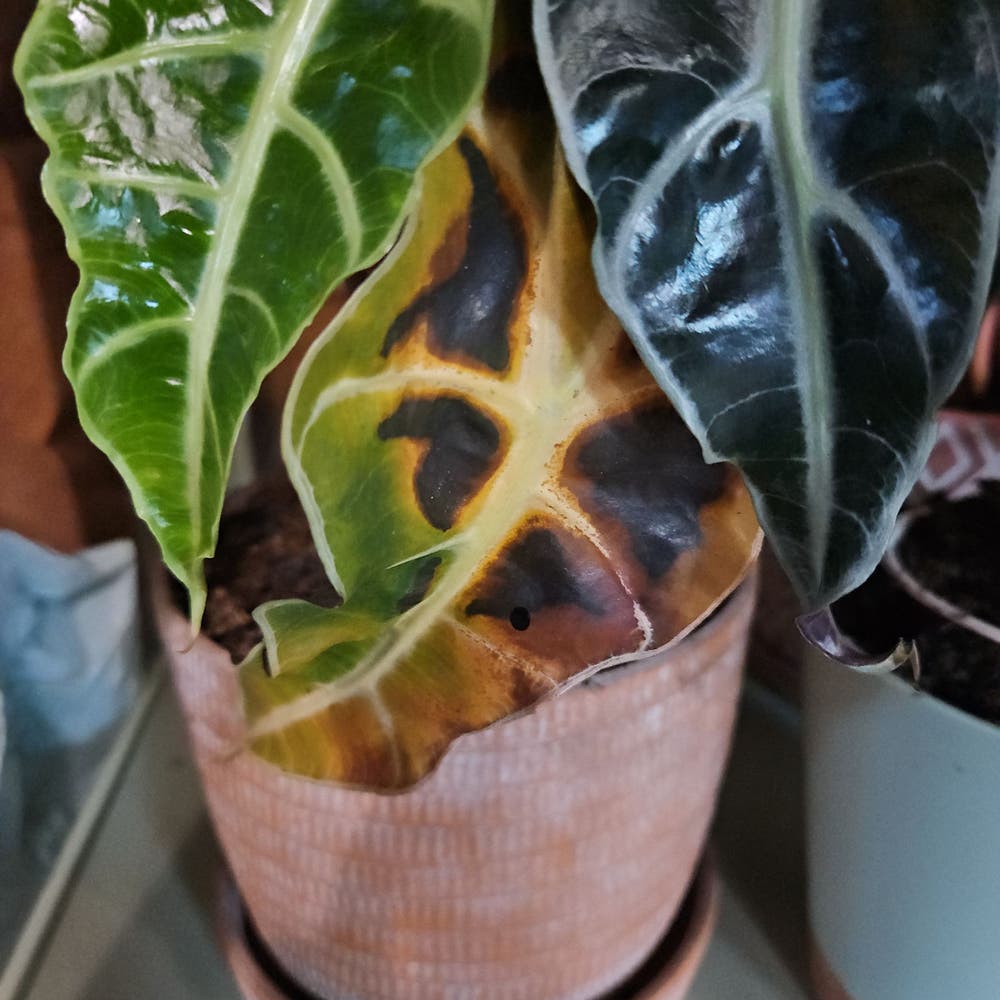
Why Are There Brown Spots on My Italian Arum?
Arum italicum
By the Greg Editorial Team
Jun 18, 2024•4 min read
This article was created with the help of AI so we can cover more plants for you. May contain errors. See one? Report it here.
Banish brown spots on your Italian Arum 🍂 and keep your leafy friends thriving with these expert tips!
- Brown spots aren't decoration, they signal fungal issues or sun scorch.
- 🍄 Use fungicide promptly when you spot the first signs of infection.
- 💧 Water wisely—touch test soil and adjust for perfect moisture levels.
Spotting Trouble: What Those Brown Marks Really Mean
🕵️ The Look of Trouble
- Variegation or villainy? Brown spots can masquerade as natural patterns, but they're often trouble in disguise.
- Location, location, location: Check the leaf tops and undersides; the spot's position can spill secrets about its cause.
🕵️ The Usual Suspects
- Fungal foes, sun scorch, and watering woes: the trifecta of trouble for your Italian Arum's leaves.

Fungal Foes: Tackling the Tiny Invaders
🍄 Spotting Fungal Culprits
Brown spots on your Italian Arum may be a red flag for fungal infections. Look for spots with yellow halos or a bull's-eye appearance. These are the calling cards of fungal invaders, not to be confused with the plant's natural variegation. Fungi thrive in moist environments and can turn your Arum's leaves into their personal canvas.
🦠 Kicking Fungi to the Curb
When fungi decide to throw a party on your plant, it's time to shut it down. Fungicides are your go-to bouncers, but timing is everything. Apply at the first sign of infection, following the label's instructions like a treasure map to plant health. Prevention is key, so keep those leaves dry and promote good airflow. A small fan can work wonders, creating a gentle breeze that tells fungi the gig is up. Remember, the goal is to prevent the fungal encore, not just to deal with the current performance.

Sun Scorch and Shade: Finding the Sweet Spot
🌞 Too Much Sun, Too Little Shade
Italian Arums are like the Goldilocks of the plant world; they need their sunlight just right. If your Arum's leaves sport brown, crispy edges, it's waving a flag for sunburn. This isn't a badge of honor—it's a cry for relief from the relentless sun.
🌿 Shifting to the Shade
Adjusting your plant's sun exposure is like tuning a guitar—necessary for the perfect harmony. Rotate your Arum to ensure even light distribution, and consider a spot that basks in gentle morning rays but is shielded from the harsh afternoon glare. If your Arum could talk, it'd thank you for not turning it into a leafy crisp.

Water Woes: Striking the Right Balance
💧 Over or Under? Reading the Leaves
Yellowing leaves and wilting could mean you're loving your Italian Arum a bit too hard with water. Conversely, if the leaves are as crispy as autumn leaves underfoot, it's parched. Check for mushy stems or a soil surface that's sprouting fungus like a bad science project—these are SOS signals from your plant.
💦 Fine-Tuning Your Watering Routine
Get your hands dirty—literally. The touch test is your go-to: if the top inch of soil feels like a dry desert, water your Arum. If it's damp like a sponge, hold off. Remember, your plant doesn't stick to a watering schedule any more than you stick to New Year's resolutions. Watch for brown spots; they're not just a fashion statement, they're a cry for help. Keep the watering can at bay until the soil is just right—not too wet, not too dry.
Proactive Plant Parenting: Preventing Brown Spots
🕵️♂️ Regular Check-Ups
Keeping your Italian Arum in tip-top shape requires vigilance. Think of routine leaf inspections as the dental hygiene of plant care—non-negotiable. With a damp cloth in hand, wipe away any potential problems and inspect for pests with the precision of a detective at a crime scene.
🌱 The Perfect Environment
The quest for the perfect environment for your Arum is like setting up a bespoke habitat. Soil quality is paramount; it should be well-draining yet rich, like a decadent but not overly indulgent dessert. Aim for humidity levels that make your plant feel like it's in a tropical paradise without the risk of monsoon season—40-60% is your sweet spot. And when it comes to plant neighbors, think of it as a friendly neighborhood; companion plants should be non-invasive and supportive, not the kind that throw wild parties and invite pests.
⚠️ Safety First
This content is for general information and may contain errors, omissions, or outdated details. It is not medical, veterinary advice, or an endorsement of therapeutic claims.
Always consult a qualified healthcare professional before using any plant as food, medicine, or supplement.
Never eat any plant (or feed one to pets) without confirming its identity with at least two trusted sources.
If you suspect poisoning, call Poison Control (800) 222-1222, the Pet Poison Helpline (800) 213-6680, or your local emergency service immediately.
Spotted an error? Please report it here.
Keep your Italian Arum thriving 🌿 with Greg's personalized care reminders, ensuring just the right water and shade to prevent those pesky brown spots.