🌺 Everything You Need to Know About Italian Lords-and-Ladies
Arum italicum
By the Greg Editorial Team
Feb 02, 2025•10 min read
This article was created with the help of AI so we can cover more plants for you. May contain errors. See one? Report it here.
Elevate your garden's beauty 🌿 with Italian Lords-and-Ladies—master their care for a thriving, vibrant space! 🌱
- 🌱 Italian Lords-and-Ladies thrive in moist, shaded areas; choose planting locations wisely.
- ⚠️ All parts are toxic to humans and pets; handle with care to avoid symptoms.
- 🌿 Regular care including watering, pruning, and pest control ensures healthy growth.
How to Grow
Choosing a Location 🌳
To thrive, Italian Lords-and-Ladies prefer moist, shaded areas, ideally with partial to full shade. Whether you're planting outdoors or in containers, ensure the location meets these moisture and light requirements for optimal growth.
Soil Preparation 🏞️
The right soil is crucial for healthy plants. Aim for well-drained soil enriched with organic matter, and maintain a soil pH between 6.0 and 7.0 for the best results.
Planting Techniques 🌱
Timing is everything when it comes to planting. The best times to plant are early spring or fall, and when you do, make sure to plant rhizomes at a depth of 2-3 inches.
Watering Requirements 💧
Consistency is key in watering. Keep the soil evenly moist, but avoid waterlogging; watch for signs of overwatering, like yellowing leaves, or underwatering, which can cause wilting.
Fertilizing Schedule 🌼
Fertilization should be straightforward. Apply a balanced fertilizer once in early spring, and consider both organic and synthetic options based on your gardening philosophy.
Pruning and Ongoing Care ✂️
Regular maintenance keeps your plants healthy. Prune away any dead or damaged leaves, and don’t forget to mulch and monitor for pests throughout the growing season to ensure your plants flourish.
By following these guidelines, you’ll set your Italian Lords-and-Ladies up for success, leading to a vibrant and thriving garden. Next, let’s explore how to propagate these beautiful plants for even more greenery!
Propagation
Seed Propagation 🌱
Spring is the ideal time for seed propagation of Italian Lords-and-Ladies. These seeds thrive in a warm, moist environment, which is crucial for successful germination.
Division of Rhizomes ✂️
Dividing rhizomes is best done every 3-4 years, ideally in early spring or fall. To divide, carefully separate the rhizomes and replant them, ensuring each section has healthy roots.
Offsets and Bulb Propagation 🪴
Offsets are small bulbs that appear around the main plant. When planting offsets, ensure they are set at a similar depth to the parent plant for optimal growth.
This propagation knowledge sets the stage for understanding the lifecycle of Italian Lords-and-Ladies, which we'll explore next.
Lifecycle
Life Cycle Stages 🌱
Italian Lords-and-Ladies is a perennial plant, meaning it returns year after year. This resilience allows it to thrive in various conditions, making it a favorite among gardeners.
Germination is a crucial phase, typically taking 2-4 weeks under optimal conditions. During this time, seeds absorb moisture and begin to sprout, setting the stage for future growth.
Growth Phases 🌿
The growth of Italian Lords-and-Ladies can be divided into several distinct phases.
Seedling Development: After germination, seedlings emerge and establish roots. This stage is vital for building a strong foundation.
Vegetative Growth: As the plant matures, it focuses on growing leaves and stems. This phase is essential for photosynthesis and overall health.
Flowering: Once the plant is robust, it enters the flowering stage. This is when it showcases its unique blooms, attracting pollinators and adding beauty to your garden.
Seed Production: After flowering, the plant produces seeds, completing its life cycle. These seeds can be collected for propagation, ensuring the legacy of your Italian Lords-and-Ladies continues.
Understanding these stages helps you provide the right care at each point in the lifecycle. This knowledge not only enhances your gardening skills but also deepens your appreciation for this remarkable plant.
Roots
Root System Characteristics 🌱
Italian Lords-and-Ladies feature a rhizomatous root system, which allows them to spread and store essential nutrients. Typically, their roots grow to a depth of 6-12 inches but can extend several feet horizontally, providing stability and access to moisture.
Common Root-Related Issues ⚠️
One common issue is root rot, often caused by overwatering or poorly drained soil. To prevent this, ensure your plants are in well-draining soil and monitor moisture levels closely.
Identifying healthy roots is crucial for plant health. Firm, white roots indicate vitality, while mushy, brown roots signal trouble. If you notice these unhealthy roots, it's time to take action.
Another concern is rootbound plants, which occur when roots grow too densely within their container. Symptoms include stunted growth and roots emerging from drainage holes. If you suspect rootbound conditions, consider repotting to give your plant room to thrive.
Understanding these root characteristics and issues will help you maintain healthy Italian Lords-and-Ladies, ensuring they flourish in your garden. Next, let’s explore the benefits these plants bring to your landscape.
Benefits
Top 5 Benefits 🌟
Italian Lords-and-Ladies are not just visually stunning; they bring a wealth of benefits to any garden. Their unique foliage and striking flower structure can elevate your garden design, making it a focal point of beauty.
Another significant advantage is their role in attracting beneficial insects. These plants support pollinators and other helpful insects, contributing to a thriving ecosystem in your garden.
Additionally, Italian Lords-and-Ladies improve soil health by adding organic matter. This enrichment fosters a more robust growing environment for all your plants.
Culturally, these plants hold historical significance in Italian traditions. They symbolize various aspects of Italian culture, adding depth and meaning to your garden.
Lastly, they have medicinal uses rooted in herbal medicine. Many traditional remedies utilize parts of the plant, showcasing its versatility beyond mere aesthetics.
With these benefits, Italian Lords-and-Ladies are a fantastic choice for any gardener looking to enhance their space. Next, let’s explore the best companion plants that thrive alongside them.
Companion Plants
Best Companions 🌿
When growing Italian Lords-and-Ladies, consider pairing them with shade-loving plants like hostas and ferns. These companions thrive in similar conditions, making care easier and enhancing the overall aesthetic of your garden.
Both hostas and ferns share moisture and light requirements, which helps in pest management. This compatibility creates a harmonious environment, allowing all plants to flourish together.
Plants to Avoid 🚫
While some plants make great companions, others can be detrimental. Avoid planting species that compete for resources, as they can hinder the growth of your Italian Lords-and-Ladies.
Plants that require full sun or have aggressive root systems may overshadow or outcompete your Italian Lords-and-Ladies. Keeping these factors in mind will ensure a thriving garden ecosystem.
With the right companions, your Italian Lords-and-Ladies can truly shine, creating a lush and inviting space. Next, let’s explore the potential toxicity of this fascinating plant to humans and pets.
Toxicity to Humans
Toxic Parts 🌿
Italian Lords-and-Ladies can be beautiful additions to your garden, but they come with a warning. The leaves, berries, and roots contain calcium oxalate crystals, which are toxic if ingested.
Symptoms of Toxicity 🤢
If someone consumes any part of this plant, they may experience nausea, vomiting, diarrhea, and abdominal pain. It's crucial to recognize these symptoms early to ensure prompt treatment.
Exposure Risks ⚠️
The primary routes of exposure are ingestion and skin contact. Always be cautious when handling these plants, especially around children and pets.
When to Seek Medical Care 🚑
If you suspect exposure, it's essential to seek medical care immediately. Quick action can make a significant difference in outcomes, so don’t hesitate to reach out for help.
Understanding the toxicity of Italian Lords-and-Ladies is vital for safe gardening. Next, let's explore how to protect your pets from potential hazards associated with this plant.
Toxicity to Dogs
Toxic Parts 🐶
Italian Lords-and-Ladies can be harmful to dogs, particularly their leaves and berries. If ingested, these parts can lead to symptoms like drooling, vomiting, diarrhea, and weakness.
Exposure Risks ⚠️
Dogs may encounter toxicity through ingestion or contact with the plant's sap. If you suspect your dog has consumed any part of this plant, seeking veterinary care immediately is crucial to ensure their safety and well-being.
Toxicity to Cats
Toxic Parts 🐱
Italian Lords-and-Ladies can pose a risk to our feline friends. The leaves and berries of this plant contain toxic compounds that can lead to serious health issues if ingested.
Symptoms of Poisoning 🤢
If a cat consumes any part of this plant, watch for symptoms such as drooling, vomiting, diarrhea, and weakness. These signs indicate that immediate action is necessary.
Exposure Risks ⚠️
Cats may be exposed to the plant through ingestion or even contact with its sap. It's crucial to monitor your pets and prevent them from nibbling on these toxic parts.
Importance of Veterinary Care 🏥
If you suspect your cat has ingested Italian Lords-and-Ladies, seek veterinary care right away. Quick intervention can make a significant difference in your pet's recovery.
Understanding the risks associated with this plant helps keep our furry companions safe. Always be vigilant about what plants are accessible to your pets, especially those that can be harmful.
Problems
Common Issues 🌱
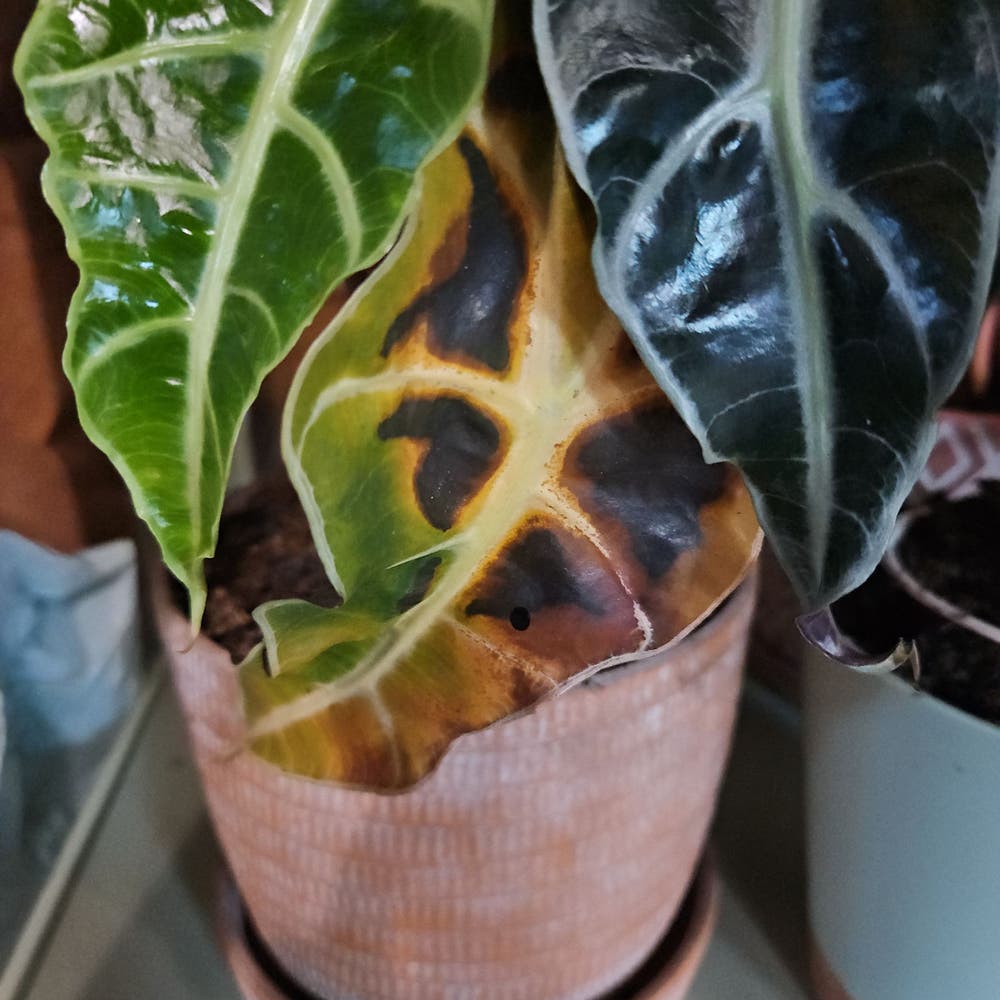
Growing Italian Lords-and-Ladies can be rewarding, but it’s essential to recognize when something isn’t right. Symptoms of unhealthy plants include wilting, discoloration, and stunted growth, which can signal underlying issues.
Top 5 Common Problems 🥴
Incorrect Watering: Overwatering or underwatering can lead to serious problems. Ensure the soil remains consistently moist but not soggy.
Light Conditions: These plants thrive in partial to full shade. Too much direct sunlight can scorch their leaves, while too little can hinder growth.
Diseases: Fungal infections can affect the health of your plants. Keep an eye out for unusual spots or mold on leaves.
Root Problems: Root rot is a common issue, often caused by poor drainage. Healthy roots should be firm and white, not mushy or brown.
Leaf Issues: Discoloration or curling leaves can indicate nutrient deficiencies or pest infestations. Regularly inspect your plants to catch these signs early.
By staying vigilant and addressing these common problems, you can ensure your Italian Lords-and-Ladies thrive in your garden. Next, let’s explore the fascinating world of pests that may threaten your plants.
Bugs
🐛 Potential Pest Issues
Italian Lords-and-Ladies are generally resilient plants, but they can still fall prey to specific pests. Common culprits include spider mites, aphids, mealybugs, and whiteflies, each bringing their own set of challenges.
⚔️ Damage and Treatment
Infestations can manifest through noticeable leaf damage and stunted growth, which can be alarming. To combat these pests, consider both organic and chemical control methods, tailoring your approach based on the severity of the problem.
Organic Control Methods
- Neem Oil: A natural pesticide that disrupts pest life cycles.
- Insecticidal Soap: Effective against soft-bodied insects like aphids and mealybugs.
- Companion Planting: Introduce plants that repel pests naturally.
Chemical Control Methods
- Systemic Insecticides: These are absorbed by the plant, targeting pests that feed on it.
- Contact Sprays: Directly applied to pests for immediate results.
🔍 Monitoring and Prevention
Regularly inspect your plants for early signs of pest activity. Catching infestations early can save you a lot of trouble down the line.
🏁 Conclusion
By understanding potential pest issues and employing effective treatment options, you can keep your Italian Lords-and-Ladies thriving. Next, let’s explore what eats these plants and how to protect them from herbivores.
What Eats
Common Herbivores 🐇
Italian Lords-and-Ladies can attract a variety of herbivores that may cause damage to your plants. Common culprits include deer, rabbits, squirrels, and rodents, all of which can munch on leaves and stems, leading to unsightly damage.
To identify their presence, look for tracks, droppings, or visible signs of nibbling on your plants. These indicators can help you determine which pests are visiting your garden.
Deterrent Methods 🚫
Protecting your Italian Lords-and-Ladies from herbivores can be achieved through various methods. Chemical deterrents, such as sprays designed to repel animals, can be effective but should be used with caution to avoid harming beneficial insects.
Alternatively, organic methods like planting companion plants that herbivores dislike or using physical barriers such as fencing can provide a more natural solution. These strategies not only safeguard your plants but also promote a healthier garden ecosystem.
⚠️ Safety First
This content is for general information and may contain errors, omissions, or outdated details. It is not medical, veterinary advice, or an endorsement of therapeutic claims.
Always consult a qualified healthcare professional before using any plant as food, medicine, or supplement.
Never eat any plant (or feed one to pets) without confirming its identity with at least two trusted sources.
If you suspect poisoning, call Poison Control (800) 222-1222, the Pet Poison Helpline (800) 213-6680, or your local emergency service immediately.
Spotted an error? Please report it here.
Cultivate your Italian Lords-and-Ladies with confidence 🌱 by using Greg's personalized care tips and watering reminders to ensure they thrive in your garden!