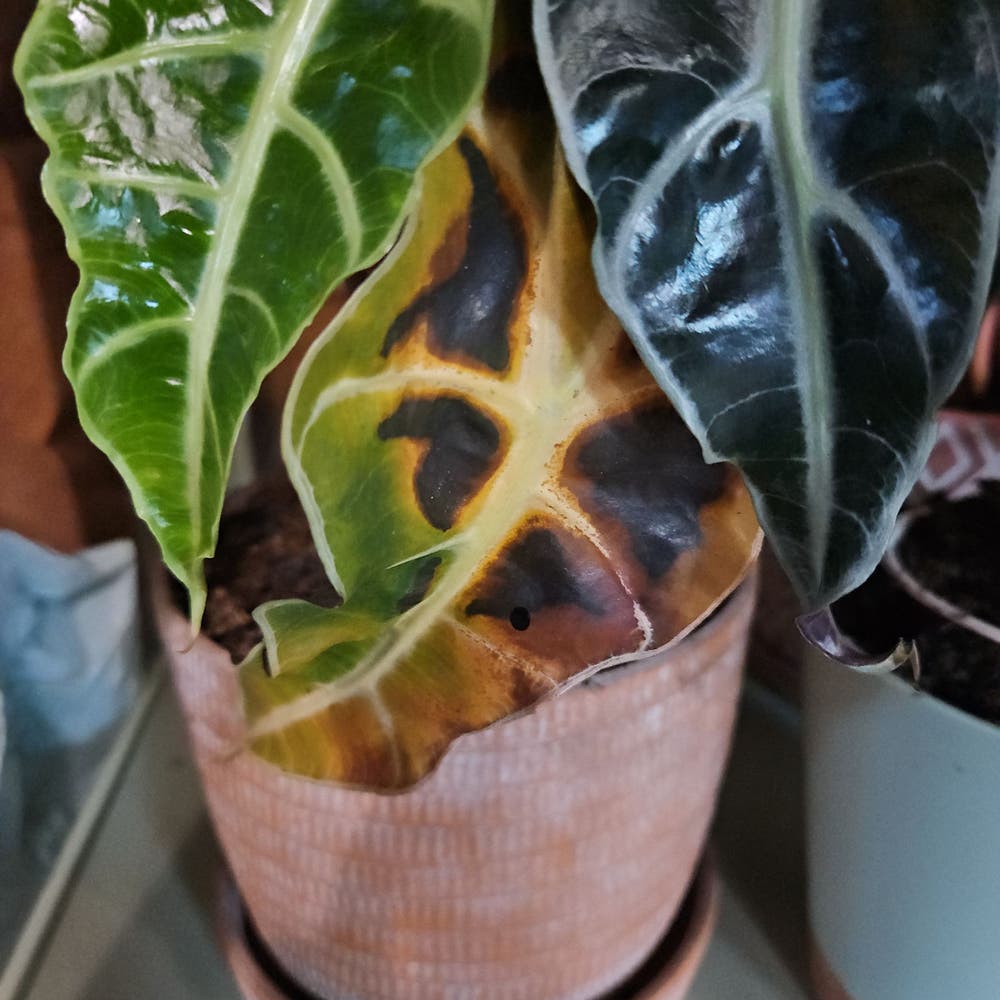
What Should I Do When Italian Arum Leaves Turn Yellow?
Arum italicum
By the Greg Editorial Team
Jun 18, 2024•5 min read
This article was created with the help of AI so we can cover more plants for you. May contain errors. See one? Report it here.
Turn your Italian Arum's frown 🍂 upside down with expert tips for lush, green vitality!
- 🌱 Nutrient deficiencies cause yellowing; soil tests guide fertilizer use.
- 💧 Overwatering leads to yellow leaves; check soil moisture before watering.
- 🐛 Pests and diseases can yellow leaves; inspect and treat promptly.
Spotting Trouble: Why Leaves Go Yellow
🌿 Nutrient Shortfalls
🕵️ The Usual Suspects: Nitrogen, Iron, and Magnesium
Yellow leaves can be the plant's version of a hunger pang. Nitrogen deficiency often hits older leaves first, turning them a sorrowful shade of yellow while new growth comes in pale. Lack of iron is a bit of a backstabber, targeting the young leaves. And when magnesium is missing, older leaves start to yellow between the veins—like a reverse suntan.
Reading the Leaves: What they're telling you about their diet
Leaves don't lie; they're like nature's billboards for plant health. A balanced fertilizer can often solve your nutrient noir, but don't just throw it at the problem—overzealous feeding leads to the dreaded white crust of nutrient excess. If you're seeing more yellow than a school bus, it's time for a soil test.
🌊 Too Much Love: The Perils of Overwatering
💦 Soggy Situations: How to tell if you're drowning your Arum
Wilting and yellow leaves might be crying out "Water me!" but they could also be gasping "I'm drowning!" Check the soil: if it's wetter than a gossip's tongue, you need to cut back on the H2O.
Drainage Drama: Fixing waterlogged soil for happier roots
If your Arum's feet are more waterlogged than a swamp, it's time to rethink your pot's drainage. A soil that's too clingy can suffocate roots, leading to a plant that's more limp than a forgotten salad.
🐜 Unwanted Guests: Pests and Diseases
🐛 Bug Battles: Identifying and evicting pests
Pests are like uninvited party crashers; they show up, eat all your food, and leave a mess. Keep an eye out for the telltale signs of these freeloaders—holes in leaves, sticky residue, or the bugs themselves.
Sickly Symptoms: Recognizing diseases before they take hold
Diseases can turn your Arum's leaves yellow faster than a banana left in the sun. Black spots, mold, or mildew are the plant's version of a bad cold. Don't wait until your plant is on its last leaf—act fast to show these diseases the door.

Turning Over a New Leaf: Fixing Yellowing
🌱 Feeding Your Plant Right
💧 pH Power
Soil pH is a big deal for nutrient uptake. If it's off, your Italian Arum might as well be eating with its hands tied. Grab a soil test kit and aim for slightly acidic to neutral ground. Adjust with sulfur to lower pH or lime to raise it, like tuning a guitar until it hits that sweet note.
🌿 Fertilizer Fixes
Balanced fertilizer is your Arum's best friend. Overdoing it is like binge eating junk food—bad news. Stick to a gentle, regular feeding schedule. Remember, less is more, and always water your plant before and after fertilizing to prevent root burn.
💦 Water Wisdom
💧 Watering Woes
Finding the hydration sweet spot is key. Use a water meter or your finger to test the soil moisture. The top inch should be dry before you water again. Think of it as the plant's thirst meter—only give it a drink when it's showing a clear need.
💧 Quality Quenches
Water quality matters. Tap water can be a cocktail of chemicals that don't sit well with your Arum. If your tap is high in salts or chlorine, consider filtered or rainwater. It's like choosing spring water over soda for your health.
🦟 Keeping Critters at Bay
🐜 Pest Patrol
Pests are party crashers. Inspect regularly for freeloaders like aphids and spider mites. If you spot them, show them the door with insecticidal soap or neem oil. It's like having a bouncer for your plant's personal space.
🦠 Disease Defense
Prevention beats cure. Keep an eye out for funky fungi or viral villains causing yellow leaves. Improve air circulation, avoid wetting the foliage, and keep the soil well-drained. It's the plant equivalent of washing your hands—basic but effective hygiene.

Staying Green: Preventing Yellow Leaves
🌞 The Right Spot: Light and Temperature Tips
Italian Arum thrives when it's basking in the perfect balance of sunshine and shade. Too much direct sunlight can lead to a yellowing, sunburned plant, while too little leaves it languishing in the shadows. Aim for a spot that offers bright, indirect light. Think of it as the plant's personal retreat – enough light to keep it happy without the scorch.
Temperature plays a crucial role too. These plants enjoy stability, so keep them away from the drama of sudden temperature changes. Drafts, heating vents, and cold snaps are the nemeses of Italian Arum. Indoors, maintain a comfortable room temperature, between 65°F and 75°F (18°C-24°C). If you're growing it outside, be ready to play hero with some temporary cover when the weather decides to throw a tantrum.
💨 Breathe Easy: Air Circulation and Plant Health
Your Italian Arum isn't asking for a wind tunnel, but it does appreciate a gentle breeze. Good air circulation helps in preventing the dreaded yellow leaves by keeping the air around it moving, which in turn reduces the risk of fungal infections and rot. It's like giving your plant a breath of fresh air – literally.
Keep an eye out for mold and mildew; these fungal foes love stagnant air and high humidity. To prevent these unwelcome guests, make sure your plant's environment isn't too humid. Aim for that sweet spot of humidity – not too dry, not too damp. It's a bit like finding the perfect level of crunch in your toast – satisfyingly precise. Remember, good air circulation is the secret handshake to keeping your Italian Arum's leaves green and envy-inducing.

⚠️ Safety First
This content is for general information and may contain errors, omissions, or outdated details. It is not medical, veterinary advice, or an endorsement of therapeutic claims.
Always consult a qualified healthcare professional before using any plant as food, medicine, or supplement.
Never eat any plant (or feed one to pets) without confirming its identity with at least two trusted sources.
If you suspect poisoning, call Poison Control (800) 222-1222, the Pet Poison Helpline (800) 213-6680, or your local emergency service immediately.
Spotted an error? Please report it here.
Nurture your Italian Arum back to vibrant health with personalized care 🌿 from Greg, ensuring you're equipped to tackle yellow leaves with precision and community support!