How to Fertilize Your Italian Arum
Arum italicum
By the Greg Editorial Team
Jun 18, 2024•5 min read
This article was created with the help of AI so we can cover more plants for you. May contain errors. See one? Report it here.
Nourish your Italian Arum to full bloom 🌺 with the perfect fertilizer balance, thanks to our pro tips.
- Balanced N-P-K ratio is key for Italian Arum's growth and blooms.
- Organic vs. Synthetic: Choose based on nutrient release speed and soil health.
- Seasonal fertilization: Spring start, summer sustain, fall-winter rest.
Choosing the Right Fertilizer for Your Italian Arum
🌱 Organic vs. Synthetic: Tailoring to Italian Arum's Preferences
Italian Arum, with its lush foliage and striking flowers, demands a balanced diet. Organic fertilizers are like a slow-release energy bar, packed with nutrients and beneficial microbes that improve soil health over time. Synthetic options, on the other hand, are the espresso shot of the plant world—fast-acting and potent. But beware, the latter can lead to nutrient overload if not used sparingly.
📊 Understanding N-P-K Ratios for Optimal Growth and Flowering
The N-P-K ratio on fertilizers is not just a random string of numbers; it's the secret code to your plant's happiness. Nitrogen (N) is all about those green leaves, Phosphorus (P) focuses on the roots and blooms, and Potassium (K) is the plant's personal trainer, keeping it fit and healthy. A balanced 10-10-10 ratio is often recommended, but always tailor it to your plant's specific needs.
🌿 The Role of Micronutrients in Italian Arum's Health
Micronutrients might not get the limelight, but they're the unsung heroes in your Italian Arum's life story. They're like the vitamins in a multivitamin—small but mighty. Ensure your fertilizer choice includes these tiny treasures to prevent any dramatic deficiency tales.

Timing is Everything: When to Fertilize Italian Arum
🌱 Spring Awakening: Kickstarting Growth
Spring marks the return of vitality for the Italian Arum, as it emerges from its winter slumber. This is the time to initiate fertilization, coinciding with the natural growth spurt of the plant. A balanced fertilizer can be introduced to support this new growth phase.
☀️ Summer Care: Sustaining Vigor During Peak Season
During the summer, the Italian Arum is in full swing, basking in the glory of the sun. It's crucial to maintain a consistent fertilization schedule to sustain its lush foliage and prepare for blooming. Monitor the plant's response to ensure it's not craving more nutrients or suffering from excess.
🍂 Preparing for Dormancy: Fall and Winter Considerations
As autumn approaches, the Italian Arum starts to wind down. Ease off on fertilizing as the plant prepares for dormancy. In winter, fertilization should be halted entirely, giving the Arum a well-deserved rest and preventing unnecessary nutrient accumulation in the soil.

Fertilizing Italian Arum Like a Pro
💡 Dosage and Frequency: How Much and How Often
Italian Arum's nutrient needs are modest. Repotting annually with fresh soil typically suffices, as new soil replenishes essential nutrients. If you opt to fertilize, do so sparingly. A balanced fertilizer—think 5-10-5—used semi-annually should cover it. Overdoing it? Not on our watch. Stick to the manufacturer's guidelines for quantities, and always err on the side of less is more.
🌱 Application Techniques: Ensuring Even Distribution and Absorption
For potted plants, mix fertilizer into water for even distribution. This method helps prevent root burn and ensures nutrients reach all parts of the plant. In the garden, a top-dressing approach works well, lightly incorporating fertilizer into the soil around the plant. Remember, Italian Arum thrives in well-draining soil, so ensure any added nutrients don't lead to water retention and root issues.
🚨 Recognizing Signs of Over-Fertilization and How to Mitigate It
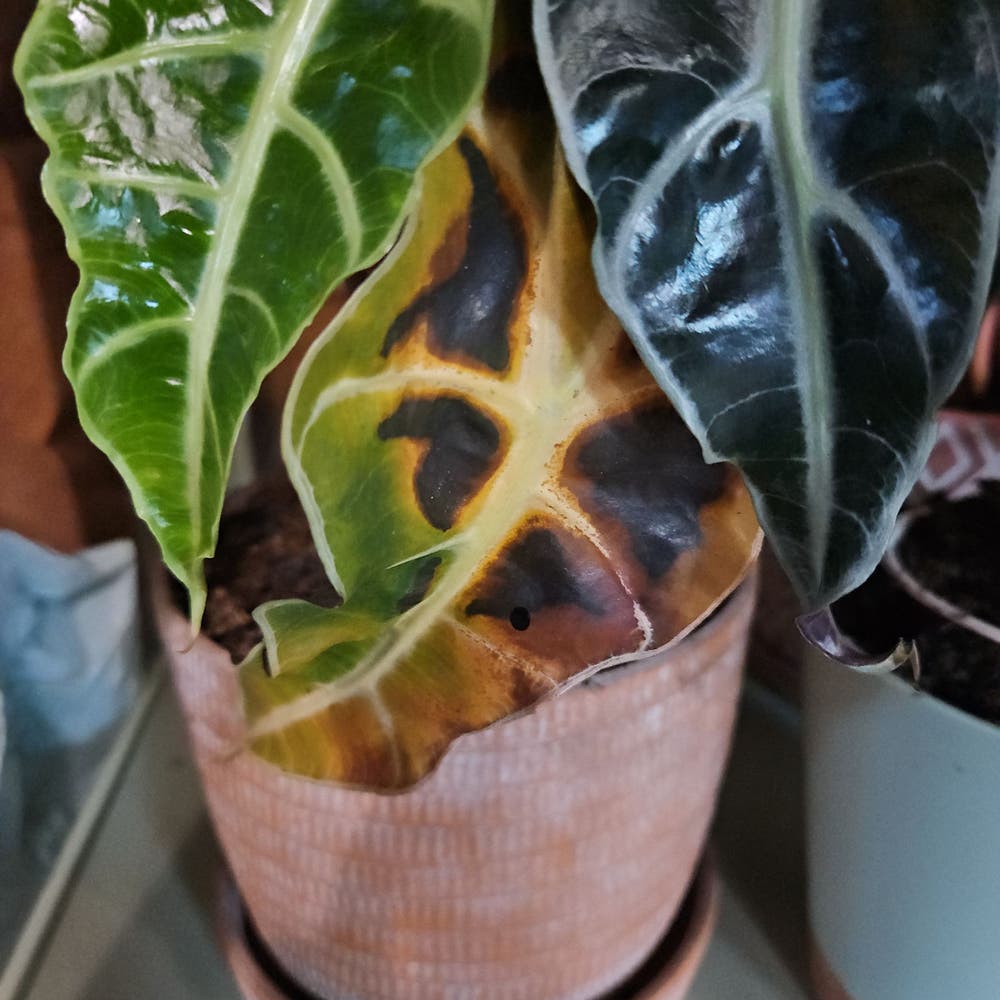
Yellowing leaves? Slow growth? You might be dealing with over-fertilization. If you suspect nutrient overload, flush the soil with water to dilute the excess fertilizer. Going forward, cut back on the amount and frequency. Keep in mind, Italian Arum is more about that bright light life than a high-maintenance feeding schedule. Keep it simple, and your Arum will thank you.

Blooming Boost: Fertilization During Flowering Season
💪 Adjusting Fertilizer Types and Amounts for Flower Support
When the Italian Arum's blooms start to show, adjust your fertilization strategy. It's like switching from a training diet to a performance diet for an athlete. Phosphorus is your MVP for flower support, so look for a fertilizer with a higher P value in the N-P-K ratio. A formulation like 10-30-20 will make those blooms pop.
Remember, less is more. Use a balanced liquid fertilizer but dilute it to half strength. Monthly applications are sufficient. Overdoing it can cause nutrient burn, which is about as helpful as sunburn at a beach party—nobody wants that.
🌸 Balancing Nutrient Supply for Flowers and Foliage
It's a tightrope walk to balance the nutrient supply between the Italian Arum's flowers and foliage. Too much nitrogen, and you'll get a leafy green beast with no blooms. Aim for a balanced fertilizer during the flowering season to support both foliage and flowers.
Watch for signs of nutrient imbalance, like leaf drop or chlorosis (yellowing leaves). If you spot these, it might be time for a foliar fertilizer to quickly correct iron deficiencies. But don't go wild—think of foliar sprays as a spot treatment, not a daily routine.
Keep an eye on your plant's reaction to your fertilization regimen. If the leaves are lush but the flowers are lacking, ease up on the nitrogen. It's a dance, and you're the DJ—mix the nutrients to get the right balance.
⚠️ Safety First
This content is for general information and may contain errors, omissions, or outdated details. It is not medical, veterinary advice, or an endorsement of therapeutic claims.
Always consult a qualified healthcare professional before using any plant as food, medicine, or supplement.
Never eat any plant (or feed one to pets) without confirming its identity with at least two trusted sources.
If you suspect poisoning, call Poison Control (800) 222-1222, the Pet Poison Helpline (800) 213-6680, or your local emergency service immediately.
Spotted an error? Please report it here.
Ensure your Italian Arum flourishes with balanced nutrients by using Greg's 🌱 custom reminders to monitor and adjust your fertilization plan!