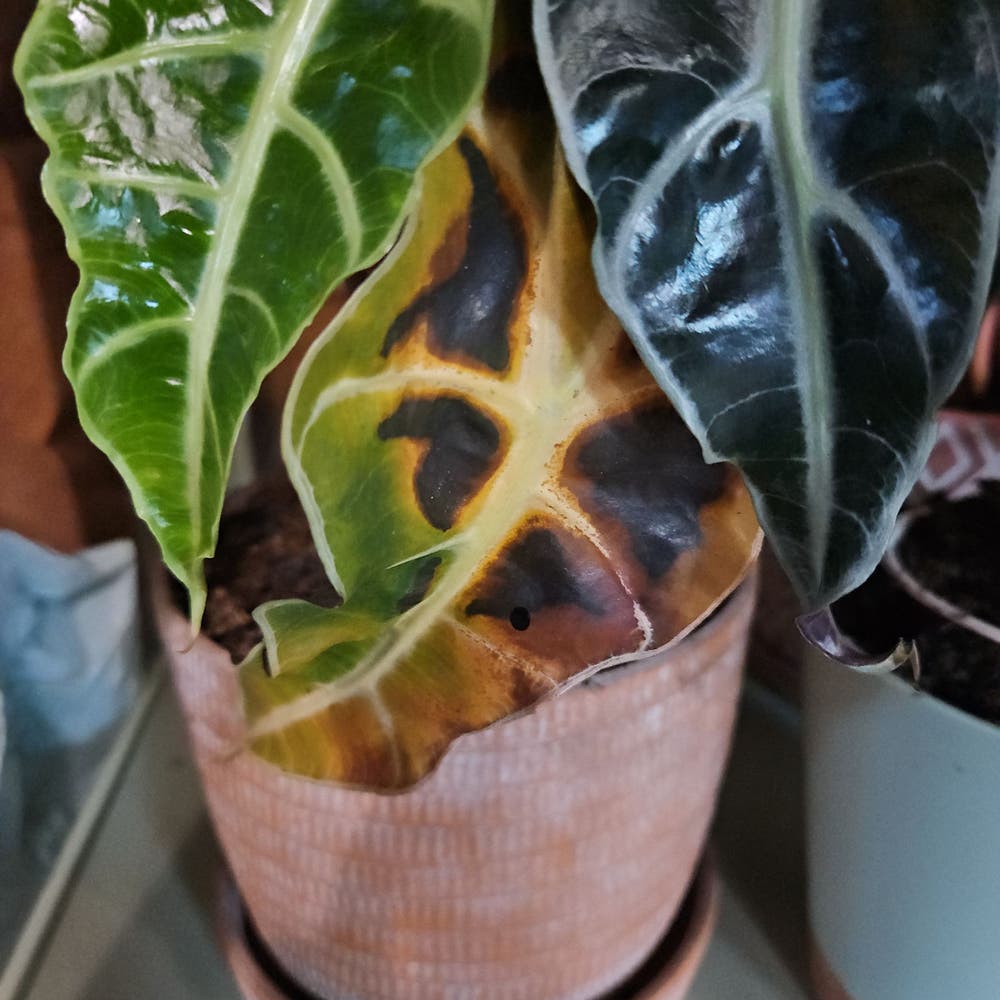
Why Is My Italian Arum Dropping Leaves?
Arum italicum
By the Greg Editorial Team
Jun 18, 2024•6 min read
This article was created with the help of AI so we can cover more plants for you. May contain errors. See one? Report it here.
Uncover the secret to halting Italian Arum leaf drop and revitalize your plant's vibrancy 🍂🔍!
- Over/underwatering Italian Arum leads to leaf drop; adjust watering accordingly.
- Bright, indirect light and mild temps are key to preventing leaf drop.
- Inspect soil and pests regularly to maintain leaf health and prevent drop.
Spotting the Signs of Trouble
🍂 Identifying Leaf Drop in Italian Arum
Italian Arum's leaf drop can be a puzzler. Look for leaves that detach too easily or a general thinning of the lush foliage that should be present through winter. If it's spring and there's no sign of the usual resurgence, your plant is waving a white flag.
🚨 Early Signs and Symptoms of Leaf Drop
Yellowing leaves or those with brown tips are tattletales, hinting at trouble in paradise. Spots or specks? Could be a bacterial bash happening at your plant's expense. Leaves that look more tired than you feel on a Monday morning are a dead giveaway.
🌿 Understanding the Natural Lifecycle of Italian Arum Leaves
Italian Arum leaves are seasonal show-offs, arriving fashionably late in fall and often sticking around until spring. If they're dropping out of season, it's not a trendy plant diet; it's a cry for help. Remember, these leaves are the plant's solar panels; without them, it's like trying to charge your phone with a dead battery.

Water Woes: Striking the Right Balance
💧 The Perils of Overwatering and Underwatering
Overwatering transforms your Italian Arum's home into a swamp, suffocating roots and triggering leaf drop. Conversely, underwatering leaves soil parched and leaves crispy. It's a delicate dance to keep the soil's moisture just right.
💦 Tips for Adjusting Your Watering Routine
Monitor your plant's thirst as you would your own—check the soil before watering. Consistency is key, but don't be a slave to the calendar. Adapt to your plant's needs, which change with the environment.
Go for Goldilocks Watering
Not too much, not too little, just right. When you water, do it thoroughly, allowing excess to drain without turning the pot into a pool party.
🚰 Improve Drainage
If your pot is holding water like a dam, it's time to switch it up. Ensure drainage holes are clear, or consider a pot that won't leave your plant's feet wet.
Watch for Weather Changes
Plants drink more during heat waves and less when it's cooler. Adjust your watering habits accordingly, and remember, a thirsty plant is better than a drowned one.
Consider a Soil Switch
If overwatering is a chronic issue, a well-draining mix might just be your savior. It's like changing the foundation of a house—vital for long-term stability.
Recognizing the Signs
Yellowing leaves are your plant's cry for help, while a swampy soil feel means too much water. Bone-dry soil? That's a sign to step up your watering game.

Light and Temperature: Finding the Sweet Spot
💡 The Role of Light in Leaf Retention
Italian Arum, like a finicky artist, demands the perfect lighting for its masterpiece of leaves. Too much sun, and the leaves might crisp up like overdone toast. Too little, and they'll wilt, longing for a sunbeam. Bright, indirect light is your best bet, keeping your plant's leaves lush without the risk of sunburn.
🌡️ Temperature Tolerance of Italian Arum
When it comes to temperature, think of your Italian Arum as having a preference for a mild Mediterranean climate. Extreme heat or cold can send your plant into a state of shock, causing leaves to drop as if they're abandoning ship. Keep the temperature consistent, ideally between 15-23ºC (59-73ºF), to avoid triggering a leafy exodus.
Adjusting the Plant's Environment
If your plant's leaves are dropping faster than mic drops at a rap battle, it's time to reassess its position. Rotate your plant regularly to ensure even light exposure, and consider using technology like thermometers to keep the temperature steady. Remember, your plant isn't looking for a thrill ride of fluctuating conditions—it craves stability.

Soil and Roots: The Foundation of Health
🌱 Soil Quality and Drainage
Soil quality is the unsung hero in the saga of plant health. If your Italian Arum is shedding leaves like a tree in autumn, it's time to scrutinize the dirt. The right mix should be the plant equivalent of a five-star hotel—luxurious, yet functional. Well-draining potting mix is non-negotiable; it's the difference between a thriving green beauty and a droopy, leaf-dropping mess.
To upgrade your soil's status from flop to fabulous, think of it as a bespoke suit—it needs to fit your plant's needs perfectly. A blend of peat, perlite, and vermiculite is like the plant's personal concierge, ensuring excess water checks out before it causes trouble. Remember, waterlogged soil is a VIP pass for root rot, and nobody wants that lurking around.
🛠️ Simple Fixes to Improve Soil and Prevent Leaf Drop
First off, let's talk drainage. If your pot's as watertight as a submarine, it's time for an intervention. Ensure those drainage holes are clear—roots need to breathe, not swim. Adding organic matter like compost isn't just for the eco-conscious; it's a game-changer for aeration and nutrient availability.
Regular soil check-ups are like health screenings for your plant. A sniff test can be quite telling—if it smells like something died in there, it's a red flag. Keep the soil's nutrient game strong; it should be more gourmet market than fast-food joint. And when in doubt, remember the cocktail party rule—enough water to stay merry, not enough to pass out.
Battling External Enemies: Pests and Environmental Stress
🐜 Common Pests that Trigger Leaf Drop
Italian Arum may fall victim to the sneaky attacks of pests such as spider mites, aphids, and mealybugs. These critters are like uninvited guests at a dinner party, sucking the life out of your plant's leaves, leading to their inevitable drop. Regular inspections under leaves and near stems can reveal these pests' hideouts. If you spot them, it's time for action. Insecticidal soaps or neem oil can be your go-to weapons, offering a gentler touch on the environment while effectively showing these pests the door.
🌡️ Environmental Factors and Their Effects
Your Italian Arum isn't just being finicky; it's sensitive to its surroundings. Extreme temperatures and inadequate light can make it throw a tantrum, expressed through leaf drop. Ensure it's not roasting in direct sunlight or shivering in the cold. Aim for that sweet spot of bright, indirect light and a stable temperature. Good air circulation is also crucial; think of it as the plant's breathing space. Stagnant air is a no-go, as it invites fungal gatecrashers that can cause leaf drop.
🛡️ Mitigating Environmental Stress
To keep your Italian Arum from having a meltdown, maintain a stable environment. Sudden changes in temperature or humidity are like unexpected plot twists that your plant definitely didn't sign up for. Keep things consistent, and you'll avoid those dramatic leaf drops. If you're dealing with a fungal invasion, remember that dry leaves are your best defense. Prune any affected areas with the precision of a ninja to stop the spread and keep your plant looking sharp.
⚠️ Safety First
This content is for general information and may contain errors, omissions, or outdated details. It is not medical, veterinary advice, or an endorsement of therapeutic claims.
Always consult a qualified healthcare professional before using any plant as food, medicine, or supplement.
Never eat any plant (or feed one to pets) without confirming its identity with at least two trusted sources.
If you suspect poisoning, call Poison Control (800) 222-1222, the Pet Poison Helpline (800) 213-6680, or your local emergency service immediately.
Spotted an error? Please report it here.
Prevent your Italian Arum from shedding leaves by letting Greg tailor 🌱 a watering schedule that matches its unique needs, ensuring a lush, healthy plant.