Italian Arum: A Common Weed
Arum italicum
By the Greg Editorial Team
Jul 23, 2024•7 min read
This article was created with the help of AI so we can cover more plants for you. May contain errors. See one? Report it here.
Safeguard ecosystems by tackling Italian Arum's invasion 🌿—a biodiversity battlefront.
- Identify Italian Arum to tackle its invasive spread early.
- Understand its impact on ecosystems and agriculture.
- Learn management strategies for effective control and prevention.
Recognizing Italian Arum
🌿 Identifying Features
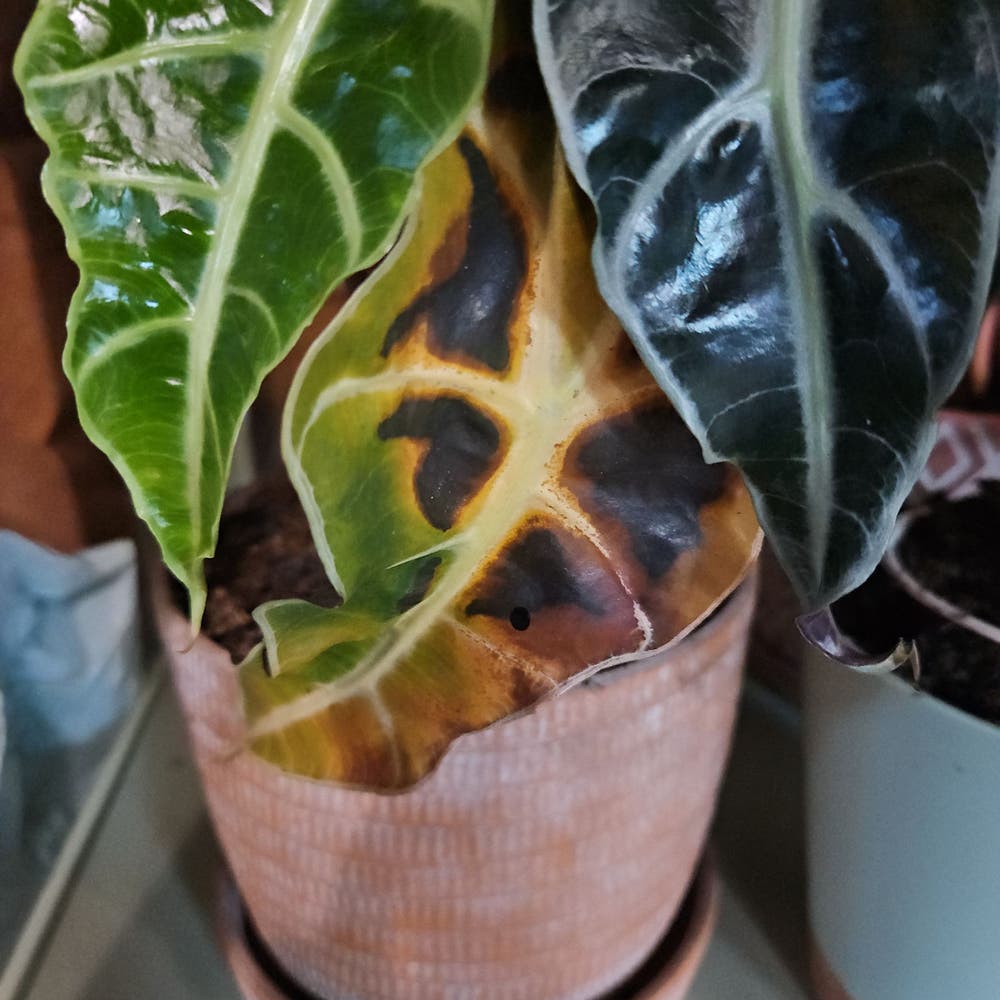
Italian Arum, a clump-forming perennial, is notable for its glossy green, arrow-shaped foliage with distinctive white veining. These leaves emerge in late fall and can persist through winter in milder climates, or reappear in spring. Come April and May, the plant reveals hood-like flowers, each with a creamy white spathe encircling a central spadix, attracting pollinating flies with their unique odor. Post-pollination, berries form in clusters, transitioning from green to a vivid orangish-red by August. Typically, the plant stands 12-18 inches tall and reproduces via seeds and tubers.
🧐 Common Look-Alikes
Italian Arum may be mistaken for similar species, but there are telltale differences to watch for:
- Wapato (Sagittaria latifolia): While Wapato shares dark green leaves with Italian Arum, it lacks the characteristic white stripes.
- Calla Lily (Zantedeschia aethiopica): Similar in flower shape, Calla Lilies do not have the white-striped leaves. The berry production of Italian Arum also sets it apart.
- Arum maculatum: This relative may hybridize with Italian Arum, yet typically has different spotting and less pronounced veining on the leaves.
To avoid confusion, observe the unique combination of Italian Arum's leaf patterns, flower structure, and berry coloration.
Invasive Characteristics
🌿 Weed vs. Invasive Species
Italian Arum, often unwelcome in gardens and wild areas, earns the 'weed' label due to its undesirable nature in specific contexts. But it's the 'invasive' tag that raises greater concern. Invasive species, like Italian Arum, are not just out of place—they aggressively colonize and disrupt ecosystems. This classification is more than a mere label; it signifies a threat to biodiversity, signaling the need for immediate and effective management strategies.
🌱 Spread and Dominance
Italian Arum's conquest of new territories is no accident. It's a masterclass in survival and expansion, characterized by:
- Growth Habits: Thriving from corms, Italian Arum forms dense clumps, its glossy foliage a winter mainstay, with flowers and berries following suit.
- Reproductive Prowess: Seeds and tubers serve as its agents of proliferation, ensuring its lineage endures across seasons and conditions.
- Environmental Tolerance: From shaded woodlands to sun-kissed riverbanks, Italian Arum's adaptability is a key to its invasive success.
- Human Facilitation: Our own land management practices unwittingly escort this plant into new realms, where it often faces few natural enemies.
Each characteristic is a thread in the fabric of Italian Arum's invasive nature, weaving a pattern of ecological dominance that challenges native flora and demands our attention.
Environmental Adaptations
🌱 Growth Patterns
Italian Arum exhibits a robust life cycle that allows it to flourish across diverse climates. Its growth pattern is clumping, with new shoots emerging around the parent plant, a strategy that aids in its dense colonization of areas. This perennial's leaves sprout every autumn, persisting through winter frosts, and wither in spring after flowering, only to re-emerge later in the year.
- Prefers soil to dry out between waterings, indicating drought tolerance.
- Thrives in USDA Hardiness Zones 5a-9b, showcasing its adaptability to varying temperatures.
- Requires abundant, bright light, suggesting a preference for open spaces that receive direct sunlight.
🌼 Reproductive Strategies
Reproduction is key to Italian Arum's invasive success. It propagates through division, allowing for rapid multiplication and spread. The plant's flowers, which bloom in spring, attract small flies essential for pollination, demonstrating an opportunistic use of local fauna. As seeds develop, they are dispersed, ensuring new generations establish themselves in surrounding areas.
- Can be propagated by division, facilitating its spread.
- Pollinated by small flies, indicating a symbiotic relationship with specific insects.
- Seed dispersal strategies contribute to its invasive potential, as they allow the plant to colonize new territories efficiently.
Ecological and Economic Impacts
🌿 Native Ecosystems
Italian Arum's invasion into native habitats can lead to a cascade of ecological disruptions. Here's how it affects various aspects of the environment:
- Displacement of native plant species, reducing biodiversity.
- Alteration of soil composition and structure, impacting plant communities.
- Competition with native flora for resources, sometimes leading to localized extinctions.
- Potential changes in wildlife food resources, affecting the diet and survival of native animals.
💰 Agricultural Challenges
The presence of Italian Arum in agricultural settings poses significant economic concerns:
- Encroachment on crop fields, leading to competition for nutrients and water.
- Potential interference with irrigation systems and drainage canals.
- Increased management costs for farmers due to the need for removal and control measures.
- Possible reduction in crop yields and quality, impacting farmers' income.
Managing Italian Arum
🕵️♂️ Early Detection and Response
Early detection of Italian Arum is critical in preventing its spread. Vigilance is key; gardeners and land managers should regularly inspect their properties for signs of this invasive plant.
- Recognize Italian Arum by its distinctive foliage and orange berries.
- Act swiftly to remove small patches before they expand.
- Monitor the area weekly for new growth, especially after removal.
🛠️ Manual and Chemical Control
Manual removal is the frontline defense against Italian Arum. It's labor-intensive but necessary to curb its invasion.
- Dig deeply to remove all plant parts, including tubers and bulblets.
- Dispose of plant debris securely to prevent accidental spread.
- Chemical treatments are often ineffective, but if used, select them carefully and follow state guidelines.
🌿 Biological Controls and Preventatives
Biological control methods are still under exploration. In the meantime, prevention is the best strategy.
- Avoid planting Italian Arum and educate others about its invasive nature.
- Implement landscaping practices that favor native species and discourage invasives.
- Stay informed about biological control research and emerging solutions.
Regulations and Responsibilities
🚓 Legal Framework
Italian Arum, known for its invasive tendencies, is subject to various legal regulations. These laws aim to prevent its spread and mitigate its impact on ecosystems. Here's what you need to know:
- Italian Arum may be listed as a regulated pest in certain regions, meaning specific laws govern its control.
- Compliance with these regulations is mandatory for landowners and managers, who must prevent the plant from spreading to new areas.
- The legal framework can include restrictions on the sale, cultivation, and transport of Italian Arum to curb its introduction into non-native environments.
🌍 Community Efforts
The fight against Italian Arum isn't just a legal matter; it's a communal one. Here's how community action makes a difference:
- Local groups often lead the charge in detecting and responding to invasive species like Italian Arum.
- Volunteering with environmental organizations can provide the manpower needed for manual removal efforts.
- Community education programs raise awareness about the risks of Italian Arum and encourage responsible gardening practices.
- Collaborative efforts between residents and local authorities enhance the effectiveness of control measures and ensure a coordinated response.
Weighing the Benefits
Historical and Contemporary Uses
🌿 Italian Arum, despite its notoriety as an invasive species, has been associated with various uses throughout history. Its glossy leaves and colorful berries have not only added aesthetic value to gardens where it's not invasive but have also been used in cultural and ceremonial contexts. Here's a snapshot of its uses:
- Indoor Air Quality: Like many plants, Italian Arum may contribute to air purification.
- Cultural Significance: It holds a place in certain traditional ceremonies, symbolizing respect or hospitality.
- Landscaping: In non-invasive regions, it can enhance garden diversity with its year-round foliage and summer berries.
A Balanced View
⚖️ While Italian Arum does have its perks, it's crucial to weigh these against its invasive tendencies. The plant's aggressive growth can threaten native ecosystems and biodiversity. Here's why the benefits don't tip the scale:
- Ecological Threat: Its dominance in foreign ecosystems can lead to the displacement of native species.
- Management Costs: The economic and labor-intensive burden of controlling its spread often overshadows its uses.
- Toxicity: The plant's toxic properties pose risks to humans and animals, limiting its safe use.
In essence, while Italian Arum may have certain attributes that could be seen as beneficial, these are overshadowed by the significant negative impacts it has on environments where it becomes invasive.
⚠️ Safety First
This content is for general information and may contain errors, omissions, or outdated details. It is not medical, veterinary advice, or an endorsement of therapeutic claims.
Always consult a qualified healthcare professional before using any plant as food, medicine, or supplement.
Never eat any plant (or feed one to pets) without confirming its identity with at least two trusted sources.
If you suspect poisoning, call Poison Control (800) 222-1222, the Pet Poison Helpline (800) 213-6680, or your local emergency service immediately.
Spotted an error? Please report it here.
Turn your Italian Arum woes into a weed-free wonderland 🌿 with the help of Greg's tailored care reminders and expert community tips.