Best Soil Potting Mix for Italian Arum
Arum italicum
By the Greg Editorial Team
Jun 18, 2024•3 min read
This article was created with the help of AI so we can cover more plants for you. May contain errors. See one? Report it here.
Unlock your Italian Arum's potential with the ultimate soil mix guide for robust growth! 🌱
- Moldy smell and compacted soil are red flags for Italian Arum.
- Aeration, drainage, nutrients, and pH 6.0-7.0 are crucial for the ideal mix.
- Custom mix with peat, perlite, bark, and worm castings benefits growth.
Spotting Trouble: When Your Italian Arum's Soil Goes Bad
🚩 Signs Your Soil is a No-Go for Italian Arum
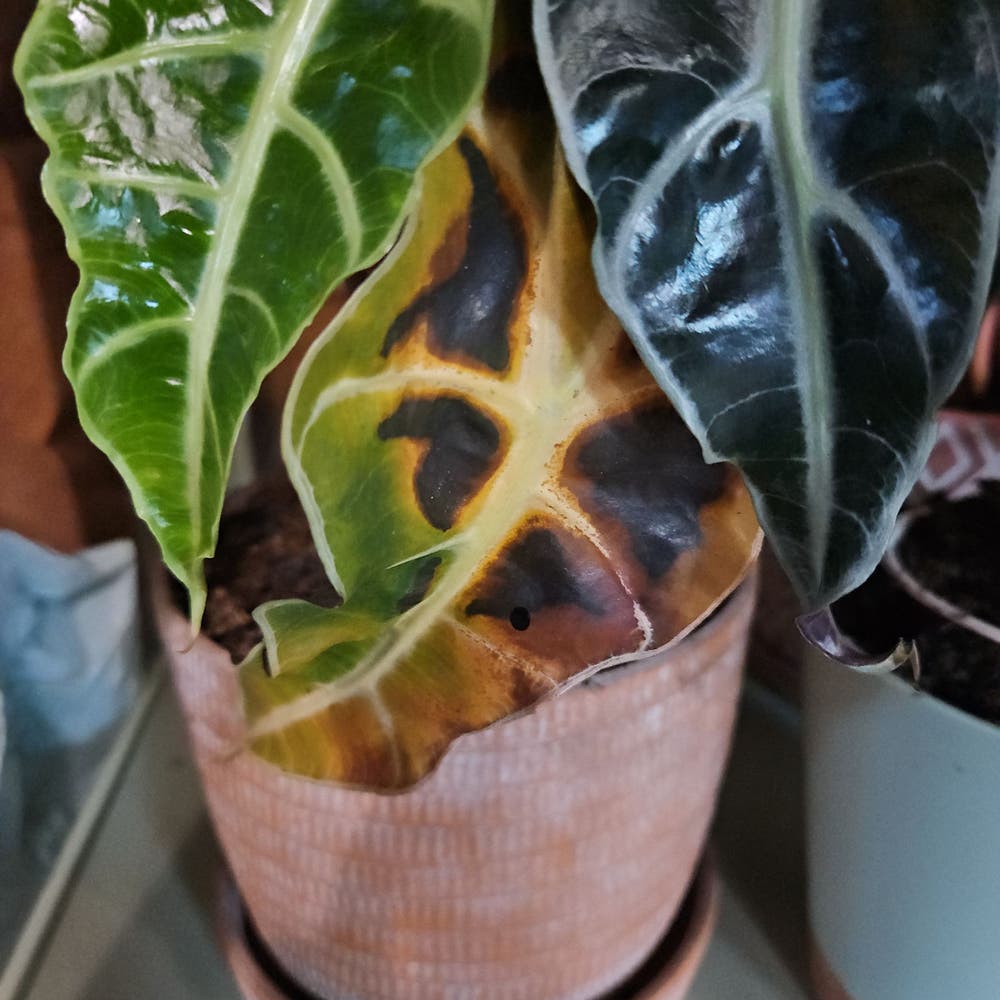
Moldy soil is a red flag for Italian Arum. If you spot a fungal fiesta or detect a musty odor, it's a distress signal. Compacted soil is another culprit; it's the equivalent of tight shoes for roots—uncomfortable and restrictive.
🔄 Turning the Tables on Troublesome Soil
To banish mold, introduce perlite or coarse sand to the mix, enhancing aeration and drainage. Think of it as your plant's soil spa day. For compacted soil, it's time to get your hands dirty—literally. Fluff up the soil to give roots the breathing room they crave.

The Ideal Soil Mix: What Italian Arum Dreams Are Made Of
🌱 The Perfect Blend: Components of an Arum-Friendly Soil
Italian Arum's wishlist for soil is short but non-negotiable: it craves aeration, drainage, and nutrients. Think of it as the plant equivalent of a good mattress—supportive, breathable, and just the right firmness. Organic matter is like the comfort layer, providing nutrients and structure. Perlite or vermiculite steps in as the box spring, ensuring the roots aren't swimming in water. And pH? Aim for a slightly acidic to neutral playground (6.0-7.0), where nutrients are up for grabs.
🛍️ Commercial Mixes That Italian Arum Loves
When you're not up for playing soil mixologist, grab a bag of the good stuff off the shelf. A lighter mix usually means your Arum won't need a life vest due to better drainage. Look for mixes boasting perlite for aeration and limestone to keep the pH in check. And if you're the forgetful type, pair it with a terracotta pot—it's like having a moisture butler at your plant's beck and call.

Crafting Your Own Italian Arum Soil Mix
🌱 DIY Soil Mix Recipe: The Secret Sauce for Thriving Arums
Creating a custom soil mix for your Italian Arum isn't just about mixing dirt; it's about concocting a gourmet meal for your plant's roots. Let's get our hands dirty and whip up a batch of the good stuff.
Ingredients and Proportions
- 1 part peat moss or coco coir for moisture control
- 1 part perlite for that critical aeration
- 1 part orchid bark to mimic the Arum's natural habitat
- A handful of worm castings for a nutrient boost
Mixing It Up
Start with a base of peat moss or coco coir, which will help retain just the right amount of moisture without waterlogging those delicate roots. Next, throw in an equal part of perlite; think of it as the ingredient that keeps the soil breathing, preventing root rot.
Now, for the pièce de résistance: orchid bark. It's not just for orchids; it gives your Arum that "I'm in the wild" vibe. Lastly, don't forget the worm castings – it's like sprinkling a little magic growth dust into the mix.
The Mixing Process
- In a large container, combine the peat moss or coco coir with the perlite.
- Add in the orchid bark and mix until evenly distributed.
- Sprinkle the worm castings over the mix and blend thoroughly.
Remember, this is more art than science. If your Arum whispers for more moisture, tweak the peat. If it's gasping for air, up the perlite. Listen to your plant, and don't be afraid to adjust the recipe. Your Italian Arum will thank you with lush, vibrant growth.

⚠️ Safety First
This content is for general information and may contain errors, omissions, or outdated details. It is not medical, veterinary advice, or an endorsement of therapeutic claims.
Always consult a qualified healthcare professional before using any plant as food, medicine, or supplement.
Never eat any plant (or feed one to pets) without confirming its identity with at least two trusted sources.
If you suspect poisoning, call Poison Control (800) 222-1222, the Pet Poison Helpline (800) 213-6680, or your local emergency service immediately.
Spotted an error? Please report it here.
Craft the ideal potting mix 🌱 for your Italian Arum with Greg's guidance on aeration, drainage, and nutrients for a flourishing plant!