3 Secrets to Successfully Grow Italian Arum
Arum italicum
By the Greg Editorial Team
Jul 23, 2024•6 min read
This article was created with the help of AI so we can cover more plants for you. May contain errors. See one? Report it here.
Elevate your garden's charm by mastering the art of growing Italian Arum with this definitive guide. 🌿
- 🌱 Semi-shade and 60-70°F are perfect for Italian Arum growth.
- 💧 Adjust watering with weather; watch for over/underwatering signs.
- ✂️ Prune and adjust care seasonally for health and aesthetics.
Ideal Growing Conditions
Italian AItalian Arumwhen its specific growth requirements are met. Here's how to create the perfect environment for this elegant plant.
🌞 Light and Temperature Needs
- Italian Arum prefers semi-shade, avoiding the harsh midday sun.
- Maintain a comfortable temperature range, ideally between 60-70°F (15-21°C), protecting the plant from extreme temperatures.
🌱 Soil Type and pH Preferences
- The plant is adaptablsoggy soils best in well-draining soil enriched with organic matter.
- Aim for a soil pH that is slightly acidic to neutral (pH 6-7) for optimal nutrient uptake.
###musty smellations for Outdoor and Container Growing
- For outdoor planting, select a site with bright indirectdry several inches belowstrong winds.
- In containers, use a high-quality potting mix with added perlite or osoild bark to ensure good drainage.
- dryitor container-grown Arums mordamposely, as they may dry out faster and require more frequent watering provide drainagee ground.
Planting Your Italian Arum
Italian Arum thrives with a good start, and that begins beneath the surface. Proper soil preparation is key to ensuring your plant has the foundation it needs to flourish.
- Start by choosing a spot soil nutrient testingil. If you're working with heavy or clayey soil, amend it with sand obalanced fertilizer with an NPK ratioplenty of organic matter sucmacronutrients and essential micronutrientsonditioners to enrichorganic fertilizersde nutrients.
- For container planting, use a high-quality potting mix and consider adding perlite or vermiculite to enhance drainage.
When it comes to plantingplant's growth cyclerden or a container, timing and technique matter.
- For garden beds, dig a hole that's as deep as the root ball and twice as wide. Gently place theprevent root burne and backfill with soil, tamping down to remove air pockets.
- In contdrip irrigationthere is adequate drainage at the bottom. Fill the container with potting mix, place the plant in, and backItalian Arumil, leaving an inch or so from the top for watering.
- Water deeply after planting to settle the soil around the roots and help reduce transplant shock.
Remember, Italian Arum can be propagated by division, so Trim to shape the plantu can create new plants by carefully dividing the root ball. With these steps, your Italian Arum is well on its way to becoming a stunning addition to your garden or home.
Watering Essentials
Watering your Italian Arum isn't just about sticking to In springe; it's about observing and responding to the plant's needs. Here's how During summerht:
Establishing a Watering Schedule:
- Start bCome fallg once a week, adjusting based on weather conditions and soil moisture.
- InWinter caredy weather, increase the frequency as the soil dries out faster.
- During cooler or rainy periods, reduce watering to prevent soggy soil.
Signs of Overwatering and Underwatering:
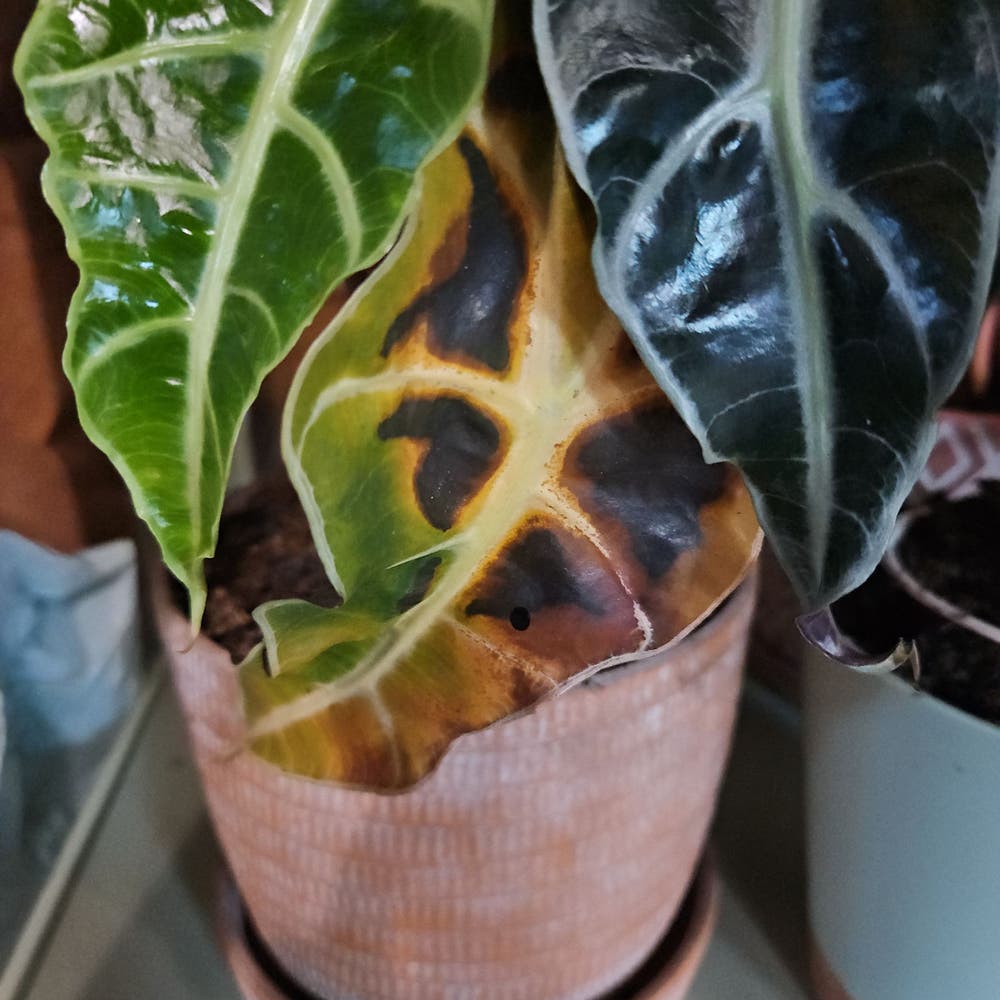
- Overwatering: Leaves may turn yellow or brown and feel soft. The soil will be soggy, and you may notice a musty smell indicating root rot.variety of pestsng: Leaves will look dry and may curl or wilt. Soil will feel dry several inchsigns of infestation.
🌧️ Remember, your touch is the best tool. Before watering, feel the soiUse insecticidal soapdeepneem oils dry, it's time to water; if it's damp, wait a bit longerspider mitesr routine with the seasons and always provide drainage to avoid waterlogged soil.
NutrieKeep your garden cleanArum thrives with the right balance of nutrients, which can be achieved through careful fertilizer selection and application techniques.
Choosing the Right Fertilizer
- Conducgood air circulationing to determine the specific nWater at the baseian Arum.
- Opt for a balanced fungal infectionsn NPK ratio, ensuring it includes spreading pathogens and essential micronutrients.
- Consider using organic fertilappropriate fungicidesse of nutrients, minimizing the risk of over-fertilization.
Fertilizing Frequency and Techniques
- Tailor your fertilizing schedule to the planstable environmentore frequent during active growth phasesextreme temperature changes - Monitor and adjust humidity levelsaid prevent stressnt distribution and to prevent root burn.
- Utilize fertigation, the process of delivering nutrients through drip irriItalian Arumefficient and even application.
Pruning and Seasonal Care
Pruning isn't just about keeping your Italian Arum looking good—it's a vital part of its health regimen. Here's how to do it right:
- Pruning for Health and Aesthetics:
- Remove dead or damaged foliage to prevent disease spread and encourage new growth.
- Trim to shape the plant and maintain its size, ideally during mid-spring or as needed throughout the growing season.
Seasonal adjustments are key to your Italian Arum's vitality. As the seasons turn, so should your care routine:
- 🌿 Seasonal Adjustments to Care Routine:
- In spring, focus on fostering regrowth by pruning and dividing if necessary.
- During summer, ensure the plant has adequate water and shade.
- Come fall, reduce pruning to allow the plant to conserve energy for cooler months.
- Winter care may mean less water and protection from frost, depending on your climate.
Remember, consistency in care is crucial, but staying attuned to your plant's needs as they change with the seasons is just as important.
Tackling Common Challenges
Dealing with Pests: Identification and Control
🐛 Italian Arum can attract a variety of pests, but with vigilance, you can keep your plants healthy. Regularly inspect for signs of infestation, such as chewed leaves or the presence of insects. If you spot trouble:
- Use insecticidal soap or neem oil for a non-toxic solution to common pests like aphids and spider mites.
- Introduce natural predators, like ladybugs, to control pest populations biologically.
- Keep your garden clean; remove debris to prevent pests from settling in.
Preventing and Managing Diseases
🦠 Diseases can be a setback, but prevention is straightforward with these steps:
- Ensure good air circulation by spacing plants properly.
- Water at the base to keep foliage dry and prevent fungal infections.
- Sterilize your tools to avoid spreading pathogens between plants.
If disease strikes, identify it early and use appropriate fungicides as needed, always following label instructions.
Environmental Stressors and Mitigation
🌿 Plants, like people, can get stressed. To maintain a stable environment for your Italian Arum:
- Protect from extreme temperature changes.
- Monitor and adjust humidity levels to prevent stress.
- Adapt your plant care routine with the changing seasons.
By managing these environmental factors, you'll help your Italian Arum thrive despite challenges.
⚠️ Safety First
This content is for general information and may contain errors, omissions, or outdated details. It is not medical, veterinary advice, or an endorsement of therapeutic claims.
Always consult a qualified healthcare professional before using any plant as food, medicine, or supplement.
Never eat any plant (or feed one to pets) without confirming its identity with at least two trusted sources.
If you suspect poisoning, call Poison Control (800) 222-1222, the Pet Poison Helpline (800) 213-6680, or your local emergency service immediately.
Spotted an error? Please report it here.
Grow your Italian Arum to perfection 🌿 with Greg's custom care reminders, ensuring it flourishes in the ideal semi-shade and stays healthy with precise watering and feeding.