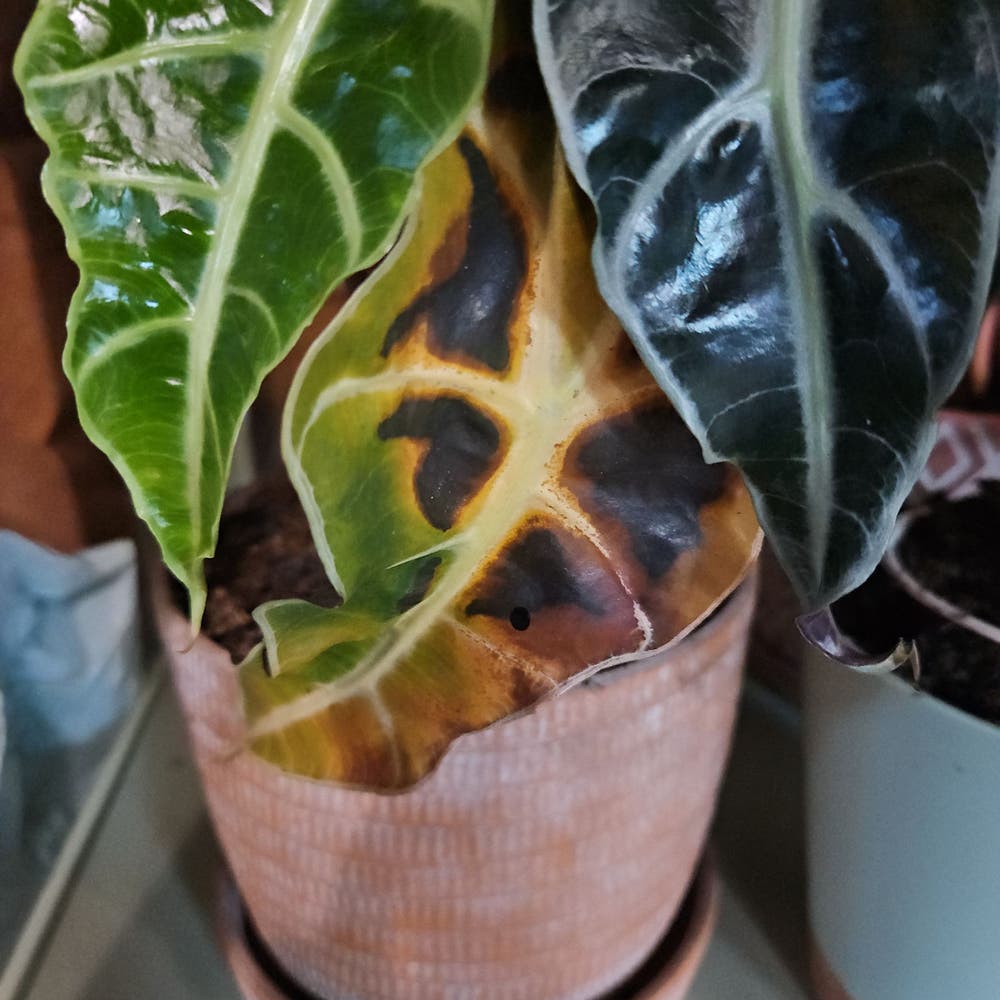
What Are The Bugs on My Italian Arum?
Arum italicum
By the Greg Editorial Team
Jun 18, 2024•3 min read
This article was created with the help of AI so we can cover more plants for you. May contain errors. See one? Report it here.
Spot and squash pesky bugs 🐛 on your Italian Arum to keep your green oasis thriving! 🌿
- 🕸️ Spider mites, scale, and whiteflies suck sap and weaken Italian Arum.
- 🌱 Discoloration and wilting signal possible pest infestation.
- 🛡️ Neem oil, insecticidal soaps, and monitoring help prevent and treat bugs.
Spotting the Culprits: Common Pests on Italian Arum
🕷️ Spider Mites
Tiny web-spinners, spider mites, often go unnoticed until their artwork of fine webbing across your Italian Arum's leaves becomes visible. Look for leaf damage that resembles speckling, a sign these tiny pests are feasting.
🛡️ Scale
Scale insects are masters of disguise, appearing as mere bumps on your plant's stems and leaves. Their protective shells make them tough adversaries, and they can wreak havoc by sucking sap and promoting sooty mold growth.
🦟 Fungus Gnats and Fruit Flies
If you're seeing a buzz around your Italian Arum, it's likely due to fungus gnats or fruit flies. These pests love moist soil and are more than a mere annoyance; their larvae can damage roots.
🐛 Mealybugs
The presence of mealybugs is betrayed by their distinctive cottony fluff. These pests cluster in nooks and crannies, sapping the strength from your plant with their insatiable appetites.
🦗 Aphids
Aphids are the clingy friends your Italian Arum doesn't need, often found in clusters on new growth. These tiny green invaders can cause significant damage by sucking the sap and spreading diseases.
🦋 Whiteflies
Whiteflies are the ghostly pests that flutter up in a cloud when disturbed. Their presence is a sign of trouble, as they too suck sap and can quickly lead to a weakened plant.

Early Warning Signs: Detecting an Infestation
🕵️♂️ Visual Clues
- Discoloration and wilting are the plant's cry for help.
- Dropping leaves? Time to play detective for unseen pests.
Behavioral Signals
- A plant under siege might stop its growth spurt, so watch for stunted growth.
- If your Arum's got the look of despair, it's not being dramatic—it's stressed.

Battle Tactics: Effective Remedies for Each Pest
🤺 Physical Removal
Physical removal is your first strike against pests. For scale insects, don a pair of gloves and scrape them off with a soft brush, or use a cotton swab soaked in rubbing alcohol for precision hits. It's a hands-on approach that can be oddly satisfying.
🌿 Natural and Organic Treatments
Neem oil and insecticidal soaps are the eco-warriors of pest control. Apply with care to avoid leaf burn and remember that neem oil's pungent scent is not for the faint of heart. For a more gentle touch, introduce beneficial insects like ladybugs to wage war on aphids and mites.
☠️ Chemical Solutions
When the going gets tough, chemical pesticides are the heavy artillery. Use them sparingly and with precision, as they don't discriminate between friend and foe. Always gear up with protective equipment and follow the label to a T to avoid turning your garden into a toxic wasteland.

Fortifying Your Italian Arum: Prevention Strategies
👩🌾 Cultural Practices
Watering is more art than science when it comes to keeping pests away. Overwatering is like sending out a VIP invite to a bug rave in your Italian Arum's pot. Soil choice is another biggie—opt for sterile potting mixes to slam the door on pest parties.
🌞 Environmental Controls
Let's talk about setting up a no-fly zone for pests. Humidity and temperature can either be your best allies or worst enemies. Keep them in the Goldilocks zone—not too hot, not too cold, just right. Cleanliness? Non-negotiable. It's like maintaining a fortress; no debris means no hidden crevices for bugs to bunker down.
🛡️ Regular Monitoring
Last but not least, inspect your plants like a hawk. Early detection is your secret weapon; it's easier to nip an infestation in the bud than to deal with a full-blown invasion. Get up close and personal with your Italian Arum regularly, and you'll be the first to spot any freeloading pests trying to set up camp.
⚠️ Safety First
This content is for general information and may contain errors, omissions, or outdated details. It is not medical, veterinary advice, or an endorsement of therapeutic claims.
Always consult a qualified healthcare professional before using any plant as food, medicine, or supplement.
Never eat any plant (or feed one to pets) without confirming its identity with at least two trusted sources.
If you suspect poisoning, call Poison Control (800) 222-1222, the Pet Poison Helpline (800) 213-6680, or your local emergency service immediately.
Spotted an error? Please report it here.
Banish bugs from your Italian Arum with savvy tips from our guide and let Greg 🌱 keep your plant's defenses strong with custom care reminders and environmental monitoring.