What Is A Good Temperature Range For My Italian Arum?
Arum italicum
By the Greg Editorial Team
Jun 18, 2024•4 min read
This article was created with the help of AI so we can cover more plants for you. May contain errors. See one? Report it here.
Keep your Italian Arum perky 🌿 by mastering its ideal temperature sweet spot, dodging droops and discoloration.
- Ideal range 65°F-75°F (18°C-24°C) for Italian Arum's health.
- 🌡️ Above 80°F or below 50°F? Watch for wilting or damage.
- Monitor humidity with hygrometer; aim for around 50%.
Dialing in the Perfect Temperature for Italian Arum
🌡️ What's Too Hot, What's Too Cold
Italian Arum, like a finicky houseguest, prefers not to sweat or shiver. Upper limits for this perennial sit comfortably below the sweltering mark, with temperatures above 80°F (27°C) potentially causing the plant to wilt or suffer. On the flip side, frosty conditions below 50°F (10°C) can be just as unwelcome, risking damage to its variegated leaves.
The Sweet Spot
Now, for the Goldilocks zone. Italian Arum thrives in a temperature range of 65°F to 75°F (18°C to 24°C). It's not just a preference; it's a sweet spot where this plant hits its stride, unfurling its foliage with the poise of a ballerina.
Seasonal Adjustments
As the seasons wheel by, Italian Arum's temperature needs shift subtly. Summer's heat might call for strategic shading, while winter asks for a retreat from the icy grasp of windows. It's a dance of adaptation, ensuring your Italian Arum stays comfortable year-round.

Recognizing When Your Italian Arum Feels the Heat (or Chill)
🌡️ Telltale Signs of Temperature Trouble
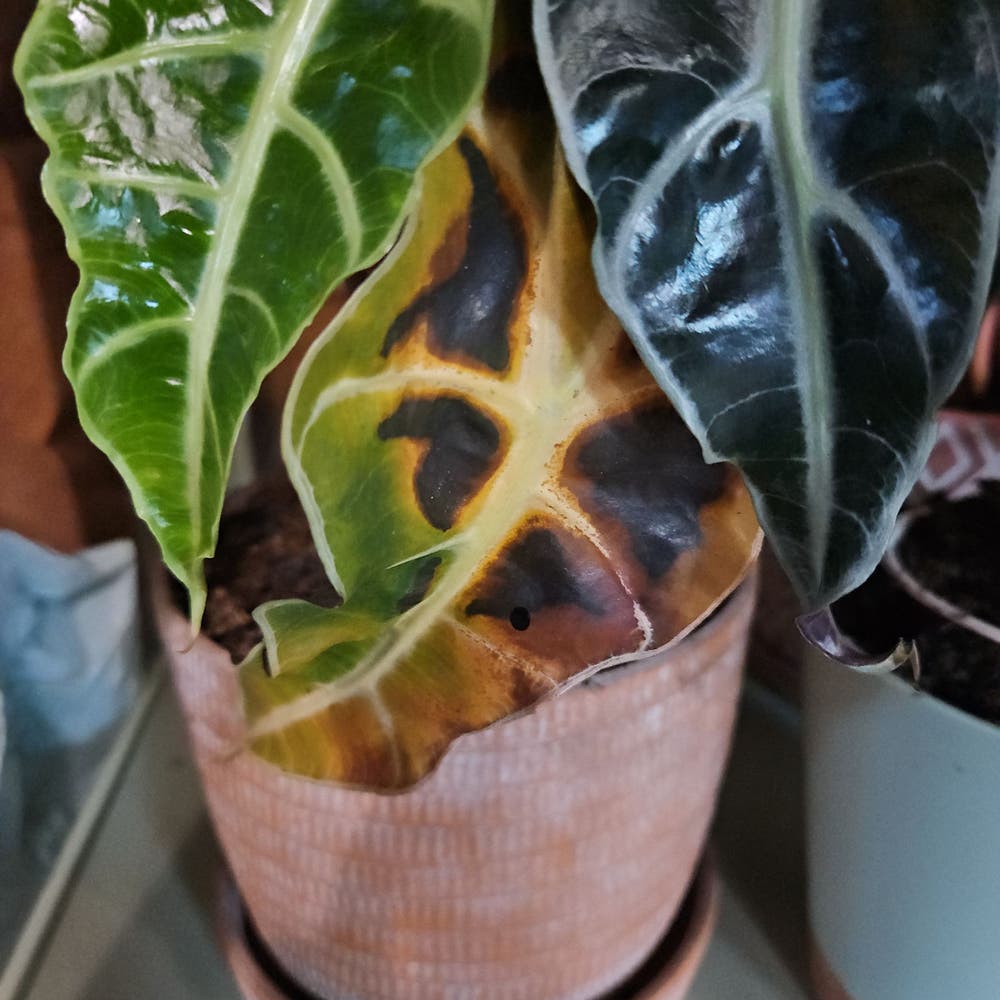
Italian Arum is not a drama queen, but it will tell you when it's not happy with the temperature. Leaf scorch and wilting are your first clues that your plant is under thermal stress. If the leaves start sporting reddish-purple spots or look like they've been peppered with freckles, it's likely too hot. They might also feel unusually warm, signaling a desperate need for cooler conditions or a shady nook.
When Leaves Speak
Leaves are the gossip columns of the plant world, spilling the beans on your Italian Arum's health. Crispy edges or a sad, droopy posture are the plant's way of saying it's baking in the heat. Conversely, if you notice the leaves turning dark with soggy spots, your plant is likely too cold and dreaming of warmer days. Keep an eye out for stunted growth too; it's not laziness, it's a sign your Italian Arum is struggling with the temperature.

Keeping Your Cool: Protecting Italian Arum from Extreme Temps
🌡️ Location, Location, Location
Italian Arum's well-being is heavily influenced by its position in your space. Indoors, avoid the deceptive embrace of a sunny window in summer or the icy whispers of a drafty corridor in winter. Outdoors, be mindful of the microclimates in your garden; sheltered spots can become sweltering traps, while exposed areas may turn into frosty deserts overnight.
🌡️ Quick Fixes for Temperature Fluctuations
When the weather throws a curveball, thermostats are your silent guardians, maintaining a cozy 60-85°F (15-29°C) for your leafy charge. As winter approaches, think of insulation as your plant's personal puffer jacket. A bit of bubble wrap or a plant cloche can be a lifesaver. And remember, drafty windows and radiators are frenemies to your Italian Arum—keep your plant clear of these drama queens. If you're caught off-guard by a sudden chill, moving your plant to a more temperate spot is a quick and effective solution.

A Quick Nod to Humidity
⛅️ Humidity's Role in Temperature Comfort
Humidity isn't just a background player; it's critical for your Italian Arum's comfort. The plant's native Mediterranean climate gives us clues about the humidity it craves.
⚖️ The Balancing Act
Higher temperatures mean the air can hold more moisture, which is great, but only up to a point. Too much, and you're in the danger zone for fungal parties and root rot. Too little, and you'll find your Arum's leaves looking more like crisp autumn leaves than lush foliage.
🎯 The Right Humidity Range
Aim for a humidity level around 50%. It's the sweet spot where your Italian Arum can breathe easy without feeling like it's either in a desert or a swamp.
📊 Keeping Tabs
Don't rely on guesswork. Use a hygrometer to keep an eye on humidity levels. Your Italian Arum isn't going to tap you on the shoulder and tell you it's thirsty or drowning; it's on you to keep the environment in check.
🔄 Quick Adjustments
If the air's too dry, group plants together or use a humidifier to create a more tropical vibe. If it's too damp, improve airflow or move your plant to a less muggy locale. It's like being a DJ for your plant's atmosphere, spinning the dials until the vibe is just right.
⚠️ Safety First
This content is for general information and may contain errors, omissions, or outdated details. It is not medical, veterinary advice, or an endorsement of therapeutic claims.
Always consult a qualified healthcare professional before using any plant as food, medicine, or supplement.
Never eat any plant (or feed one to pets) without confirming its identity with at least two trusted sources.
If you suspect poisoning, call Poison Control (800) 222-1222, the Pet Poison Helpline (800) 213-6680, or your local emergency service immediately.
Spotted an error? Please report it here.
Keep your Italian Arum in its happy zone 🌡 with Greg's tailored environment tracking, ensuring it never shivers or sweats its leaves off!