🐌 Determining What Might Be Eating Your Rex Begonia 'Escargot'
Begonia 'Escargot'
By the Greg Editorial Team
Sep 28, 2024•6 min read
This article was created with the help of AI so we can cover more plants for you. May contain errors. See one? Report it here.
Safeguard your beautiful Rex Begonia 'Escargot' 🌿 from hungry herbivores and cultivate a thriving garden ecosystem!
- 🌿 Rex Begonia 'Escargot' attracts herbivores due to its unique spiral-shaped leaves.
- 🦌🐇 Common culprits include deer, rabbits, and squirrels that can damage your plant.
- 🚫 Effective deterrents like fencing and netting can protect your Rex Begonia from harm.
Most Appealing Parts to Animals
Description of Appearance 🌿
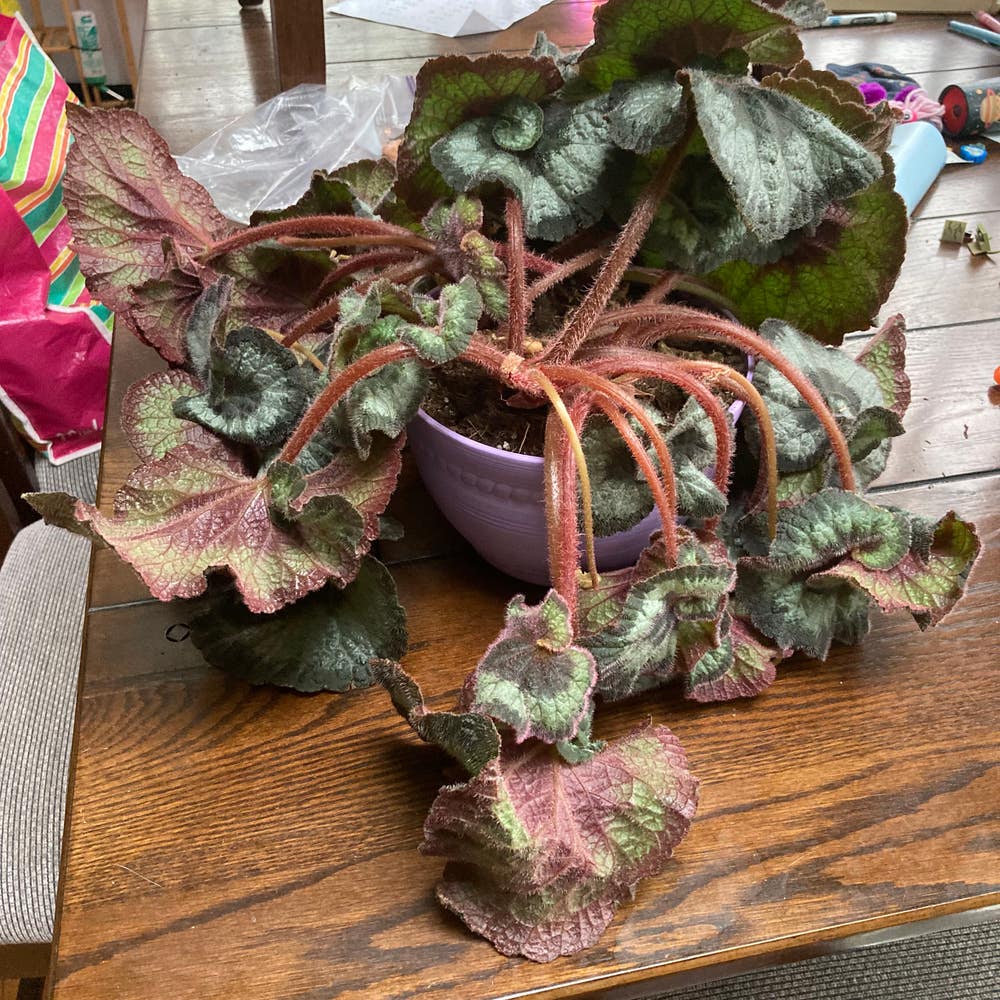
The Rex Begonia 'Escargot' is a showstopper in any garden. Its unique spiral-shaped leaves resemble snail shells, making it a fascinating focal point.
These leaves feature striking variegated patterns in shades of green and silver. This eye-catching foliage not only attracts human admirers but also draws in various herbivores.
Adding to its charm, the plant produces attractive flowers that bloom in clusters. These blooms enhance its ornamental value, making it even more appealing to curious animals.
In essence, the Rex Begonia 'Escargot' is a visual feast that can easily catch the attention of local wildlife. Understanding its allure helps gardeners anticipate potential threats from hungry herbivores.
As we explore the common herbivores that might target this beauty, it’s essential to recognize the plant's captivating features that make it a target.
Common Herbivores Affecting Rex Begonia 'Escargot'
🦌 Deer
Signs of Presence
Look for distinct hoof prints in your garden soil. Dark, pellet-like droppings near your Rex Begonia 'Escargot' are also telltale signs.
Type of Damage Caused
Deer often browse on leaves, leaving them stripped or with ragged edges. Repeated feeding can stunt the plant's growth significantly.
Beneficial vs. Harmful Interaction
Generally, deer interactions are harmful. If not managed, they can decimate your plant populations.
Deterrent Methods
To keep deer at bay, consider installing 8-foot tall fencing. You can also use commercial deer repellents or homemade solutions like garlic spray.
🐇 Rabbits
Signs of Presence
Rabbits leave behind clean cuts on the edges of leaves. You may also spot small, round pellets scattered around the base of your plants.
Type of Damage Caused
These critters can cause severe leaf loss, leading to plant stress and reduced vigor.
Beneficial vs. Harmful Interaction
Rabbits are generally harmful, especially to young plants. Their feeding habits can significantly damage your garden.
Deterrent Methods
Netting is an effective way to cover your plants and prevent rabbit access. You can also use organic repellents, such as sprays made from hot pepper or predator urine.
🐿️ Squirrels
Signs of Presence
Look for gnaw marks on leaves and stems, as well as nests visible in nearby trees or shrubs.
Type of Damage Caused
Squirrels often remove leaves for nesting material, leading to noticeable leaf damage.
Beneficial vs. Harmful Interaction
While squirrels can disrupt plant health, they also aerate the soil. However, they are generally considered harmful.
Deterrent Methods
Use scare tactics like reflective objects or noise-making devices to deter squirrels. Humane traps can also help relocate them.
🐦 Birds
Signs of Presence
Peck marks on leaves indicate bird activity, along with visible nests in nearby trees or shrubs.
Type of Damage Caused
Birds can cause seed and flower damage by eating seeds and pecking at flowers.
Beneficial vs. Harmful Interaction
Bird interactions are mixed; some birds are beneficial pollinators, while others can cause damage.
Deterrent Methods
Using decoys like plastic owls can help scare birds away. Hanging shiny objects can also deter them effectively.
🐭 Rodents (Mice, Voles)
Signs of Presence
Look for small burrows or trails in the soil, along with small, dark pellets near the plant base.
Type of Damage Caused
Rodents can gnaw on roots, leading to significant plant stress.
Beneficial vs. Harmful Interaction
Rodents are generally harmful, as they can cause considerable damage to your plants.
Deterrent Methods
Consider using snap traps or live traps for humane removal. Encouraging natural predators like owls or hawks can also help manage rodent populations.
🦡 Groundhogs/Woodchucks
Signs of Presence
Groundhogs leave large burrows near your plants and distinctive gnaw marks on stems and leaves.
Type of Damage Caused
These animals can cause extensive damage, often stripping plants of foliage completely.
Beneficial vs. Harmful Interaction
Groundhogs are generally harmful and can devastate garden areas.
Deterrent Methods
Burying fencing underground can prevent burrowing. You might also try commercial or homemade repellents to deter groundhogs.
Understanding these common herbivores and their impacts on your Rex Begonia 'Escargot' can help you take proactive measures. With the right deterrents, you can protect your plants and enjoy their beauty for years to come.
Beneficial Animals and Ecosystem Roles
🐞 Description of Beneficial Insects and Animals
In your garden, beneficial insects play a crucial role. Pollinators like bees and butterflies are drawn to the vibrant flowers of your Rex Begonia 'Escargot', helping to ensure a bountiful bloom.
Predatory insects, such as ladybugs and lacewings, are nature's pest controllers. They feast on aphids and other harmful pests, keeping your plants healthy and thriving.
🌱 Positive Impacts on the Garden Ecosystem
The presence of these beneficial creatures enhances pollination. This leads to better fruit and seed production, which is essential for a flourishing garden.
Moreover, natural pest control reduces the need for chemical interventions. By fostering a balanced ecosystem, you create a healthier environment for your plants and the wildlife around them.
Encouraging beneficial animals not only supports your Rex Begonia 'Escargot' but also contributes to a vibrant garden ecosystem. As you nurture these allies, you’ll find that your garden becomes a sanctuary for both plants and wildlife.
Next, let's explore some general strategies for protecting your Rex Begonia 'Escargot' from potential threats.
General Strategies for Protecting Rex Begonia 'Escargot'
🛡️ Preventive Measures
To keep your Rex Begonia 'Escargot' safe from hungry herbivores, consider installing fencing. A sturdy barrier can effectively deter many animals from accessing your prized plant.
Companion planting is another smart strategy. By placing plants that naturally repel herbivores nearby, you can create a protective environment for your begonia.
⚠️ Reactive Solutions
If you notice damage, act quickly by removing affected leaves. This not only tidies up the plant but also encourages new growth.
Treating damaged plants with organic fertilizers can help them recover. These nutrients boost resilience, allowing your begonia to bounce back stronger.
🌱 Seasonal Variations in Animal Attraction and Behavior
Be aware that animal activity fluctuates with the seasons. In spring, many creatures emerge from hibernation, increasing the likelihood of encounters with your plants.
As fall approaches, animals begin foraging for food, making them more likely to target your begonias. Staying vigilant during these times can help protect your garden effectively.
With these strategies in place, you can enjoy the beauty of your Rex Begonia 'Escargot' while minimizing the risk of damage from wildlife. Next, let’s explore the toxicity and safety considerations related to this stunning plant.
Toxicity and Safety
🐾 Discussion of Toxic Effects on Animals
Rex Begonia 'Escargot' has mild toxicity, which can lead to gastrointestinal upset in herbivores. While not life-threatening, it's essential to be aware of this potential risk when planning your garden.
🦙 Implications for Herbivores and Garden Safety
Monitoring animal interactions with your plants is crucial to prevent harm. Educating yourself and others about safe handling and plant placement can help create a safer environment for both your garden and local wildlife.
By being proactive, you can enjoy the beauty of your Rex Begonia 'Escargot' while keeping your garden ecosystem balanced and healthy.
⚠️ Safety First
This content is for general information and may contain errors, omissions, or outdated details. It is not medical, veterinary advice, or an endorsement of therapeutic claims.
Always consult a qualified healthcare professional before using any plant as food, medicine, or supplement.
Never eat any plant (or feed one to pets) without confirming its identity with at least two trusted sources.
If you suspect poisoning, call Poison Control (800) 222-1222, the Pet Poison Helpline (800) 213-6680, or your local emergency service immediately.
Spotted an error? Please report it here.
Safeguard your gorgeous Rex Begonia 'Escargot' from herbivores with Greg's tailored care tips 🛡️, ensuring it thrives beautifully in your garden!