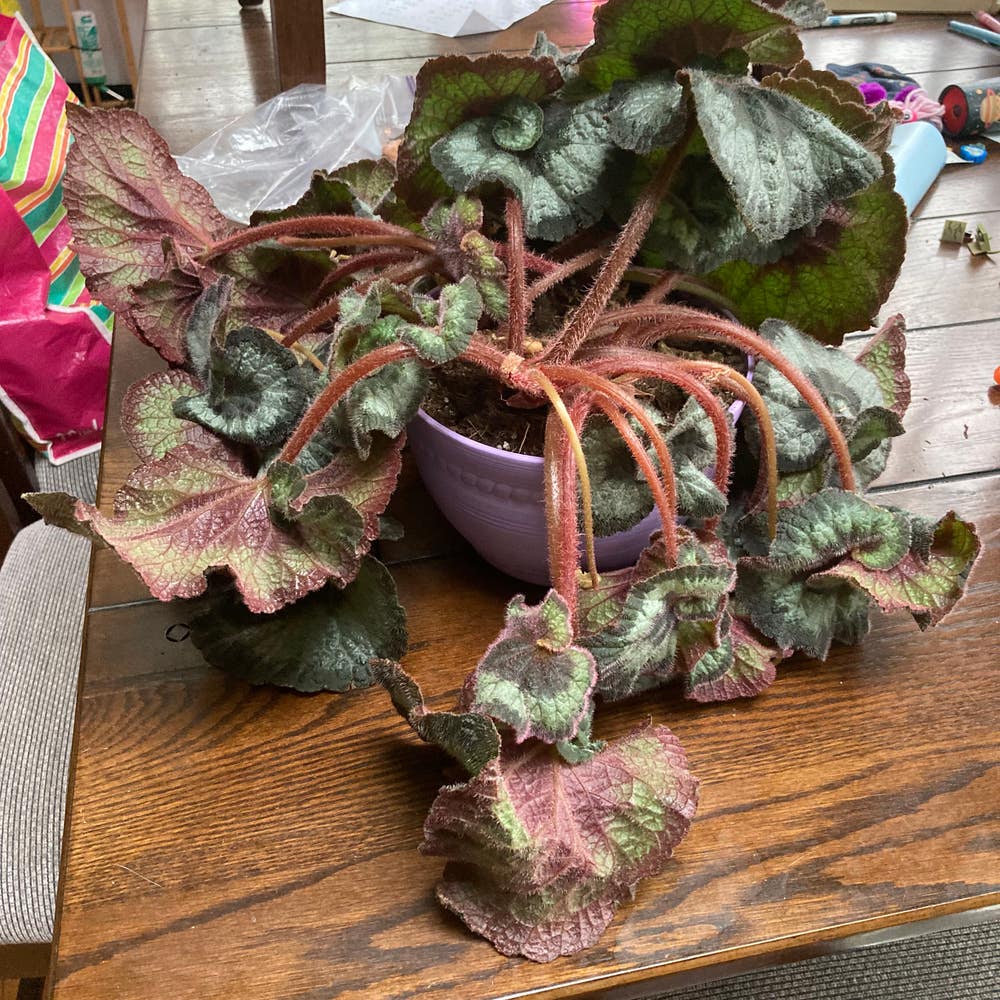
🐌 What To Do About Bugs on My Rex Begonia 'Escargot'?
Begonia 'Escargot'
By the Greg Editorial Team
Jun 18, 2024•3 min read
This article was created with the help of AI so we can cover more plants for you. May contain errors. See one? Report it here.
Protect your 'Escargot' 🐌 from uninvited bugs 🐜 with our expert pest-busting tips!
- Spider mites and scale insects: Combat with neem oil or alcohol swabs.
- Fungus gnats signal overwatering; use sticky traps and water wisely.
- Regular inspections and quarantine new plants to prevent pest infestations.
Spotting the Culprits: Common Pests on Rex Begonia 'Escargot'
🕷️ Spider Mites
Signs of Infestation
Tiny yellow spots and fine webbing on your 'Escargot' leaves? Spider mites are likely the culprits. These pests are small but their damage is not—look out for stippled leaves that seem to have lost their vigor.
Combat Strategies
Neem oil and insecticidal soaps are your go-to weapons. Boosting humidity can also deter these pests; they despise a moist environment. Regular misting might just save your plant's life.
🦟 Scale Insects
Identifying Scale
Those sneaky bumps on stems and leaves? Say hello to scale insects. They blend in deceptively well, but their presence can wreak havoc on your plant's health.
Eradication Tactics
Alcohol swabs can be a quick fix—just swipe and say goodbye. For a more thorough approach, horticultural oil can clear out an infestation. Remember, consistency is key in the battle against scale.
🦟 Fungus Gnats and Fruit Flies
Spotting the Flyers
If you see tiny gnats buzzing around or larvae in the soil, it's time to act. Fungus gnats love over-moist soil, so they're a sign you might be overdoing the water.
Prevention and Control
Cutting back on watering can make your soil less inviting to these pests. Sticky traps are also effective for catching the adults. Keep the soil on the drier side and these pests should buzz off.

Less Frequent Foes: Other Pests to Watch Out For
🐛 Mealybugs
White, cottony masses on your 'Escargot' are a dead giveaway: mealybugs have moved in. These pests are like unwanted squatters, sucking the life juices from your plant.
Isolate the affected plant to prevent a full-blown infestation. Grab a cotton swab, dip it in rubbing alcohol, and go to town on those mealybugs. For larger colonies, insecticidal soaps or neem oil can be effective.
🐜 Thrips and Aphids
Thrips leave silvery trails on leaves, while aphids are tiny, greedy sap-suckers. Both are bad news for your 'Escargot'.
To combat these pests, insecticidal soaps or neem oil sprays are your best bet. Consistency is crucial—apply treatments weekly. Introducing predators like ladybugs can also help keep these pests in check.
Remember, a keen eye and prompt action are essential in keeping your Rex Begonia 'Escargot' healthy and bug-free.

Fortifying Your 'Escargot': Prevention and Early Intervention
🔍 Inspection Routines: The First Line of Defense
Regular check-ups are like a secret service detail for your 'Escargot'. Spot pests before they throw a party on your plant. Isolate the crashers immediately to stop them from mingling with the rest of your green guests.
💨 Environmental Control: Air Flow and Watering Wisdom
Airflow is the unsung hero, keeping fungal raves at bay. Ensure your 'Escargot' isn't suffocating; a good breeze is like a breath of fresh air for your plant's health. When it comes to watering, think Goldilocks: not too much, not too little. Consistent moisture is key, but avoid waterlogged soil like a bad habit.
🚷 Quarantine for Newcomers: Keeping Infestations at Bay
New plants should come with a 'handle with care' sign. Quarantine these potential Trojan horses for a couple of weeks. Inspect them like a hawk during this time; any hitchhiking pests will thank you for the free ride into your garden otherwise.

⚠️ Safety First
This content is for general information and may contain errors, omissions, or outdated details. It is not medical, veterinary advice, or an endorsement of therapeutic claims.
Always consult a qualified healthcare professional before using any plant as food, medicine, or supplement.
Never eat any plant (or feed one to pets) without confirming its identity with at least two trusted sources.
If you suspect poisoning, call Poison Control (800) 222-1222, the Pet Poison Helpline (800) 213-6680, or your local emergency service immediately.
Spotted an error? Please report it here.
Ensure your Rex Begonia 'Escargot' remains resilient 🛡️ against pests by leveraging Greg's custom care reminders and expert community advice for early detection and effective treatment.