Rex Begonia 'Escargot' Is Not an Annual 🐌
Begonia 'Escargot'
By the Greg Editorial Team
Sep 28, 2024•6 min read
This article was created with the help of AI so we can cover more plants for you. May contain errors. See one? Report it here.
Unlock the beauty and resilience of Rex Begonia 'Escargot' for a stunning, perennial garden! 🌱
- 🌱 Rex Begonia 'Escargot' is a perennial, thriving year after year with proper care.
- 🌞 Its unique spiral leaves enhance photosynthesis, maximizing growth in various conditions.
- 🌿 Understanding its growth phases is key to maintaining 'Escargot's' long-term health.
Rex Begonia 'Escargot' as a Perennial
🧬 Genetic Characteristics
Rex Begonia 'Escargot' boasts a unique chromosomal structure that supports its classification as a perennial. This genetic makeup allows it to thrive year after year, adapting to various environmental conditions.
The plant's genetic resilience is remarkable. It has developed adaptations that enable it to survive through challenging seasons, ensuring its longevity in gardens.
🍃 Physiological Traits
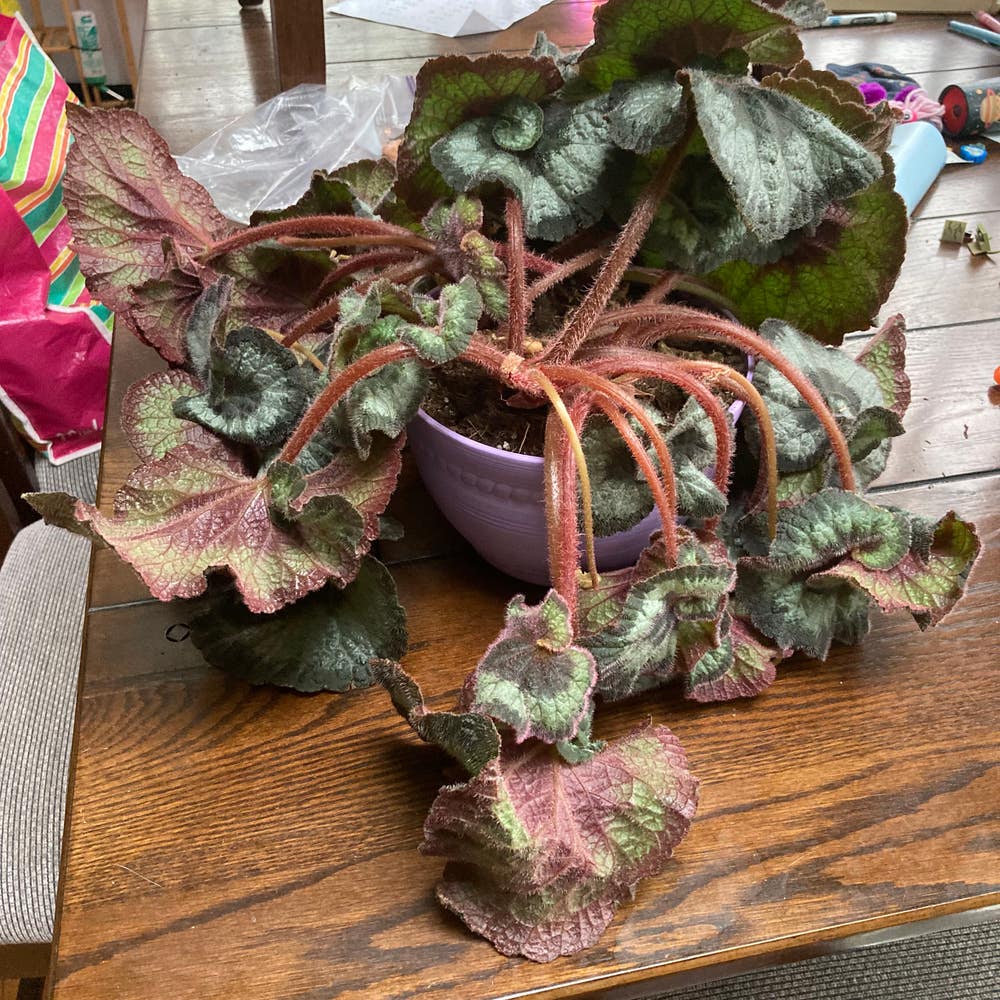
One of the standout features of 'Escargot' is its leaf structure. The unique spiral pattern not only captivates the eye but also plays a crucial role in photosynthesis, maximizing light absorption.
Additionally, the root system of this begonia is robust. It develops a strong network that stores nutrients, providing the plant with the resources it needs to flourish throughout its lifecycle.
📈 Long-term Lifecycle and Growth Patterns
Understanding the growth phases of Rex Begonia 'Escargot' is essential. It experiences active growth, dormancy, and regrowth, each phase contributing to its perennial nature.
Environmental factors significantly influence its seasonal behavior. Changes in temperature and light can trigger growth cycles, making it adaptable to varying conditions throughout the year.
This adaptability not only enhances its appeal but also makes it a resilient choice for gardeners looking to incorporate perennials into their landscapes.
As we explore the lifecycle comparison next, we’ll delve into how 'Escargot' stacks up against true annuals, highlighting its unique growth attributes.
Lifecycle Comparison
Lifecycle vs True Annuals 🌱
Rex Begonia 'Escargot' showcases a lifecycle that distinctly sets it apart from true annuals. Unlike annuals, which complete their lifecycle in a single growing season, 'Escargot' thrives over multiple years, allowing it to develop a more complex growth pattern.
The duration of its lifecycle includes active growth phases, dormancy, and eventual regrowth. This multi-year cycle enables the plant to adapt to varying environmental conditions, ensuring its survival and vitality.
Stages of Development 🌿
When comparing stages of development, 'Escargot' exhibits significant differences in germination and maturity. While annuals germinate quickly and mature within a few months, 'Escargot' takes its time, establishing a robust root system before fully developing its unique foliage.
This slower maturation process contributes to its resilience and ability to thrive in diverse conditions. Understanding these stages helps gardeners appreciate the plant's long-term potential.
Flowering and Seed Production 🌼
The flowering cycles of Rex Begonia 'Escargot' further illustrate its perennial nature. Unlike annuals that bloom profusely in a single season, 'Escargot' produces flowers intermittently, allowing for a more extended display throughout the growing season.
Seed production in 'Escargot' is another fascinating aspect. The plant generates seeds as part of its reproductive strategy, ensuring its lineage continues while also providing opportunities for propagation.
This unique approach to flowering and seed generation highlights the adaptability and longevity of Rex Begonia 'Escargot', making it a valuable addition to any garden.
As we explore regional variations and misconceptions, we’ll uncover why this remarkable plant is often misunderstood.
Regional Variations and Misconceptions
Conditions Leading to Annual Treatment 🌱
Rex Begonia 'Escargot' is often misclassified as an annual due to environmental factors. Harsh winters can severely impact its survival, leading gardeners to treat it as a temporary plant.
Cultural practices also play a significant role in this misclassification. Improper care, such as inadequate winter protection or neglect during dormancy, can result in the plant's decline, reinforcing the notion that it is an annual.
Common Misconceptions 🤔
Many people misunderstand the perennial nature of Rex Begonia 'Escargot'. This confusion often arises from its sensitivity to environmental conditions, leading to the assumption that it cannot survive beyond a single growing season.
Addressing these misconceptions is crucial. By clarifying the plant's care requirements and lifespan, gardeners can better appreciate its potential as a long-term addition to their gardens.
Understanding these factors can transform how we approach the care and cultivation of this unique begonia. With the right knowledge, you can ensure that your Rex Begonia 'Escargot' thrives season after season.
As we delve deeper into gardening implications, consider how this plant can enhance your garden design.
Gardening Implications
🌼 Advantages in Garden Design
Rex Begonia 'Escargot' brings a striking aesthetic to any garden with its unique spiral leaf pattern and vibrant colors. This perennial not only adds visual interest but also creates a dynamic focal point that changes with the seasons.
Incorporating perennials like 'Escargot' into your garden layout offers longevity. Unlike annuals, which require replanting each year, these plants return season after season, providing a stable foundation for your garden design.
🌱 Planning for Perennial Growth
When integrating Rex Begonia 'Escargot' into perennial beds, consider its growth habits and spacing needs. Position it where it can thrive without overcrowding, allowing its distinctive foliage to shine.
Timing is crucial for planting and maintenance. Aim to plant in spring after the last frost, and keep an eye on seasonal changes to ensure your Begonias receive the care they need throughout their lifecycle.
By understanding these gardening implications, you can create a vibrant, sustainable garden that showcases the beauty of Rex Begonia 'Escargot' while enjoying the benefits of perennial growth.
Management Tips
Best Practices for Perennial Care 🌱
Maintaining Rex Begonia 'Escargot' requires a thoughtful approach to care. Start with a fertilization schedule that aligns with its growth phases, typically feeding every 4-6 weeks during the active growing season.
Pruning is equally important. Regularly trim dead or damaged leaves to encourage healthy growth and vibrant flowering. This not only enhances the plant's appearance but also promotes better air circulation.
Seasonal Considerations 🌸
As spring approaches, watch for signs of regrowth. New leaves emerging from the soil indicate it's time to resume regular watering and fertilization.
In the fall, prepare your Rex Begonia for dormancy. Reduce watering and consider mulching to protect the roots from harsh winter conditions. This proactive approach ensures a strong comeback in spring.
Strategies for Enhancing Growth 🚀
Light is crucial for vibrant foliage. Aim for bright, indirect sunlight to keep your Rex Begonia thriving and colorful.
Pest management is another key aspect of care. Regularly inspect your plant for common pests like aphids and spider mites. Implement preventive measures, such as neem oil, to keep these nuisances at bay.
With these management tips, your Rex Begonia 'Escargot' will flourish, adding beauty to your garden year after year. Next, let's explore the gardening implications of incorporating this stunning perennial into your landscape.
⚠️ Safety First
This content is for general information and may contain errors, omissions, or outdated details. It is not medical, veterinary advice, or an endorsement of therapeutic claims.
Always consult a qualified healthcare professional before using any plant as food, medicine, or supplement.
Never eat any plant (or feed one to pets) without confirming its identity with at least two trusted sources.
If you suspect poisoning, call Poison Control (800) 222-1222, the Pet Poison Helpline (800) 213-6680, or your local emergency service immediately.
Spotted an error? Please report it here.
Rex Begonia 'Escargot' is a resilient perennial that thrives year after year, and with Greg's custom care reminders 📅, you can nurture its vibrant growth and enjoy its beauty season after season!