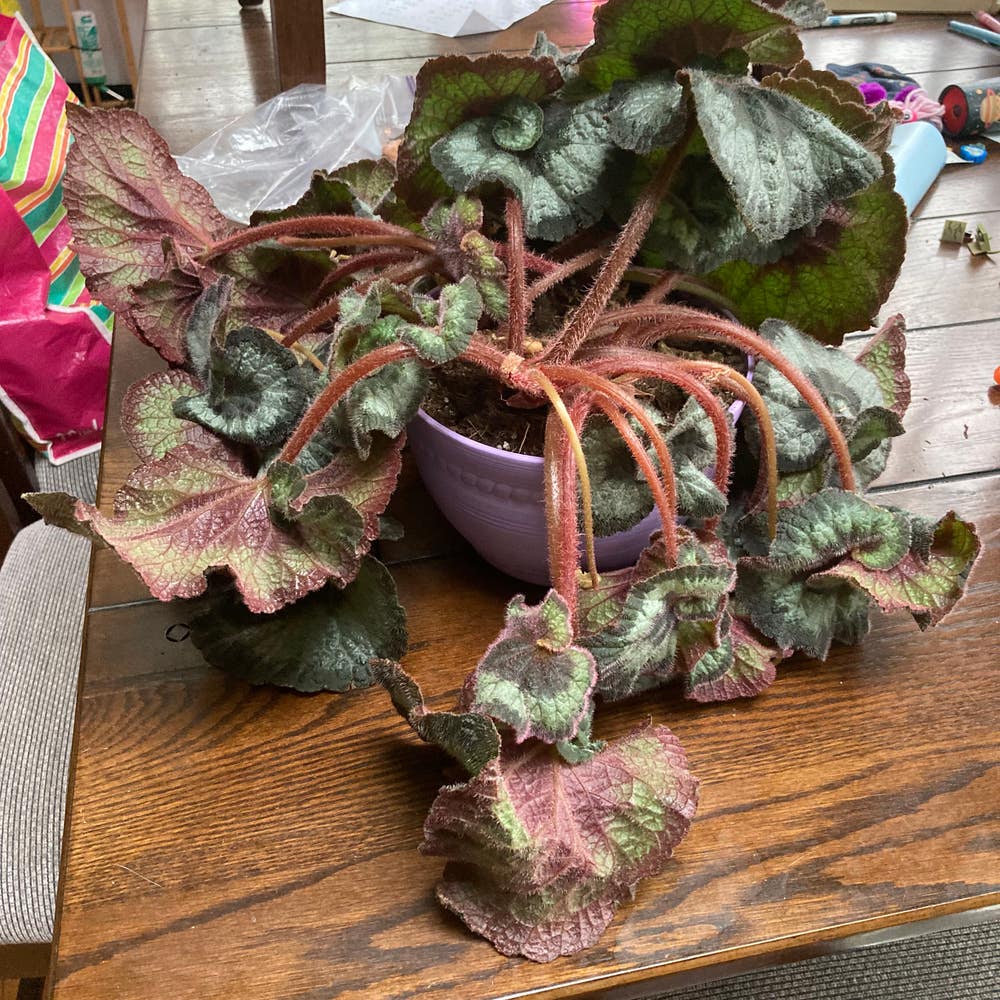
8 Tips for How to Plant Rex Begonia 'Escargot' 🐌
Begonia 'Escargot'
By the Greg Editorial Team
Sep 28, 2024•4 min read
This article was created with the help of AI so we can cover more plants for you. May contain errors. See one? Report it here.
Unlock a vibrant garden with thriving Rex Begonia 'Escargot' by mastering essential planting tips! 🌱
- 🌱 Plant Rex Begonia 'Escargot' in spring for optimal growth and health.
- 💧 Use well-draining soil and pots with drainage holes to prevent waterlogging.
- 🌞 Provide indirect sunlight and maintain humidity for thriving plants.
Planting New Rex Begonia 'Escargot'
🌱 Optimal Timing for Planting
Spring or early summer is the best time to plant your Rex Begonia 'Escargot.' During these seasons, temperatures are consistently warm, promoting healthy growth.
Be mindful of your local climate; avoid planting during frost or extreme heat to ensure your plants thrive.
🪴 Selecting the Right Soil Mix and Containers
For optimal growth, use a well-draining, rich soil mix that contains high organic matter. This ensures your Rex Begonia gets the nutrients it needs without becoming waterlogged.
Choose pots with drainage holes to prevent root rot. A size of 6-8 inches is ideal for young plants, allowing them enough space to grow.
📏 Proper Depth and Spacing for Planting
When planting, ensure the crown of the begonia is level with the soil surface. This helps the plant establish itself effectively.
Space your plants 12-18 inches apart to allow for optimal growth and airflow, preventing overcrowding.
☀️ Maintaining Ideal Growing Conditions
Rex Begonias thrive in indirect sunlight or partial shade. Too much direct sunlight can scorch their leaves, so find a balance.
Humidity is crucial; aim for levels between 50-70%. Additionally, keep temperatures between 20°C to 25°C (68°F to 77°F) for the best results.
🌳 Hardening Off Process Before Outdoor Planting
Before moving your Rex Begonia outdoors, it's essential to harden them off. This process gradually acclimates the plants to their new environment.
- Start indoors for 1-2 weeks.
- Gradually expose them to outdoor conditions for 1-2 hours daily.
- Increase exposure time over the course of a week.
This method helps reduce transplant shock and ensures a smoother transition to outdoor life.
By following these steps, you'll set your Rex Begonia 'Escargot' up for success, paving the way for a vibrant display in your garden. Next, let's explore how to transplant established Rex Begonias effectively.
Transplanting Established Rex Begonia 'Escargot'
🌱 Optimal Timing for Transplanting
Transplant your Rex Begonia 'Escargot' in early spring or fall. This timing is ideal when the plant is not actively growing, ensuring a smoother transition.
🛠️ Step-by-Step Instructions for Transplanting
- Prepare the new planting site: Ensure it has well-draining soil similar to the original conditions.
- Remove the plant: Gently loosen the soil around the roots to minimize damage.
- Lift the plant: Support the base carefully to avoid breaking any stems.
- Place in the new site: Make sure to maintain proper depth and spacing for healthy growth.
🌿 Preparing the New Planting Site
Before transplanting, amend the soil with organic matter if needed. This enhances nutrient availability and promotes healthy root development.
📏 Space Requirements for Established Plants
Space your Rex Begonia 'Escargot' at least 12-18 inches apart. This distance allows for adequate growth and prevents overcrowding.
💧 Tips on Watering, Mulching, and Support
After transplanting, water thoroughly to help settle the soil. Maintain consistent moisture to support recovery.
- Mulching: Apply a thin layer of mulch to retain moisture and suppress weeds.
- Support: Use stakes if your plants become taller to prevent them from toppling over.
With these steps, your Rex Begonia 'Escargot' will thrive in its new home. Next, let’s explore how to troubleshoot common issues that may arise during this process.
Troubleshooting Common Issues
🌱 Identifying Transplant Shock
Transplant shock can be a real bummer for your Rex Begonia 'Escargot'. Look out for symptoms like wilting, yellowing leaves, and stunted growth, which usually appear within the first few weeks after moving your plant.
🛠️ Solutions for Establishment Problems
To combat establishment problems, focus on water management. Avoid overwatering and ensure your pot has proper drainage to keep roots healthy.
Nutrient support is also crucial. After a few weeks, consider using a balanced fertilizer to give your plant the boost it needs.
🌿 General Care Tips for Newly Planted or Transplanted Rex Begonia 'Escargot'
Monitoring humidity levels is essential for your Rex Begonia's well-being. Use a humidity tray or mist the leaves if necessary to maintain that ideal moisture.
Regular inspection is key to catching any pests or diseases early. Keeping an eye on your plant will help you address issues before they escalate, ensuring your Rex Begonia thrives.
With these tips, you'll be well-equipped to nurture your Rex Begonia 'Escargot' through its initial challenges. Next, let’s explore how to keep your plant flourishing in its new home!
⚠️ Safety First
This content is for general information and may contain errors, omissions, or outdated details. It is not medical, veterinary advice, or an endorsement of therapeutic claims.
Always consult a qualified healthcare professional before using any plant as food, medicine, or supplement.
Never eat any plant (or feed one to pets) without confirming its identity with at least two trusted sources.
If you suspect poisoning, call Poison Control (800) 222-1222, the Pet Poison Helpline (800) 213-6680, or your local emergency service immediately.
Spotted an error? Please report it here.
Plant your Rex Begonia 'Escargot' with confidence 🌿 by using Greg's tailored reminders and care tips to create the ideal environment for thriving growth!