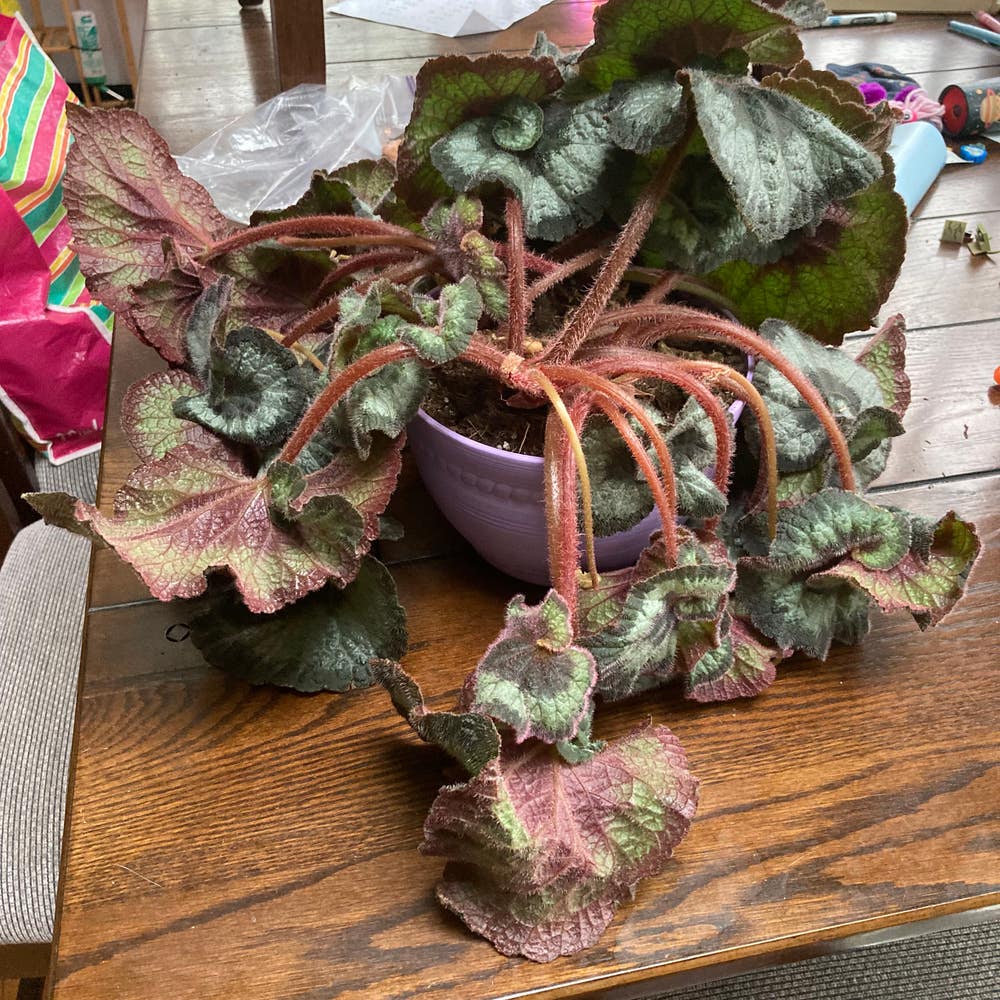
🐝 How and When to Pollinate Rex Begonia 'Escargot'
Begonia 'Escargot'
By the Greg Editorial Team
Sep 28, 2024•5 min read
This article was created with the help of AI so we can cover more plants for you. May contain errors. See one? Report it here.
Boost your garden's beauty and biodiversity 🌸 by mastering the art of Rex Begonia 'Escargot' pollination!
- 🌸 Rex Begonia 'Escargot' blooms attract pollinators like bees and butterflies for cross-pollination.
- 🌱 Self-pollination ensures seed production, promoting plant vigor even without external help.
- 🐝 Creating a pollinator-friendly garden boosts pollination success and supports ecosystem health.
Flower Structure
Description of Flower Characteristics 🌸
Rex Begonia 'Escargot' showcases stunning bell-shaped blooms with overlapping petals. These flowers predominantly feature pink or white hues, making them irresistible to a variety of pollinators.
The flowers grow in clusters, which not only enhances their visibility but also increases their appeal to visiting pollinators. This arrangement is crucial for attracting the right species to facilitate effective pollination.
Role in Pollination 🐝
The reproductive structures of these flowers allow for self-pollination, meaning they can fertilize themselves. However, cross-pollination is where the magic happens, enhancing genetic diversity and resilience.
The strategic arrangement of stamens and pistils in the flowers makes it easier for pollen to transfer between blooms. This natural design ensures that Rex Begonia 'Escargot' can thrive and adapt in various environments.
As we delve deeper into the pollination process, understanding these flower characteristics will help you appreciate the intricate relationships between plants and their pollinators.
Pollination Process
Self-Pollination Mechanism 🌼
Rex Begonia 'Escargot' has a fascinating self-pollination mechanism. Pollen from the stamens fertilizes the ovules within the same flower, ensuring reproduction even in the absence of external pollinators.
This method not only guarantees seed production but also enhances seed viability and plant vigor. It’s a reliable strategy that allows these beautiful plants to thrive.
Cross-Pollination and Pollinator Species 🐝
While self-pollination is effective, cross-pollination takes the cake for genetic diversity. Primary pollinators like bees, butterflies, moths, and hummingbirds play a crucial role in this process.
These pollinators are attracted to the colorful blooms and sweet nectar of the Rex Begonia 'Escargot'. Their visits facilitate the transfer of pollen between flowers, leading to healthier and more resilient offspring.
Understanding these pollination processes can help you appreciate the intricate relationships between plants and their pollinators. Next, we’ll explore natural pollination mechanisms that further enhance this beautiful cycle.
Natural Pollination Mechanisms
🌬️ Pollen Transfer
Pollination in Rex Begonia 'Escargot' relies on both wind and insect activity. These mechanisms efficiently transfer pollen from the anthers to the stigma, ensuring successful fertilization.
The process is vital for reproduction. It leads to seed production and enhances genetic diversity, which is crucial for the plant's adaptability.
🌱 Importance for Reproduction
Cross-pollination plays a significant role in increasing genetic variation. This diversity boosts the plant's resilience against diseases and environmental changes.
Moreover, successful pollination is essential for seed formation. Seeds are the foundation for propagation, allowing Rex Begonia 'Escargot' to thrive and spread.
Understanding these natural mechanisms not only enriches your gardening experience but also highlights the importance of supporting pollinators. Next, we’ll explore how to effectively hand pollinate these beautiful begonias.
Hand Pollination Techniques
Hand pollination can be a rewarding way to ensure the success of your Rex Begonia 'Escargot.' Here’s a straightforward guide to help you through the process.
📝 Step-by-Step Instructions
Identify Male and Female Flower Parts:
Start by locating the male parts, known as anthers, which produce pollen. The female part, called the stigma, is where the pollen needs to land.Collecting Pollen:
Use a small brush or a cotton swab to gently gather pollen from the anthers. This step is crucial for ensuring you have enough pollen for effective transfer.Transferring Pollen:
Carefully apply the collected pollen to the stigma of the same flower or another flower. This transfer is what facilitates fertilization.Timing:
The best time to perform hand pollination is in the morning when the flowers are fully open. This maximizes your chances of successful pollination.
🌱 Why Hand Pollination Matters
Hand pollination not only boosts seed production but also enhances the genetic diversity of your plants. By taking this extra step, you contribute to the overall health and vigor of your Rex Begonia 'Escargot.'
💭 Final Thoughts
Engaging in hand pollination can deepen your connection with your plants. It’s a simple yet impactful way to ensure they thrive, especially in environments where natural pollinators may be scarce.
Next, let’s explore how to create a pollinator-friendly environment to support these beautiful begonias even further.
Supporting Pollinators
🌼 Creating a Pollinator-Friendly Environment
To support the pollination of Rex Begonia 'Escargot', start by incorporating a variety of flowering plants. This diversity attracts different pollinator species, ensuring a bustling ecosystem around your begonias.
Avoid using pesticides whenever possible. Organic methods not only protect pollinators but also promote a healthier garden environment.
🌸 Companion Plants
Consider planting companions like lavender, marigolds, and bee balm. These flowers are known to attract bees and butterflies, enhancing the overall pollination success of your begonias.
The benefits of companion planting extend beyond aesthetics; they create a vibrant habitat that encourages pollinator visitation. By fostering this environment, you contribute to the health and vitality of your Rex Begonia 'Escargot'.
With a little effort, you can create a thriving garden that supports both your plants and the essential pollinators that help them flourish. Next, let’s explore some common pollination challenges and how to overcome them.
Pollination Challenges
Common Obstacles 🐝
Pollination can be tricky for Rex Begonia 'Escargot' due to several common obstacles. Environmental factors, such as temperature fluctuations and humidity levels, can significantly impact pollination success.
Urban areas often face another challenge: a lack of natural pollinators. Without bees, butterflies, and other pollinators, the chances of effective cross-pollination diminish.
Solutions for Overcoming Challenges 🌼
Fortunately, there are effective strategies to enhance pollination. First, maintaining optimal humidity and temperature is crucial for the health of your Rex Begonia 'Escargot'.
Additionally, attracting pollinators can be achieved by incorporating companion plants. By creating habitats that encourage pollinator visitation, you can significantly boost the chances of successful pollination.
With these adjustments, you can help ensure your begonias thrive and produce seeds, contributing to a vibrant garden ecosystem.
⚠️ Safety First
This content is for general information and may contain errors, omissions, or outdated details. It is not medical, veterinary advice, or an endorsement of therapeutic claims.
Always consult a qualified healthcare professional before using any plant as food, medicine, or supplement.
Never eat any plant (or feed one to pets) without confirming its identity with at least two trusted sources.
If you suspect poisoning, call Poison Control (800) 222-1222, the Pet Poison Helpline (800) 213-6680, or your local emergency service immediately.
Spotted an error? Please report it here.
Unlock the full potential of your Rex Begonia 'Escargot' with expert pollination tips 🌱 from Greg, ensuring a vibrant garden that attracts pollinators and thrives in harmony!