🐌 How and When Should I Cut Back My Rex Begonia 'Escargot'?
Begonia 'Escargot'
By the Greg Editorial Team
Jun 18, 2024•4 min read
This article was created with the help of AI so we can cover more plants for you. May contain errors. See one? Report it here.
Trim your 'Escargot' for lush growth and stunning form—discover when and how! 🌿✂️
- 🌱 Prune in early spring for growth and vitality, watching for new leaves.
- ✂️ Use sharp, sterilized shears to shape and remove unhealthy foliage.
- 🚫 Avoid over-pruning; if it happens, reduce watering and care for recovery.
Timing Your Trims: When to Prune Your 'Escargot'
Pruning isn't just a chop job; it's strategic timing for your Rex Begonia 'Escargot' to thrive.
🌱 Seasonal Smarts: Best Seasons for Pruning
Spring is your go-to season. It's like hitting the reset button as your plant shakes off its winter slumber. Early spring, to be precise, is when you should have your shears at the ready.
🌿 Growth Cues: Identifying the Right Time to Cut Back
Watch for new leaves and a general uptick in plant mojo. These signs are your green light to get snippy. It's about encouraging robust growth, not just keeping up appearances.
🌼 Plant Lifecycle: Understanding Dormancy and Active Growth
Get this: pruning when your plant is dormant is like sending a text to someone who's asleep. Pointless, right? Wait for the active growth phase, when your plant is all systems go. That's when it can handle a trim and bounce back like a champ.

The Art of the Snip: How to Prune Your 'Escargot'
🛠️ Gear Up: Choosing the Right Tools
Pruning your Rex Begonia 'Escargot' starts with sharp shears. Dull blades mangle stems, inviting disease. Opt for precision pruners or micro snips for intricate work. Sterilize your tools with rubbing alcohol to prevent spreading pests or diseases. It's like surgery; cleanliness is non-negotiable.
🎨 Technique Talk: Step-by-Step Pruning Guide
- Inspect your 'Escargot' for dead or dying leaves. These are energy vampires, sapping vitality from your plant.
- Make cuts above a leaf node or growth point. This encourages bushier growth and prevents awkward stem stubs.
- Trim any leaves that are too large or disrupt the plant's symmetry. Your 'Escargot' should be the star, not a leafy misfit.
- Remove any leaves that show signs of pests or disease immediately. It's tough love, but necessary.
- Propagate healthy cuttings if you wish. 'Escargot' can be generous with its offspring.
🌱 Aftercare Actions: Post-Pruning Plant Care
After pruning, monitor your 'Escargot' for signs of stress. New growth should emerge where you made your cuts. If not, reassess your technique. Keep the soil moist but not soggy, and provide indirect light. Your plant will need a little TLC to bounce back to its full glory. Remember, no plant thrives on neglect, so keep an eye out and show it some love.

Pruning with Purpose: Shaping and Health
🎨 Aesthetic Artist: Shaping Your 'Escargot' for Visual Appeal
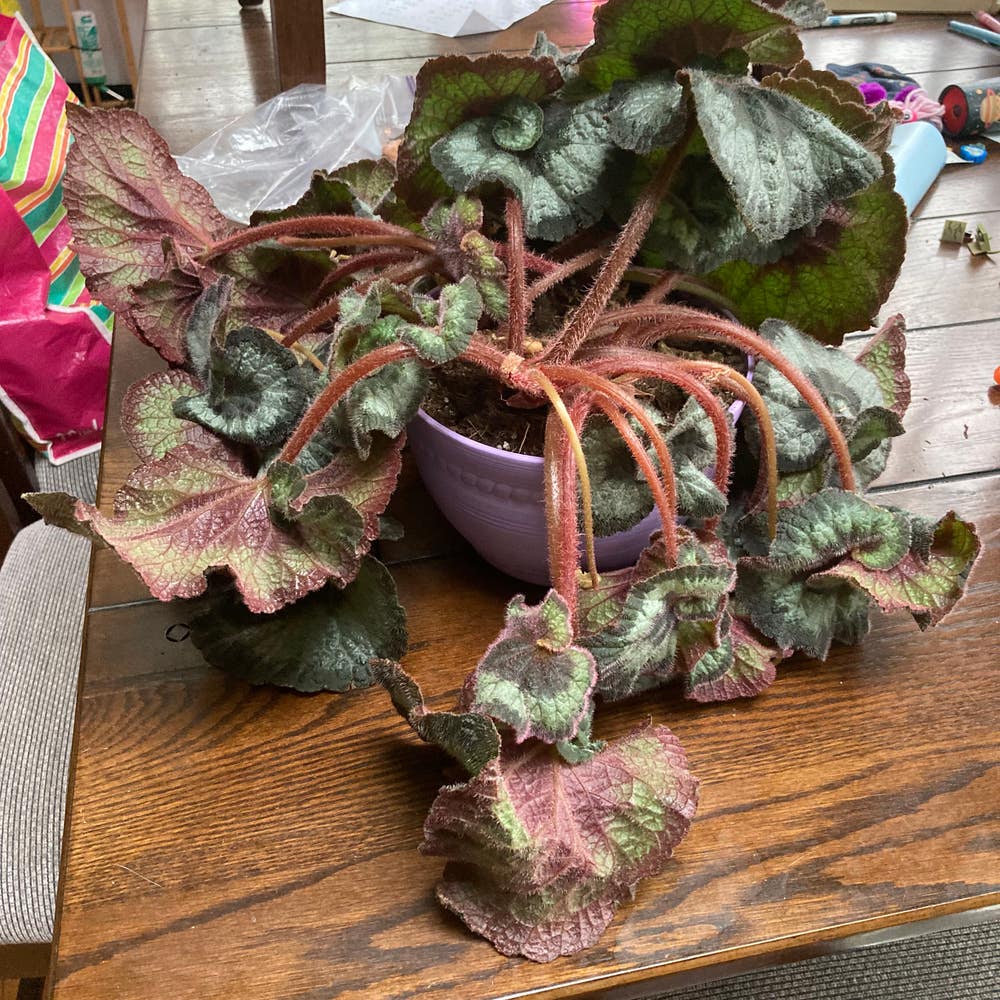
Pruning isn't just about maintenance; it's your chance to play artist with your Rex Begonia 'Escargot'. Visualize the ideal shape of your plant. Trim overgrown leaves that throw off the plant's natural spiral pattern, aiming for a balanced, harmonious look. Remember, you're enhancing its intrinsic beauty, not creating a new identity.
🏥 Health Check: Removing Unwanted Growth for Plant Vigor
Healthy growth is the goal. Inspect your 'Escargot' for any leaves that are damaged, discolored, or diseased. Snipping these away redirects the plant's energy to the flourishing foliage. It's like giving your plant a clean bill of health with every strategic cut.
📏 Size Matters: Controlling Plant Size and Encouraging Bushiness
Want a compact, bushy 'Escargot'? Prune judiciously. Cut back leggy stems to encourage denser growth. This isn't just about keeping your plant from outgrowing its space; it's about cultivating a robust, vibrant presence on your windowsill or tabletop.

Troubleshooting: Common Pruning Pitfalls and How to Avoid Them
🌿 Oops! Avoiding Common Pruning Mistakes
Pruning your Rex Begonia 'Escargot' isn't just about hacking away at foliage; precision matters. Overzealous cuts can leave your plant looking sparse and vulnerable. Remember, each snip affects the plant's future growth. To avoid the topiary equivalent of a bad haircut, cut only what's necessary—dead or damaged leaves, and the occasional trim for shape.
🚑 Damage Control: What to Do If You Over-Prune
So you got snip-happy and now your 'Escargot' looks like it's been in a bar fight. Don't panic. Over-pruned plants can recover, but they need extra care. Reduce watering slightly, as the plant has fewer leaves to support. Keep the plant in a stable environment and wait. Patience is key; your 'Escargot' will likely bounce back with time.
👀 Spotting Trouble: When to Hold Back on Pruning
Sometimes, the best pruning move is not to prune at all. If your 'Escargot' is under stress from disease, pests, or recent repotting, hold off on the pruning. Stressed plants need all their energy to recover, not to heal from fresh cuts. And if you're unsure about whether to prune or not, err on the side of caution. After all, you can always prune later, but you can't un-prune a leaf.
⚠️ Safety First
This content is for general information and may contain errors, omissions, or outdated details. It is not medical, veterinary advice, or an endorsement of therapeutic claims.
Always consult a qualified healthcare professional before using any plant as food, medicine, or supplement.
Never eat any plant (or feed one to pets) without confirming its identity with at least two trusted sources.
If you suspect poisoning, call Poison Control (800) 222-1222, the Pet Poison Helpline (800) 213-6680, or your local emergency service immediately.
Spotted an error? Please report it here.
Ensure your Rex Begonia 'Escargot' thrives with perfectly-timed pruning reminders 📅 from Greg, helping you cultivate health and beauty effortlessly.