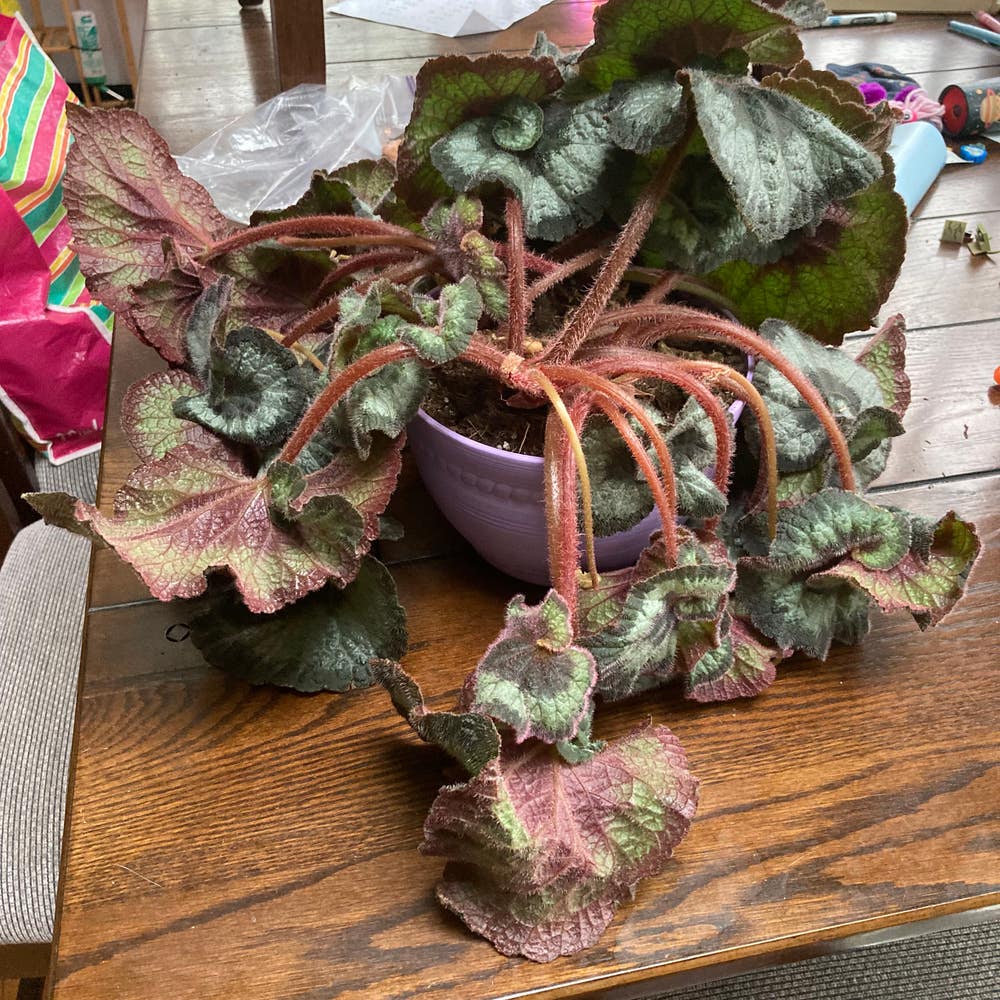
4 Outdoor Care Hacks for Rex Begonia 'Escargot' 🐌
Begonia 'Escargot'
By the Greg Editorial Team
Sep 28, 2024•6 min read
This article was created with the help of AI so we can cover more plants for you. May contain errors. See one? Report it here.
Unlock vibrant growth for your Rex Begonia 'Escargot' with essential outdoor care tips! 🌿
- 🌞 Rex Begonia 'Escargot' needs indirect sunlight; avoid leaf curling by adjusting placement.
- 💧 Keep soil consistently moist but well-draining to prevent yellowing leaves and root rot.
- 🌱 Fertilize every 4-6 weeks for optimal growth during the growing season.
Outdoor Care Essentials
🌞 Sunlight Needs and Placement
Rex Begonia 'Escargot' thrives in indirect sunlight or partial shade. For optimal growth, place it under trees or near structures that filter light.
Look out for signs of inadequate light, such as leaf curling or fading colors. These indicators suggest your plant may need a brighter spot.
💧 Watering Requirements and Techniques
Keep the soil consistently moist but avoid sogginess. A moisture meter or a simple finger test can help you gauge when to water.
Be cautious of overwatering; yellowing leaves and root rot are common signs that your plant is getting too much moisture.
🌱 Soil Preferences and Amendments
This begonia prefers well-draining soil rich in organic matter. Aim for a pH range of 5.5 to 6.5 for the best results.
To enhance drainage and nutrient content, consider adding peat moss or compost to your soil mix.
🗓️ Fertilization Schedule and Types
Fertilize every 4-6 weeks during the growing season to keep your plant healthy. A balanced liquid fertilizer, like 20-20-20, works wonders.
Watch for signs of nutrient deficiency, such as stunted growth or pale leaves, which indicate your plant may need a boost.
With these outdoor care essentials, your Rex Begonia 'Escargot' will flourish beautifully. Next, let’s explore the benefits and drawbacks of different planting options.
Planting Options
🌱 Benefits and Drawbacks of Container vs. In-Ground Planting
When deciding between container and in-ground planting for your Rex Begonia 'Escargot', consider the unique advantages and challenges each option presents.
Container Planting
Container planting offers remarkable mobility. You can easily relocate your plants to optimize sunlight or protect them from harsh weather. This method also allows for control over soil quality, ensuring your begonia thrives in the best environment.
However, container planting comes with its own set of challenges. The limited root space can restrict growth, and you'll need to provide more frequent care. Additionally, containers can overheat in direct sunlight, which may stress your plant.
In-Ground Planting
In-ground planting provides more space for roots, allowing your Rex Begonia to establish a robust foundation. This method also enhances moisture retention, which is crucial for maintaining consistent soil moisture levels.
On the flip side, in-ground planting means you have less control over soil conditions. Your plant may also be more vulnerable to pests, and once planted, it’s not as easy to move if conditions change.
Choosing the right planting option ultimately depends on your gardening goals and the specific conditions of your outdoor space. Whether you opt for containers or in-ground planting, understanding these benefits and drawbacks will help you create the ideal environment for your Rex Begonia 'Escargot'.
Next, let’s explore effective protection strategies to keep your plants healthy and thriving.
Protection Strategies
🌬️ Weather Protection Techniques
To keep your Rex Begonia 'Escargot' thriving, consider using row covers or cloches during unexpected cold snaps. These simple tools can provide a protective barrier against frost, ensuring your plant stays warm.
Mulching is another effective strategy. A layer of mulch not only retains soil moisture but also helps regulate temperature, creating a stable environment for your plant.
Additionally, placing your begonia in sheltered areas can significantly reduce wind exposure. This minimizes stress on the plant, allowing it to flourish even in less-than-ideal weather conditions.
🐞 Common Outdoor Pests and Control Methods
Aphids
Aphids can be a real nuisance for your Rex Begonia. Look out for sticky residue on leaves or curled foliage, which are telltale signs of an infestation.
To combat these pests, neem oil or insecticidal soap can be effective. These natural solutions help keep your plant healthy without harsh chemicals.
Slugs and Snails
Slugs and snails can also wreak havoc on your begonias. If you notice holes in leaves or slimy trails, it’s time to take action.
Beer traps are a surprisingly effective method for controlling these pests. Alternatively, diatomaceous earth can create a barrier that deters them from munching on your plants.
🚫 Disease Prevention Strategies
Regular inspections are key to disease prevention. Keep an eye out for any unusual spots or wilting, as early detection can save your plant.
Ensuring proper air circulation around your Rex Begonia is crucial. This helps reduce humidity levels that can lead to fungal diseases.
Lastly, consider using disease-resistant varieties when available. These options can provide an extra layer of protection, making your gardening experience more enjoyable.
With these protection strategies in place, your Rex Begonia 'Escargot' will be well-equipped to handle outdoor challenges. Next, let’s explore seasonal care tips to keep your plant thriving throughout the year.
Seasonal Care
🌱 Spring to Winter Care Tips
Caring for your Rex Begonia 'Escargot' throughout the seasons ensures vibrant growth and health. Here’s a breakdown of what to focus on each season.
🌼 Spring: Revitalize and Renew
As spring arrives, it's time to kickstart your plant's growth. Begin fertilization to provide essential nutrients, prune any dead leaves to encourage new growth, and increase watering to keep the soil consistently moist.
☀️ Summer: Monitor and Adjust
During the summer months, humidity can fluctuate. Keep an eye on moisture levels, adjusting your watering routine as needed, and provide shade to protect your plant from harsh sunlight.
🍂 Fall/Winter: Prepare for Rest
As temperatures drop, prepare your Rex Begonia for dormancy. Protect it from frost by moving it to a sheltered location and apply mulch to insulate the roots and retain soil moisture.
By following these seasonal care tips, you’ll help your Rex Begonia thrive year-round. Next, let’s explore the best climate zones for optimal growth and any special considerations you should keep in mind.
Climate Zone Considerations
Best Climate Zones and Special Considerations 🌍
Rex Begonia 'Escargot' thrives best in USDA zones 9-11. In these warmer climates, you'll see vibrant growth and lush foliage, but be aware of growth limitations in colder zones.
In humid climates, keep an eye out for fungal diseases. The moisture can be a double-edged sword, promoting growth but also inviting unwanted pests.
Tips for Arid and Cold Climates ❄️
For arid climates, increasing humidity is key. Consider misting your plants or using pebble trays filled with water to create a more favorable environment.
In cold climates, containers are your best friend. They allow for mobility, making it easier to protect your plants from frost and harsh weather conditions.
By understanding these climate considerations, you can ensure your Rex Begonia 'Escargot' flourishes no matter where you are. Next, let’s dive into seasonal care tips to keep your plant thriving throughout the year.
⚠️ Safety First
This content is for general information and may contain errors, omissions, or outdated details. It is not medical, veterinary advice, or an endorsement of therapeutic claims.
Always consult a qualified healthcare professional before using any plant as food, medicine, or supplement.
Never eat any plant (or feed one to pets) without confirming its identity with at least two trusted sources.
If you suspect poisoning, call Poison Control (800) 222-1222, the Pet Poison Helpline (800) 213-6680, or your local emergency service immediately.
Spotted an error? Please report it here.
Keep your Rex Begonia 'Escargot' thriving year-round 🌱 with Greg's tailored care reminders and expert tips that make outdoor plant care a breeze!