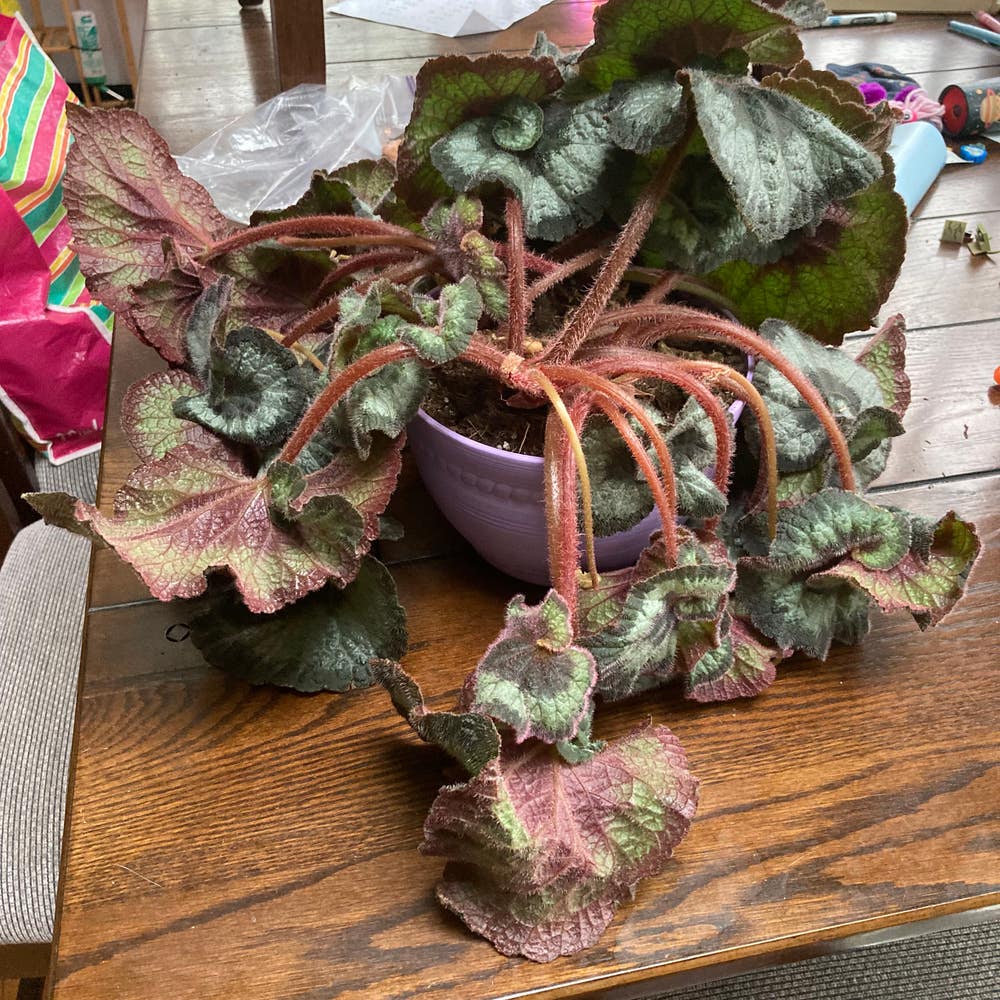
10 Key Winter Strategies for Rex Begonia 'Escargot' 🐌
Begonia 'Escargot'
By the Greg Editorial Team
Sep 28, 2024•5 min read
This article was created with the help of AI so we can cover more plants for you. May contain errors. See one? Report it here.
Ensure your Rex Begonia 'Escargot' thrives this winter with essential care tips! ❄️🌱
- ❄️ Frost protection is vital for Rex Begonia 'Escargot' to prevent winter damage.
- 💧 Adjust watering every 2-3 weeks to avoid root rot in winter conditions.
- 🌡️ Maintain humidity between 50%-70% for optimal growth during the colder months.
Winter Care Strategies
❄️ Frost Protection Techniques
Frost protection is crucial for your Rex Begonia 'Escargot' as it prevents leaf damage and potential plant death. Implementing effective methods can ensure your plant thrives through the cold months.
Covering with Frost Cloth or Burlap
One of the simplest ways to protect your plant is by covering it with frost cloth or burlap. This acts as an insulating layer, keeping the temperature around the plant more stable.
Using Cloches or Plant Covers
Cloches or plant covers create a microclimate that shields your Begonia from harsh winter conditions. They trap warmth and moisture, providing a cozy environment for your plant.
Relocating Pots to Sheltered Areas
If your Begonia is in a pot, consider relocating it to a sheltered area. This protects it from wind and frost exposure, significantly reducing the risk of damage.
💧 Adjusting Watering Schedules During Winter Months
Adjusting your watering schedule is essential during winter to prevent root rot and overwatering. Your plant's needs change with the season, so keep a close eye on moisture levels.
Recommended Watering Frequency
Aim to water your Rex Begonia every 2-3 weeks, depending on the humidity in your home. This frequency helps maintain healthy roots without drowning them.
Signs of Overwatering
Watch for yellowing leaves and mushy stems, which are clear signs of overwatering. If you notice these symptoms, it’s time to cut back on watering.
Signs of Underwatering
Conversely, wilting leaves and dry soil indicate that your plant is thirsty. Adjust your watering schedule accordingly to keep your Begonia happy.
🌱 Fertilizing Practices for Winter Care
During winter, it's best to minimize fertilization as your plant enters dormancy. This helps prevent unnecessary stress on the Begonia.
Recommended Fertilizer Type
When you do fertilize, opt for low-nitrogen, slow-release options. These types provide nutrients gradually, supporting your plant without overwhelming it.
Timing of Fertilization
Plan to resume fertilization in early spring as growth begins again. This timing ensures your Rex Begonia gets the nutrients it needs to thrive after the winter months.
By following these winter care strategies, you can help your Rex Begonia 'Escargot' survive and flourish, setting the stage for a vibrant spring. Next, let’s explore optimal indoor conditions to keep your plant thriving during the colder months.
Indoor Winter Care
Optimal indoor conditions 🌡️
Creating the right indoor environment for your Rex Begonia 'Escargot' is crucial during winter. Aim for a temperature range of 18°C to 24°C (65°F to 75°F) to keep your plant thriving.
Avoiding drafts is essential. Sudden temperature changes can stress your Begonia, leading to potential damage.
Light requirements 💡
Your Begonia loves bright, indirect light. This helps prevent leggy growth and keeps the foliage lush and vibrant.
Managing humidity and temperature indoors 💧
Maintaining humidity levels between 50% and 70% is key for healthy Begonias. This range mimics their natural habitat and prevents issues like leaf drop.
To increase humidity, consider using a humidifier. This will help maintain consistent moisture levels in the air.
Another effective method is placing water trays filled with pebbles beneath your pots. This creates a humid microenvironment that your plant will appreciate.
Monitoring temperature 🌡️
Keep an eye on temperature fluctuations. Avoid placing your Begonia near heating vents, as this can dry out the air and harm your plant.
By ensuring optimal indoor conditions, you set your Rex Begonia up for success during the winter months. With the right care, it will emerge ready to flourish come spring.
Next, let’s explore how to identify signs of winter damage and what steps to take for recovery.
Spring Preparation and Recovery
🌨️ Signs of Winter Damage
As winter fades, it's crucial to assess your Rex Begonia 'Escargot' for signs of damage. Look for common symptoms like brown edges, wilting leaves, and unexpected leaf drop.
Checking the overall health of your plant involves inspecting the root system and foliage condition. Healthy roots are firm and white, while unhealthy ones may appear mushy or dark.
🌱 Steps for Recovery and Rejuvenation in Spring
To kickstart recovery, begin by pruning any damaged leaves. This encourages new growth and helps the plant focus its energy on healthier parts.
Next, gradually reintroduce your Begonia to outdoor conditions through a hardening-off process. Start with a few hours of exposure to sunlight and gradually increase the time over a week.
Finally, resume fertilization with a balanced fertilizer once the risk of frost has passed. This will provide the nutrients your plant needs to thrive as it enters its active growth phase.
With these steps, your Rex Begonia 'Escargot' will be well on its way to a vibrant spring! Now, let’s explore common challenges and solutions to ensure your plant remains healthy throughout the season.
Common Challenges and Solutions
🥶 Addressing Cold Hardiness Issues
Rex Begonia 'Escargot' is sensitive to temperatures below 10°C (50°F). Understanding this low cold hardiness is crucial for keeping your plant healthy during winter.
To improve cold hardiness, consider these strategies:
- Select Sheltered Locations: Position your outdoor plants in spots that offer some protection from harsh winds and frost.
- Use Mulch: Applying mulch around the base can insulate roots and help retain soil warmth.
🐛 Preventing Pests and Diseases During Winter
Winter can bring its own set of challenges, including pests like mealybugs and spider mites. Keeping an eye out for these nuisances is essential for maintaining plant health.
Here are some effective prevention strategies:
- Regular Inspection: Check your plants frequently for early signs of infestations. Catching issues early can save you a lot of trouble.
- Maintain Cleanliness: Remove any debris and dead leaves around your plants to minimize hiding spots for pests.
For disease management, ensure proper air circulation around your plants. Avoid overwatering, as this can lead to root rot and other issues.
By addressing these common challenges, you can help your Rex Begonia 'Escargot' thrive through the winter months. Next, let’s explore how to prepare for spring and rejuvenate your plant after the cold season.
⚠️ Safety First
This content is for general information and may contain errors, omissions, or outdated details. It is not medical, veterinary advice, or an endorsement of therapeutic claims.
Always consult a qualified healthcare professional before using any plant as food, medicine, or supplement.
Never eat any plant (or feed one to pets) without confirming its identity with at least two trusted sources.
If you suspect poisoning, call Poison Control (800) 222-1222, the Pet Poison Helpline (800) 213-6680, or your local emergency service immediately.
Spotted an error? Please report it here.
Keep your Rex Begonia 'Escargot' thriving this winter ❄️ with Greg's tailored care reminders and humidity tips that ensure your plant stays vibrant and healthy all season long!