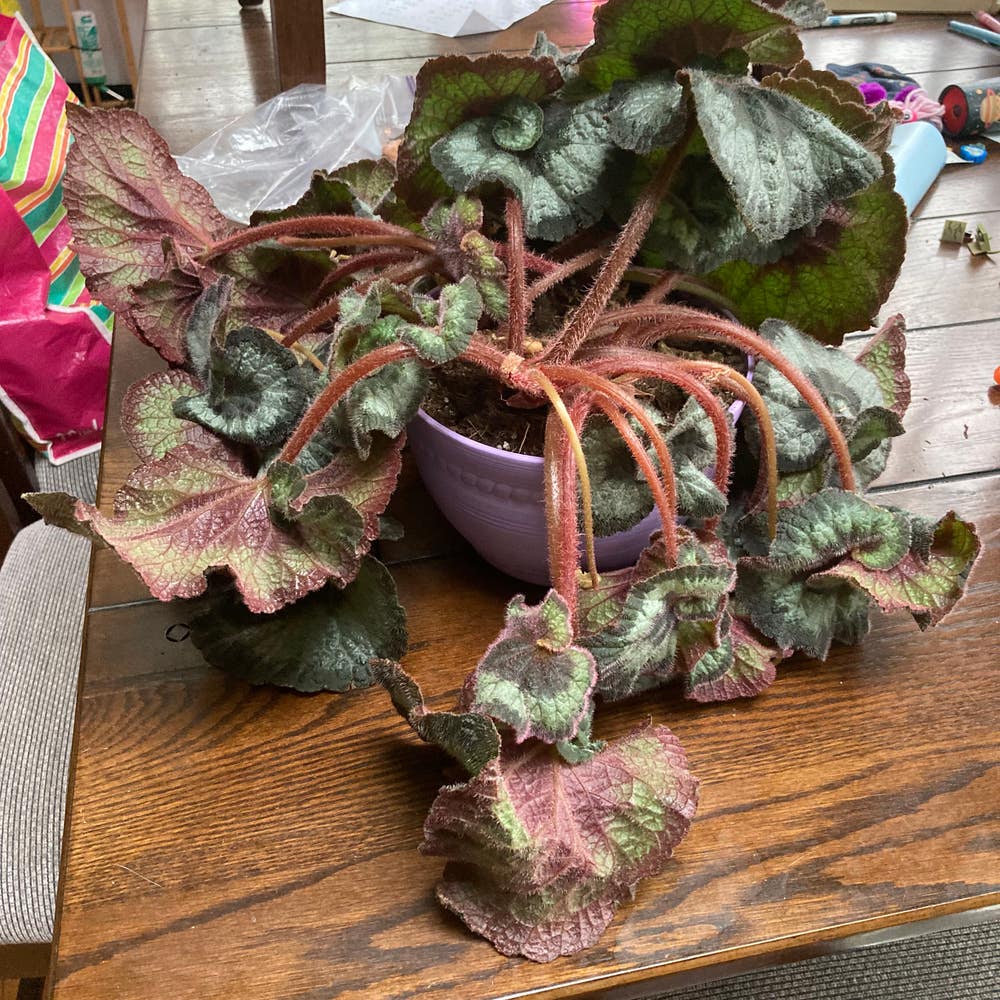
🐌 What Does It Mean When Rex Begonia 'Escargot' Blooms?
Begonia 'Escargot'
By the Greg Editorial Team
Jun 18, 2024•3 min read
This article was created with the help of AI so we can cover more plants for you. May contain errors. See one? Report it here.
Unveil the magic behind Rex Begonia 'Escargot's' elusive blooms and celebrate your green thumb victory! 🌿✨
- Blooming is rare, influenced by care, maturity, and environment.
- Perfect conditions: 65°F-75°F and bright, indirect light.
- Prune and fertilize to stimulate and maintain blooms.
When Rex Begonia 'Escargot' Decides to Bloom
🌸 Spotting the Signs of an Upcoming Bloom
As the Rex Begonia 'Escargot' gears up for its rare bloom, you'll notice buds distinct from the usual leaf growth. These buds are rounder and sprout on separate stalks, a telltale sign that your begonia is either quite content or sending an SOS about its conditions.
Understanding the Blooming Cycle
The blooming of Rex Begonia 'Escargot' is not a calendar event. Factors like plant maturity, care, and environmental conditions play a role. While there's no set schedule, creating an ideal setting can coax out those elusive flowers.

Setting the Stage for Spectacular Blooms
🌞 Light and Temperature: The Dynamic Duo
Creating the perfect environment for your Rex Begonia 'Escargot' to bloom is a bit like setting up a backstage for a rockstar. Bright, indirect light is crucial; it's the spotlight that encourages the show to go on without scorching the star. Temperature-wise, think of a cozy spring day—aim for a comfortable 65°F to 75°F (18°C to 24°C). Too hot or too cold, and your begonia might just decide to take a hiatus from blooming.
🍽️ The Nutrient Nudge: Fertilization Focus
To coax your Rex Begonia 'Escargot' into the limelight, you'll need the right fertilizer. A balanced, water-soluble option with an NPK ratio like 10-10-10 is your backstage pass to flowering. Apply it every two to four weeks during the growing season, but ease up in the winter when your plant is taking a break. Remember, overfeeding is the equivalent of an overzealous fan—it can do more harm than good. Keep the soil moist but well-draining to avoid any root-rot drama.

Pruning for Blooms, Not Just Beauty
💡 Energy Redirect: Pruning with Purpose
Pruning your Rex Begonia 'Escargot' isn't just about keeping it pretty. Strategic cuts can coax it into blooming. Aim for those leggy stems or any part that seems to be draining the plant's vigor. It's a clear signal to your plant to channel its energy into popping out those rare blooms.
💐 Deadheading: Keeping the Blooms Coming
Deadheading is crucial. By snipping off the spent flowers, you're essentially telling your plant to keep the blooms coming. It's not just about the current flowers; it's about setting the stage for the next act in your plant's performance. Keep those shears handy and watch for fading flowers to maintain a continuous show.

When Blooms Are Bashful: Troubleshooting Tips
🕵️ Investigating the Lack of Flowers
If your Rex Begonia 'Escargot' is more leafy than flowery, don't panic. It's time to play plant detective. First, lighting. These plants need bright, indirect sunlight. Too little, and they won't have the energy to bloom. Too much, and they'll burn out. Find that sweet spot. Next, check for overwatering. Soggy soil is a no-go; it can lead to root rot and a bloomless existence. Make sure the soil is well-draining and only water when the top inch feels dry.
🌡️ Stress Less for More Blooms
Stress can be a bloom blocker. If you're moving your plant around like it's on a world tour, stop. Consistency is key. Also, consider the temperature. These begonias dislike the cold. Keep them warm, but not too hot. Think comfortable spring day, not desert island. And don't forget about fertilizer. A balanced liquid feed every few weeks during the growing season can work wonders. But ease up in winter; it's their downtime. Remember, your Rex Begonia 'Escargot' is not a diva; it just needs the right care to strut its stuff.
⚠️ Safety First
This content is for general information and may contain errors, omissions, or outdated details. It is not medical, veterinary advice, or an endorsement of therapeutic claims.
Always consult a qualified healthcare professional before using any plant as food, medicine, or supplement.
Never eat any plant (or feed one to pets) without confirming its identity with at least two trusted sources.
If you suspect poisoning, call Poison Control (800) 222-1222, the Pet Poison Helpline (800) 213-6680, or your local emergency service immediately.
Spotted an error? Please report it here.
Nurture your Rex Begonia 'Escargot' to bloom beautifully 🌺 with Greg's custom care plans and timely reminders, ensuring the right light and water for those elusive flowers.