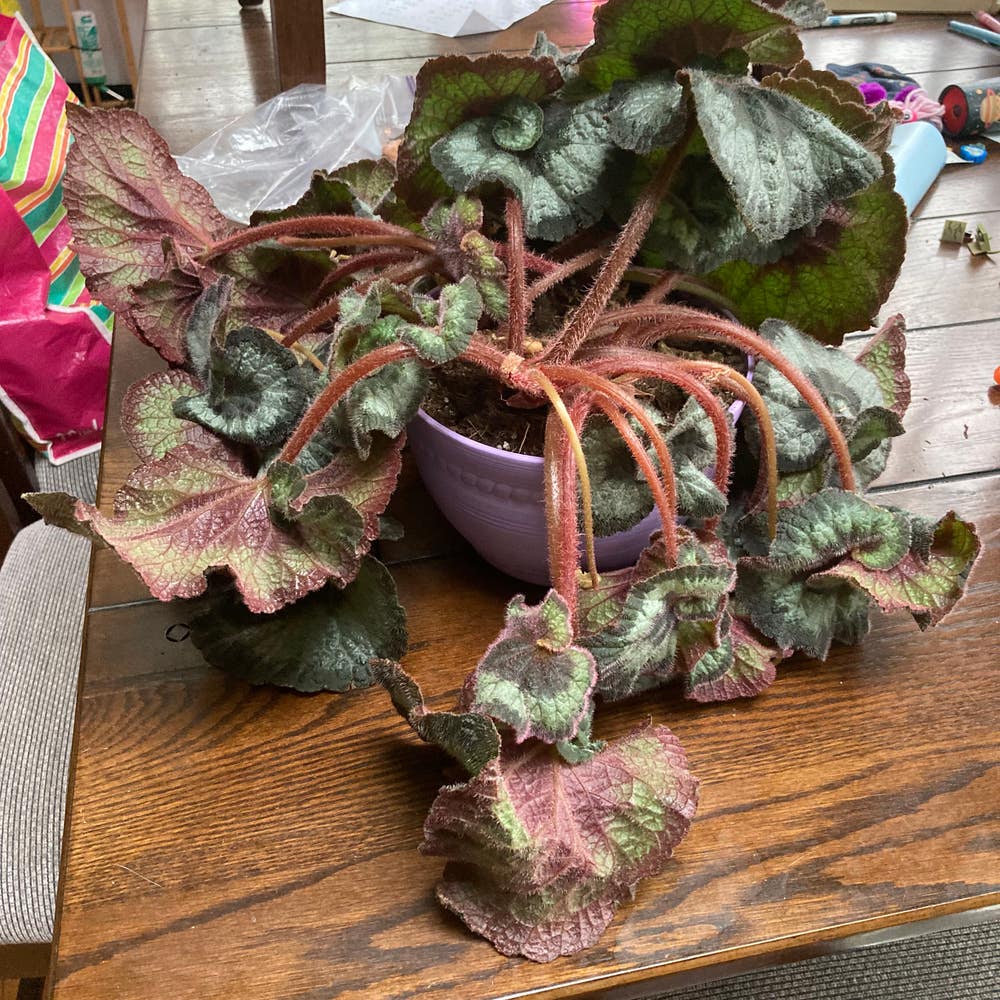
🐌 Propagating Rex Begonia 'Escargot': The Ultimate Guide
Begonia 'Escargot'
By the Greg Editorial Team
Jun 18, 2024•3 min read
This article was created with the help of AI so we can cover more plants for you. May contain errors. See one? Report it here.
Propagate your own spiral wonderland 🌀 with this ultimate guide to Rex Begonia 'Escargot' propagation.
- Choose vibrant leaves and let them callous before propagating.
- Divide in spring when 'Escargot' shows active growth.
- Pot in airy mix, provide indirect sunlight for new 'Escargots'.
Step-by-Step Guide to Leaf Cuttings
🍃 Choosing Your Champion Leaf
Selecting the healthiest leaf is crucial for successful propagation. Look for leaves that are vibrant and free from any distress, disease, or pests. Imperfections are not just cosmetic; they can hinder the growth of new plants.
✂️ The Cutting Ceremony
To prepare your leaf, twist it gently from the stem or use a sterile knife for a clean cut. Let the leaf callous for a day or two; this helps prevent rot and gives your cutting a fighting chance.
🌡️ Creating the Perfect Environment
Humidity and warmth are your cuttings' best friends, while direct sunlight is not. Strike a balance to avoid cooking or drowning your hopefuls. Keep the soil moist but not wet, and use a plastic cover to maintain humidity if necessary.

Dividing Your 'Escargot' for More
⏰ When to Divide
Spring is the sweet spot for division. It's the time when your 'Escargot' is waking up, full of potential and ready for a change. Look for signs of active growth, like new leaves or a rhizome that's starting to feel a bit cramped in its current home.
🕺 The Division Dance
Gently is the keyword here. Start by watering your plant a couple of days before you plan to divide. This makes the roots more flexible and less likely to break. Then, coax the plant out of its pot, being as inviting as possible.
Shake off the excess soil to reveal the rhizome's natural divisions. If it's not obvious where to split, choose a healthy-looking section and use a sterilized knife to make a clean cut. Each new plant should have a good set of roots and a few leaves to ensure a strong start.
Repot these new 'Escargots' into their own spaces, and watch them grow into individual beauties, just like their parent plant.

Rhizome Division: A Delicate Task
🌱 Identifying Rhizome Candidates
Selecting the right rhizomes is crucial for propagation success. Look for sections that are healthy and have a good fan of leaves with a robust root system. Avoid rhizomes that appear desiccated or damaged.
🪚 The Careful Separation
When dividing rhizomes, use a sterile, sharp knife or scissors. Make deliberate cuts to avoid damaging the plant. Each division should include at least one growth point. After separating, handle the divisions with care, as they are the lifeline for new growth.

After the Cut: Caring for New Cuttings
🌱 The First Few Days
After snipping your Rex Begonia 'Escargot' leaf cuttings, vigilance is your new best friend. Keep the soil consistently moist, like that favorite sponge of yours that's seen better days. Water when the top inch feels like a desert.
🏡 Potting Young 'Escargots'
Pot choice is crucial; think snug, not spacious. Ensure it's got drainage holes to avoid a mini flood situation. Use a mix that's airy and drains like a dream—roots need air, not a swimming pool. When potting, handle with care; these roots are the new kids on the block.
🌞 Acclimatization and Growth
Bright, indirect sunlight is the golden ticket for your young 'Escargots'. Direct sun? That's a hard no. It's like sending a vampire to the beach. Monitor growth like a hawk; new leaves mean you're winning. If your plants throw a fit, tweak your care routine until they're back on track.
⚠️ Safety First
This content is for general information and may contain errors, omissions, or outdated details. It is not medical, veterinary advice, or an endorsement of therapeutic claims.
Always consult a qualified healthcare professional before using any plant as food, medicine, or supplement.
Never eat any plant (or feed one to pets) without confirming its identity with at least two trusted sources.
If you suspect poisoning, call Poison Control (800) 222-1222, the Pet Poison Helpline (800) 213-6680, or your local emergency service immediately.
Spotted an error? Please report it here.
Propagate your Rex Begonia 'Escargot' with confidence, and let Greg's reminders 🐌 ensure your spiraled beauties thrive with just the right touch of care.