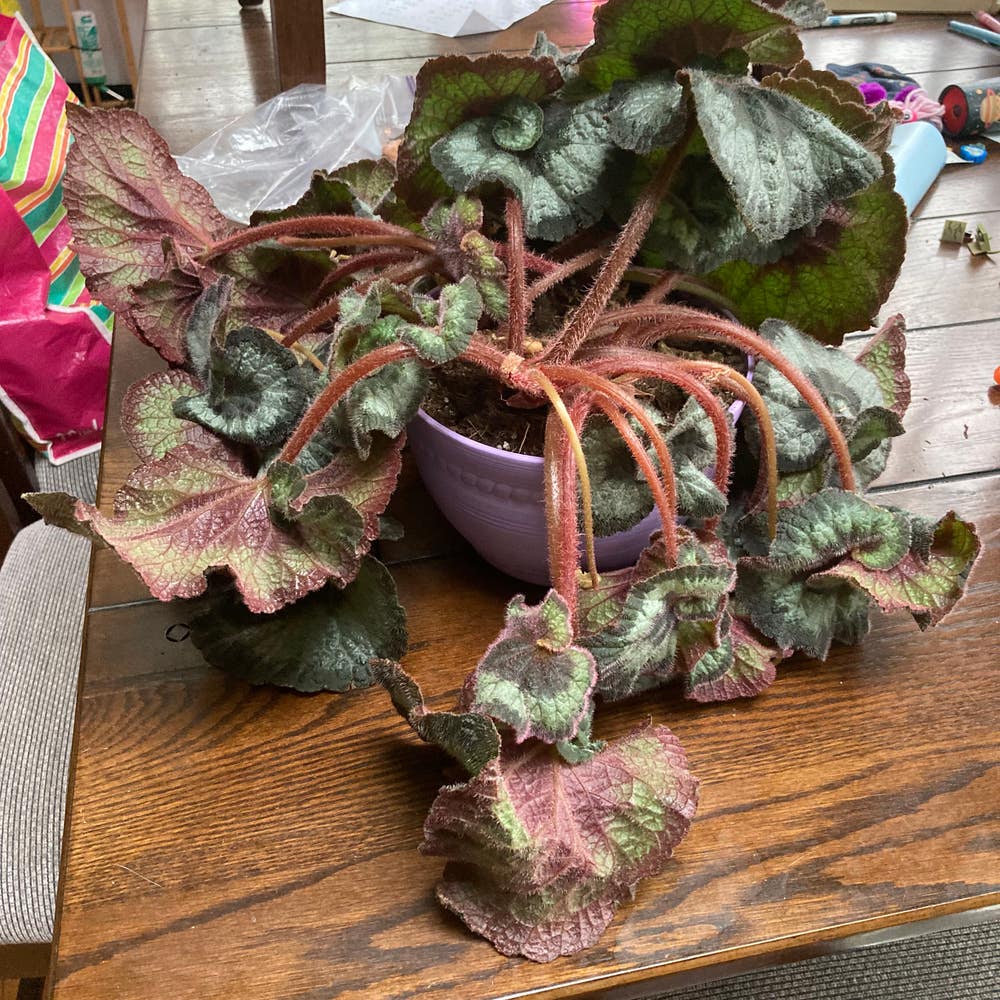
Best Size and Type of Pot for Rex Begonia 'Escargot' 🐌
Begonia 'Escargot'
By the Greg Editorial Team
Sep 28, 2024•5 min read
This article was created with the help of AI so we can cover more plants for you. May contain errors. See one? Report it here.
Master pot size and drainage for a thriving Rex Begonia 🌱 and watch your plant flourish beautifully!
- 🌱 Choose pot size wisely: 4-6 inches for young, 10-12 inches for mature plants.
- 🏺 Pot material matters: Clay offers breathability, while plastic retains moisture better.
- 🚰 Ensure drainage holes: Prevent root rot by avoiding waterlogged soil.
Pot Size Recommendations
Importance of Size for Growth Stages 🌱
Choosing the right pot size is crucial for the health of your Rex Begonia 'Escargot.' Each growth stage requires a different pot size to ensure optimal root development and moisture balance.
For young plants, a pot size of 4-6 inches is ideal. This smaller size encourages healthy root growth, allowing the plant to establish itself without excess soil that can retain too much moisture.
As your plant matures into the established stage, opt for a 6-8 inch pot. This size helps maintain moisture balance, preventing the soil from drying out too quickly while still allowing for adequate drainage.
Finally, for mature plants, a pot size of 10-12 inches is recommended. This larger pot supports the extensive root system that develops over time, providing ample space for growth and stability.
Selecting the right pot size at each stage not only promotes healthy growth but also enhances the overall vitality of your Rex Begonia 'Escargot.' With the right foundation, your plant can thrive and showcase its unique beauty.
Next, let’s explore the ideal pot materials to complement your choice of size.
Ideal Pot Materials
Choosing the right pot material for your Rex Begonia 'Escargot' is crucial for its health and growth. Each material has its unique benefits and drawbacks.
🏺 Types of Materials
Clay
Clay pots are breathable, allowing air to reach the roots. However, they dry out quickly, which means you'll need to monitor moisture levels closely.
Plastic
Plastic pots retain moisture better than clay, making them a popular choice. They are lightweight and come in various colors, but they lack the breathability that some plants prefer.
Ceramic
Ceramic pots are visually appealing and can add a decorative touch to your space. They tend to be heavier, which can be a downside if you plan to move your plants around frequently.
Fabric
Fabric pots offer excellent aeration and drainage, promoting healthy root growth. They are lightweight and easy to handle, making them a great option for those who want flexibility.
Understanding these materials will help you make an informed choice that aligns with your Rex Begonia's needs. Selecting the right pot is just one step in ensuring your plant thrives, so let’s dive into drainage considerations next!
Drainage Considerations
Importance of Drainage Holes 🌧️
Proper drainage is crucial for the health of your Rex Begonia 'Escargot.' To prevent water accumulation, ensure your pot has at least 3-5 drainage holes.
Effects of Poor Drainage 🚫
When drainage is inadequate, your plant may show distress. Look for symptoms like yellowing leaves, wilting, and root rot.
Long-term Consequences ⚠️
Ignoring drainage issues can lead to reduced vigor and, ultimately, plant death. It's essential to address these problems early to keep your plant thriving.
By ensuring proper drainage, you set the stage for a healthy, vibrant Rex Begonia. Next, let's explore how to repot your plant effectively to maintain its health and growth.
Repotting Rex Begonia 'Escargot'
🚨 Signs That It's Time to Repot
Knowing when to repot your Rex Begonia 'Escargot' is crucial for its health. Look for roots visible through the drainage holes; this is a clear sign that your plant is outgrowing its space.
If the soil dries out too quickly or retains too much moisture, it’s time for a change. Stunted growth, despite your best care efforts, also indicates that your plant needs a new home.
🛠️ Step-by-Step Guide to Repotting
Repotting can seem daunting, but it’s a straightforward process. Follow these steps to ensure your Rex Begonia thrives in its new pot.
- Prepare the New Pot: Choose one with drainage holes and fill it with suitable potting soil.
- Remove the Plant: Gently take the plant out of its current pot, being careful not to damage the roots.
- Inspect the Roots: Check for any signs of rot and trim away any damaged areas.
- Position the Plant: Place the plant in the new pot at the same depth it was previously.
- Fill with Soil: Add fresh potting soil around the plant, pressing lightly to eliminate air pockets.
- Water Thoroughly: Give it a good drink and let the excess water drain out.
Repotting your Rex Begonia 'Escargot' not only provides it with fresh nutrients but also allows for better growth. With these steps, you’ll ensure your plant remains vibrant and healthy.
Next, let’s explore common mistakes in pot selection to avoid any pitfalls in your plant care journey.
Common Mistakes in Pot Selection
Overly Large Pots 🏺
Choosing a pot that's too large can lead to significant issues for your Rex Begonia 'Escargot'. Excess soil retains moisture, increasing the risk of overwatering and root rot.
Choosing Pots Without Drainage 🚫
Opting for pots without drainage holes is another common pitfall. This choice can create waterlogged soil, leading to plant stress and potential death.
Ignoring Material Suitability 🧱
Material matters when it comes to pot selection. Each type has unique moisture retention properties that can affect your plant's health, so understanding these differences is crucial for optimal growth.
By avoiding these mistakes, you can create a healthier environment for your Rex Begonia 'Escargot'. Next, let’s explore the importance of drainage considerations to further enhance your plant care strategy.
⚠️ Safety First
This content is for general information and may contain errors, omissions, or outdated details. It is not medical, veterinary advice, or an endorsement of therapeutic claims.
Always consult a qualified healthcare professional before using any plant as food, medicine, or supplement.
Never eat any plant (or feed one to pets) without confirming its identity with at least two trusted sources.
If you suspect poisoning, call Poison Control (800) 222-1222, the Pet Poison Helpline (800) 213-6680, or your local emergency service immediately.
Spotted an error? Please report it here.
Select the perfect pot for your Rex Begonia 'Escargot' 🌱 with Greg's tailored advice, ensuring your plant flourishes in its ideal environment!