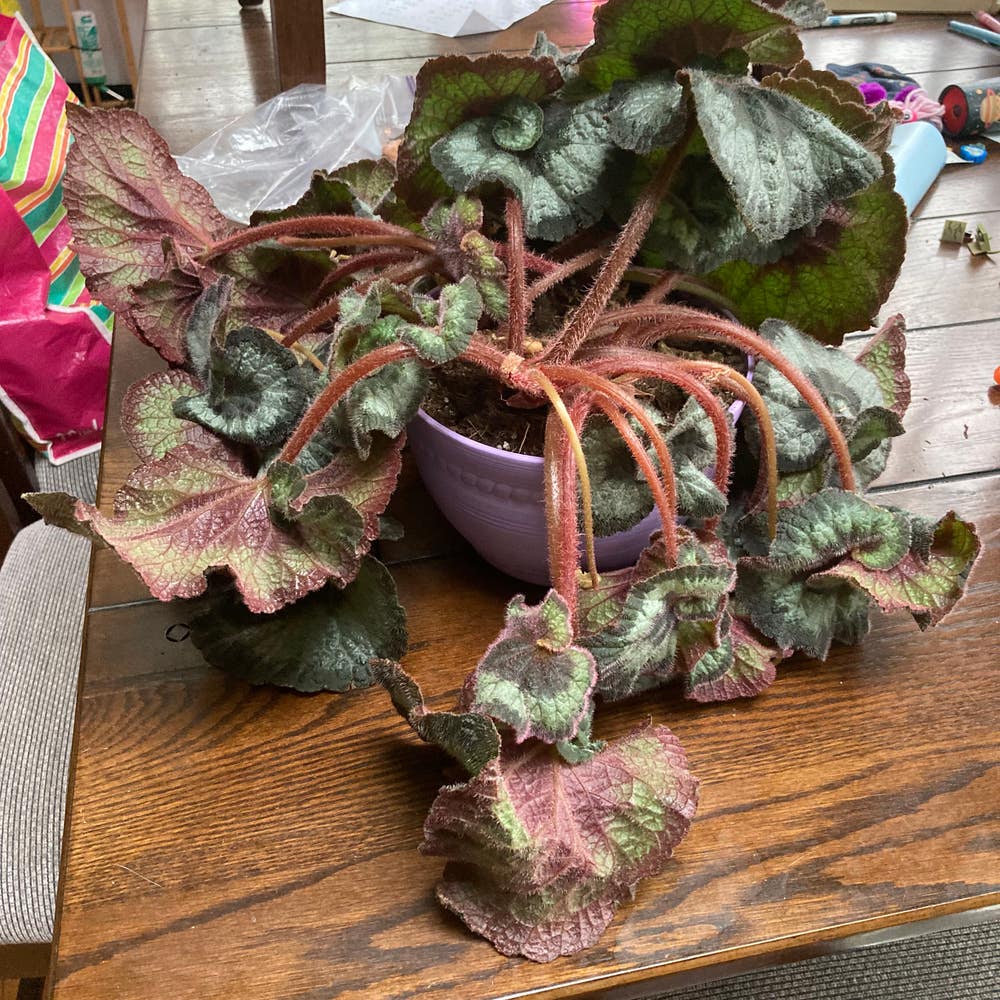
🐌 Does My Rex Begonia 'Escargot' Need Direct Sunlight?
Begonia 'Escargot'
By the Greg Editorial Team
Jun 18, 2024•3 min read
This article was created with the help of AI so we can cover more plants for you. May contain errors. See one? Report it here.
Learn how to shield your 'Escargot' 🐌 from harsh rays for lush, healthy growth without the sunburn! ☀️
- Bright, indirect light is ideal for Rex Begonia 'Escargot'.
- East-facing windows provide perfect morning light; avoid intense south/west light.
- Adjust placement seasonally and use sheer curtains or reflective materials as needed.
Sunlight Preferences of Rex Begonia 'Escargot'
🌿 The Ideal Light for 'Escargot'
Rex Begonia 'Escargot' thrives in bright, indirect light. This mimics their natural habitat under the dappled canopy of tropical forests. Your 'Escargot' will show its contentment through vibrant colors and steady leaf production.
🌞 When Sunlight Becomes Too Intense
Leaf scorch and wilting are distress signals of excessive sunlight. If your 'Escargot' starts sporting brown patches, it's begging for shade. Immediate action involves moving it away from the sun's harsh glare and reassessing its placement to prevent further damage.

Protecting 'Escargot' from Direct Sunlight
🌅 Strategic Plant Placement
East-facing windows are your 'Escargot's' best friend, offering that sweet spot of morning light without the harsh afternoon glare. But don't get too cozy; even here, a little distance from the glass can prevent your begonia from feeling the burn.
Window direction matters—a lot. South or west-facing spots can turn into a scorching sauna for your 'Escargot'. If that's all you've got, you'll need to get creative to keep those delicate leaves from crisping up.
🎨 Creative Sunlight Solutions
Sheer curtains: think of them as sunglasses for your 'Escargot'. They cut the glare, letting in that soft, diffused light your plant craves. It's like applying a gentle filter to the sun's harshness.
Reflective materials can be a game-changer in low-light areas. Mirrors or shiny surfaces bounce light around, giving your 'Escargot' a more even tan without the risk of sunburn. Just make sure it's indirect; we're not trying to signal airplanes here.

The Window Direction and Hemisphere Connection
⛅️ Understanding Your Environment
Your Rex Begonia 'Escargot' is a diva when it comes to light. The direction your window faces can make or break its performance. In the Northern Hemisphere, south-facing windows are like the spotlight on a stage, offering the most consistent light show. But if you're down under in the Southern Hemisphere, it's north-facing windows that deserve a standing ovation for their sunlight services.
Adjusting Care for 'Escargot' Through the Seasons
Seasons change, and so does your 'Escargot's' mood for light. As the sun shifts its path across the sky, your plant might need a change of scenery inside your home to keep its leaves from throwing a tantrum. In winter, it might crave that sunny window spot, but come summer, it could be begging for some shade. Keep an eye on the light, and move your 'Escargot' to where it can bask without baking.

Tailoring Care for 'Escargot' in Different Light Conditions
🌞 When the Sun's Position Changes
As the sun shifts across the sky with the seasons, so must your Rex Begonia 'Escargot' adapt to maintain its vibrant health. It's crucial to reposition your plant to ensure it continues to receive the ideal amount of light without being exposed to direct sunlight, which could be detrimental.
Monitoring and Adjusting
Regularly observe your 'Escargot' for signs that it's thriving or struggling in its current spot. If you notice a lack of new leaves or a change in leaf color, it may be time to tweak its environment. Gradual shifts in position can prevent stress, keeping your plant as content as a cat in a sunbeam—without the actual sunbeam.
⚠️ Safety First
This content is for general information and may contain errors, omissions, or outdated details. It is not medical, veterinary advice, or an endorsement of therapeutic claims.
Always consult a qualified healthcare professional before using any plant as food, medicine, or supplement.
Never eat any plant (or feed one to pets) without confirming its identity with at least two trusted sources.
If you suspect poisoning, call Poison Control (800) 222-1222, the Pet Poison Helpline (800) 213-6680, or your local emergency service immediately.
Spotted an error? Please report it here.
Keep your Rex Begonia 'Escargot' thriving 🌿 with Greg's tailored light measurements, ensuring it gets just the right amount of indirect sunlight without the guesswork.