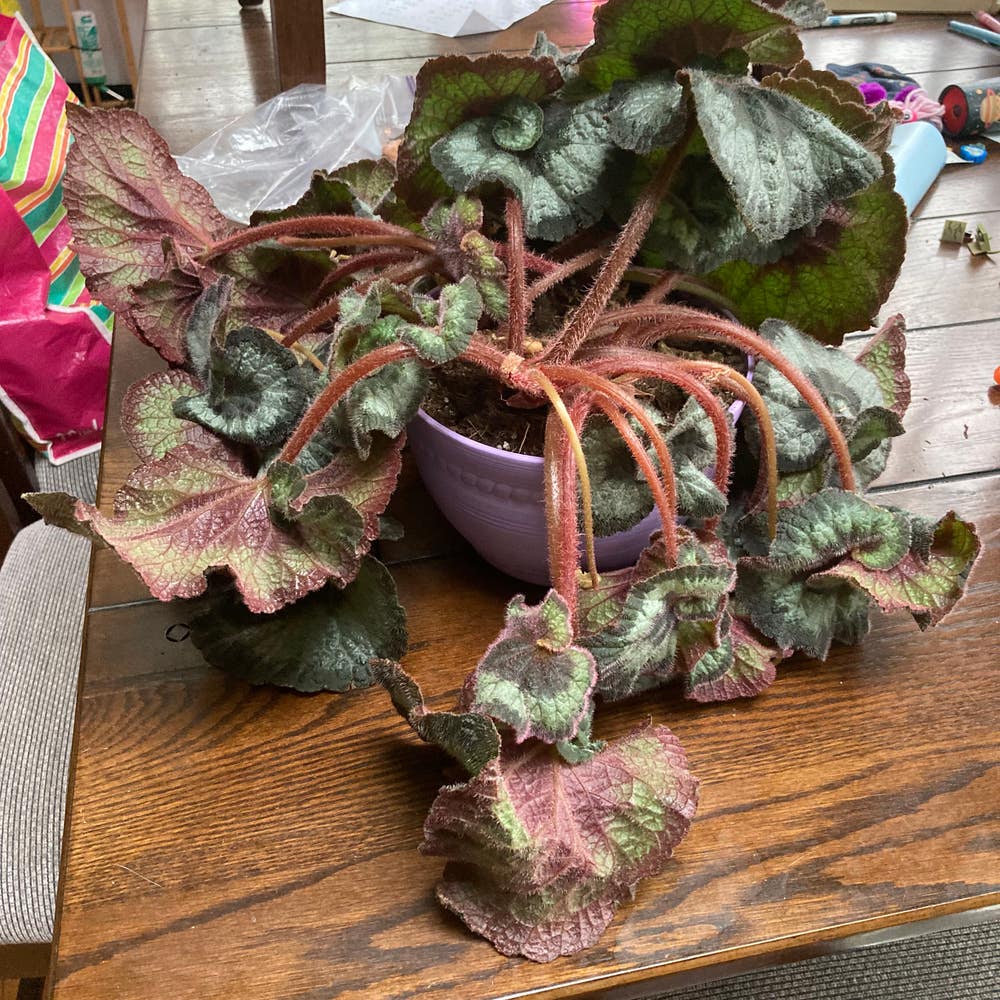
What is a Rex Begonia 'Escargot'? Complete Guide 🐌
Begonia 'Escargot'
By the Greg Editorial Team
Jan 10, 2025•12 min read
This article was created with the help of AI so we can cover more plants for you. May contain errors. See one? Report it here.
Elevate your indoor garden with the stunning Rex Begonia 'Escargot' and master its care effortlessly! 🌱
- 🌞 Rex Begonia 'Escargot' thrives in bright, indirect light; avoid direct sunlight to prevent scorch.
- 💧 Water consistently, allowing top soil to dry; overwatering leads to root rot.
- 🌿 All parts are toxic to pets; keep out of reach of dogs and cats.
How to Grow
🌞 Choosing a Location
To thrive, Rex Begonia 'Escargot' needs bright, indirect light indoors. Direct sunlight can scorch its unique leaves, so be sure to place it where it can bask in filtered light.
Outdoors, these plants prefer shaded areas that shield them from harsh weather. Protecting them from extreme conditions will help maintain their vibrant foliage.
🌱 Soil Preparation
For optimal growth, use a well-draining soil rich in organic matter, such as a peat-based potting mix. This ensures that the roots receive adequate nutrients and moisture without becoming waterlogged.
Aim for a soil pH between 6.0 and 7.0, which is slightly acidic to neutral. This pH range supports healthy growth and nutrient absorption.
🌿 Planting Techniques
When planting, choose a container that is at least 6-8 inches in diameter. This size provides enough space for the roots to expand and thrive.
Ensure the crown of the plant is level with the soil surface during planting. This positioning helps prevent rot and encourages healthy growth.
💧 Watering Requirements
Keep the soil consistently moist but not soggy. Allow the top inch of soil to dry out between waterings to avoid overwatering.
Watch for signs of overwatering, such as yellowing leaves and mushy stems. These symptoms indicate that adjustments are needed in your watering routine.
🌼 Fertilizing Schedule
During the growing season, fertilize your Rex Begonia 'Escargot' monthly. This will provide the nutrients necessary for vibrant growth.
Use a balanced, water-soluble fertilizer diluted to half strength. This approach prevents nutrient burn while ensuring your plant gets what it needs.
✂️ Pruning Methods
Pruning is essential for maintaining the shape of your plant. Remove any dead or damaged leaves to encourage new growth and keep your plant looking its best.
Timing is key; prune during the growing season for optimal recovery. This practice helps your plant bounce back quickly and thrive.
🌧️ Ongoing Care Tips
Rex Begonia 'Escargot' thrives in high humidity levels, ideally between 50-70%. Consider using a humidity tray or misting to maintain these conditions.
Temperature is also crucial; aim for a range of 18°C to 24°C (65°F to 75°F). Keeping your plant within this range will promote healthy growth and vibrant foliage.
With these care tips, your Rex Begonia 'Escargot' will flourish, bringing beauty and life to your space. Next, let's explore how to propagate this stunning plant for even more greenery!
Propagation
🍃 Leaf Cuttings
To propagate your Rex Begonia 'Escargot', start by selecting healthy, mature leaves. Make sure they are undamaged, as this will increase your chances of successful propagation.
Next, cut the leaf into sections, ensuring that each piece includes a vein. This is crucial because the veins are where the plant will draw nutrients and moisture to grow new roots.
🌱 Division Method
The division method is best performed in spring when the plant is actively growing. This timing helps the plant recover quickly and thrive after being divided.
Carefully separate the root ball into sections, ensuring that each section has its own roots. This method can rejuvenate your plant and provide you with new ones to enjoy.
🌼 Seed Propagation
If you prefer starting from seeds, sow them on the surface of moist soil without covering them. This allows them to receive the light they need for germination.
Under optimal conditions, expect germination to take about 2-3 weeks. Keep the soil consistently moist, and soon you'll see those tiny sprouts emerging.
With these propagation techniques, you can expand your collection of Rex Begonia 'Escargot' plants or share them with friends. Next, let’s explore the lifecycle of this fascinating plant.
Lifecycle
Lifecycle Stages 🌱
Rex Begonia 'Escargot' is a perennial plant, often enjoyed as a houseplant. Its unique foliage and manageable size make it a favorite among indoor gardeners.
Germination Process 🌡️
For seed germination, warmth and moisture are essential. Aim for an optimal temperature of around 21°C (70°F) to kickstart the process.
Seedling Development 🌿
Once germinated, the plant enters the seedling stage, developing true leaves within 4-6 weeks. This is an exciting time as the plant begins to show its distinctive characteristics.
Vegetative Growth Phase 🌳
During the vegetative growth phase, the Rex Begonia 'Escargot' exhibits a moderate growth rate. Under ideal conditions, it can reach maturity in about 6-12 months.
Flowering and Seed Production 🌼
Flowering typically occurs in late summer, though the flowers are small and not the main attraction. The focus remains on the stunning leaves that define this plant.
Lifespan and Growth Rate ⏳
With proper care, the Rex Begonia 'Escargot' can live for several years. Its growth rate remains moderate, usually achieving a height of 6-12 inches per year, making it a rewarding addition to your indoor garden.
This lifecycle overview highlights the fascinating journey of the Rex Begonia 'Escargot', setting the stage for understanding its care and maintenance. Next, we'll explore how to effectively propagate this beautiful plant.
Size
Mature Height and Spread 🌱
Rex Begonia 'Escargot' typically reaches a mature height of 12 to 18 inches, with a spread of 12 to 24 inches. This makes it a lovely addition to any indoor space, providing a lush, full appearance.
Growth Rate Specifics ⏳
The growth rate of this begonia is moderate, meaning it won't outgrow its space too quickly. Factors such as light, water, and nutrient availability significantly influence how fast it grows.
Size Variability Based on Conditions 🌦️
Environmental factors play a crucial role in the size of your Rex Begonia 'Escargot.' Humidity levels, light exposure, and soil quality can all lead to variations in growth, so keep these in mind for optimal results.
As you nurture your plant, remember that its size can reflect the care you provide. With the right conditions, your begonia can thrive beautifully, enhancing your living space.
Roots
🌱 Root System Characteristics
Rex Begonia 'Escargot' features a fibrous root system that excels at nutrient absorption. This structure is essential for the plant's overall health and growth.
📏 Depth and Spread of Roots
The roots of this begonia are generally shallow, spreading horizontally rather than deep. This characteristic allows the plant to efficiently gather moisture and nutrients from the top layers of soil.
⚠️ Common Root-Related Issues
One of the most common problems with Rex Begonia 'Escargot' is root rot, often caused by overwatering. To prevent this issue, ensure that your pot has proper drainage and avoid letting the plant sit in water.
👀 Identifying Healthy vs. Unhealthy Roots
Healthy roots are typically firm and exhibit a white or light tan color. In contrast, unhealthy roots may appear dark, mushy, or emit a foul smell, indicating a need for immediate attention.
🪴 Recognizing Rootbound Conditions
If you notice roots growing out of the drainage holes or stunted growth, your plant may be rootbound. The solution is simple: repot your begonia into a larger container with fresh soil to give it room to thrive.
Understanding the root system of your Rex Begonia 'Escargot' is crucial for its care. With the right attention, you can ensure your plant remains healthy and vibrant.
Benefits
Aesthetic Appeal 🌿
Rex Begonia 'Escargot' boasts a striking leaf shape and vibrant coloration, making it a standout addition to any indoor space. Its unique appearance can elevate your decor, adding a touch of elegance and intrigue.
Air Purification Properties 🌬️
This plant is not just a pretty face; it also plays a role in improving indoor air quality. By filtering out toxins, it helps create a healthier living environment.
Symbolism and Cultural Significance 🎉
In various cultures, Rex Begonia 'Escargot' symbolizes prosperity and good fortune. Having this plant in your home can be a beautiful reminder of positive energy and abundance.
Ease of Care 🪴
One of the best aspects of this begonia is its low maintenance requirements. It's an excellent choice for beginners or anyone looking to add greenery without a lot of fuss.
Versatility in Indoor/Outdoor Settings 🌍
Rex Begonia 'Escargot' adapts well to different environments. Whether you place it indoors or in a shaded outdoor area, it thrives, making it a versatile choice for any gardener.
With its aesthetic charm and practical benefits, this begonia is a fantastic addition to your plant collection. Next, let's explore the best companion plants to enhance your gardening experience.
Companion Plants
🌱 Concept of Companion Planting
Companion planting is a gardening strategy that promotes the growth of plants together for mutual benefits. This technique enhances growth, improves pest management, and increases garden diversity.
🌼 Best Companion Plants
When choosing companions for your Rex Begonia 'Escargot', consider shade-loving plants that thrive in similar conditions. Ideal companions include:
- Ferns: Their lush foliage complements the begonia's unique leaves.
- Peace Lilies: These plants share humidity needs and add elegance to your indoor space.
- Other Shade-Loving Plants: Look for plants that enjoy indirect light and high humidity.
🚫 Plants to Avoid
Not all plants make good companions. It's best to steer clear of:
- Cacti: They thrive in dry conditions, which can conflict with the Rex Begonia's moisture needs.
- Succulents: Similar to cacti, they prefer drier environments and can compete for resources.
By selecting the right companions, you can create a thriving indoor or outdoor garden that enhances the beauty and health of your Rex Begonia 'Escargot'. This thoughtful approach not only supports your plants but also enriches your gardening experience.
Next, let’s explore the potential toxicity of the Rex Begonia 'Escargot' to humans.
Toxicity to Humans
Potential Irritation 🌿
Rex Begonia 'Escargot' can cause irritation if its leaves or sap come into contact with skin. Symptoms may include skin rashes, itching, and mild gastrointestinal upset.
Handling Precautions 🧤
To stay safe, always wear gloves when handling this plant. Afterward, wash your hands thoroughly to prevent any irritation; if symptoms persist or worsen, seek medical care, though most cases resolve on their own.
This knowledge is crucial for enjoying your plant without worry. Now, let’s explore how to keep your Rex Begonia thriving!
Toxicity to Dogs
Toxic Parts 🐶
All parts of the Rex Begonia 'Escargot' can be harmful if ingested. This includes the leaves, stems, and roots, so it's crucial to keep this plant out of reach of your furry friends.
Symptoms of Poisoning 🤢
If a dog consumes any part of this plant, watch for symptoms like drooling, vomiting, diarrhea, and weakness. These signs can vary in severity, so it's essential to monitor your pet closely.
Prevention Measures 🚫
To prevent any mishaps, place the plant in an area that dogs cannot access. Additionally, supervise your pets during outdoor time to ensure they don’t nibble on any potentially harmful plants.
Keeping your Rex Begonia 'Escargot' safe from curious pups will help maintain a happy and healthy home environment.
Toxicity to Cats
Toxic Parts 🐱
Rex Begonia 'Escargot' is not safe for our feline friends. All parts of this plant can be toxic to cats, so it's essential to keep it out of their reach.
Symptoms of Poisoning 🤢
If your cat happens to nibble on this plant, watch for symptoms like drooling, vomiting, diarrhea, and weakness. These signs can indicate that your pet has ingested something harmful.
Prevention Measures 🚫
To keep your cat safe, it's best to keep them indoors and supervise their outdoor activities. This way, you can prevent any accidental encounters with this toxic plant.
By being proactive, you can enjoy your beautiful Rex Begonia 'Escargot' while ensuring your furry companion stays healthy and happy.
Problems
Common Issues Faced 🌱
Growing Rex Begonia 'Escargot' can be a rewarding experience, but it comes with its share of challenges. Incorrect watering is a primary concern; overwatering can lead to root rot, while underwatering results in wilting.
Identifying Symptoms 🔍
Recognizing the signs of distress is crucial for your plant's health. Look out for yellowing leaves, drooping stems, and stunted growth, as these are indicators that something is amiss.
Solutions 🛠️
To remedy these issues, allow the soil to dry out between waterings. Improving drainage is also essential; consider using a pot with drainage holes or adding perlite to your soil mix. If underwatering is the problem, increase your watering frequency to keep the plant happy and thriving.
By staying vigilant and addressing these common problems, you can ensure your Rex Begonia 'Escargot' remains a stunning addition to your indoor garden. Next, let’s explore the pests that could pose a threat to your beloved plant.
Bugs
Common Pests 🐛
Rex Begonia 'Escargot' can attract a few pesky pests.
Spider Mites: Look for fine webbing on leaves; they thrive in dry conditions. Treat them promptly with insecticidal soap to prevent damage.
Mealybugs: These appear as white, cottony masses on your plant. You can easily remove them using a cotton swab dipped in alcohol.
Identification of Pests 🔍
Identifying pests early can save your plant from serious harm.
Signs of infestation include:
- Discoloration of leaves
- Leaf drop
- Stunted growth
If you notice any of these symptoms, it’s time to investigate further.
Treatment Options 💊
Regular inspections are key to keeping your Rex Begonia healthy.
- Conduct checks every week to catch any issues early.
- If you spot pests, act quickly with appropriate pesticides or organic solutions.
Staying vigilant will help ensure your plant thrives without the interference of unwanted guests.
What Eats Rex Begonia 'Escargot'
🦌 Common Garden Animals
Rex Begonia 'Escargot' can attract a few garden pests. Deer are notorious for munching on these plants, leaving behind chewed leaves and broken stems.
Rabbits also enjoy a nibble, particularly on the lower leaves, which can lead to noticeable damage.
🕵️♂️ Signs of Animal Presence
Identifying animal visitors is crucial for protecting your plant. Look for tracks and droppings around the base of the plant, as well as visible damage to the leaves.
These signs can help you determine which critters are causing trouble in your garden.
⚠️ Damage Description
The damage from these animals can be quite severe. You may find leaves stripped away, leading to stunted growth and an overall decline in the plant's health.
This can be disheartening, especially if you've put in the effort to care for your Rex Begonia.
🚫 Deterrent Methods
Preventing damage is key to keeping your plant thriving. Consider using chemical repellents that deter these animals from approaching.
Physical barriers, like fencing, can also be effective in protecting your Rex Begonia from hungry garden visitors.
By taking these steps, you can enjoy your beautiful plant without the worry of unwanted nibblers.
⚠️ Safety First
This content is for general information and may contain errors, omissions, or outdated details. It is not medical, veterinary advice, or an endorsement of therapeutic claims.
Always consult a qualified healthcare professional before using any plant as food, medicine, or supplement.
Never eat any plant (or feed one to pets) without confirming its identity with at least two trusted sources.
If you suspect poisoning, call Poison Control (800) 222-1222, the Pet Poison Helpline (800) 213-6680, or your local emergency service immediately.
Spotted an error? Please report it here.
Nurture your Rex Begonia 'Escargot' to flourish beautifully 🌱 with Greg's tailored watering reminders and expert care tips that will keep your plant thriving in its ideal environment!