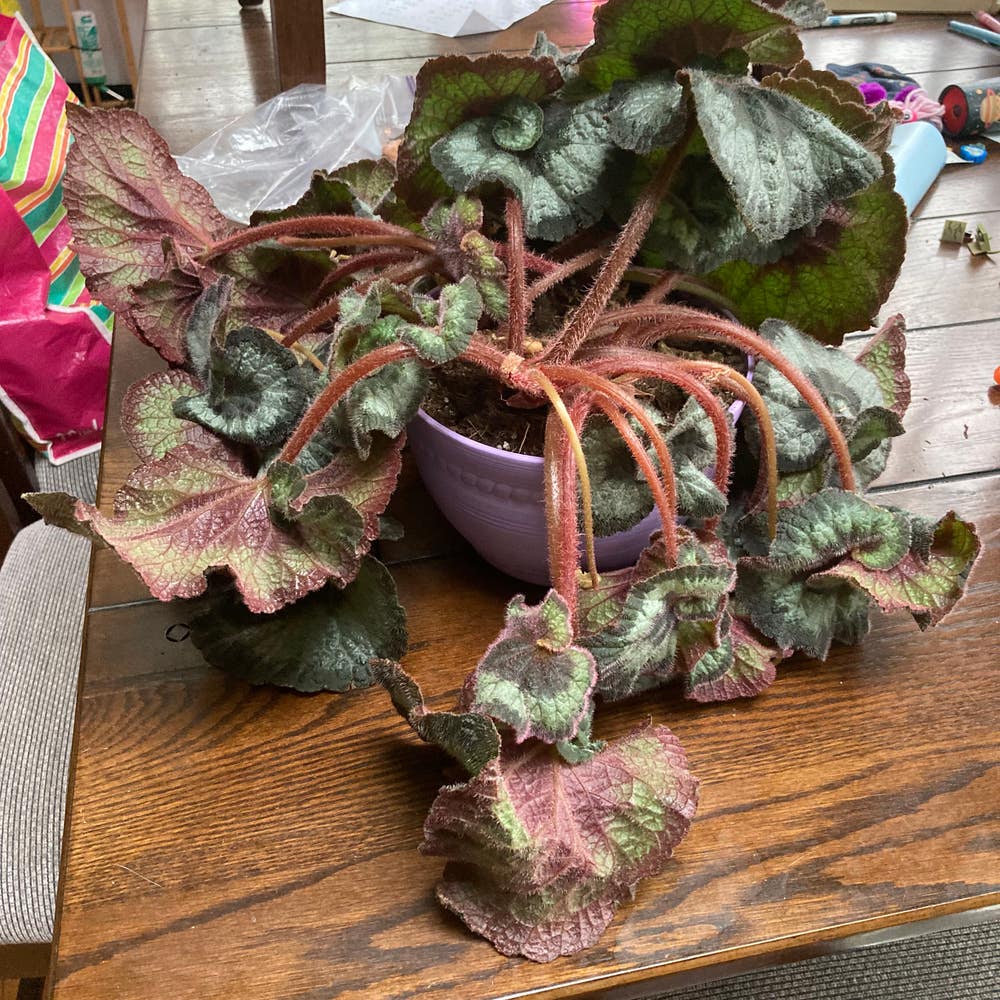
Best Soil Potting Mix for Rex Begonia 'Escargot'
Begonia 'Escargot'
By the Greg Editorial Team
Jun 18, 2024•3 min read
This article was created with the help of AI so we can cover more plants for you. May contain errors. See one? Report it here.
Transform your Rex Begonia 'Escargot' into a spiral sensation with this ultimate soil mix guide 🌀🌱.
- 🌱 Mold, odor, and soggy texture signal soil distress in 'Escargot'.
- Peat moss, perlite, and sand create the perfect potting mix balance.
- Test and tweak your DIY mix for the healthiest 'Escargot' growth.
Spotting and Fixing Unhappy 'Escargot' Soil
🚨 Recognizing the SOS Signs from Your Soil
Mold tales: When your soil is telling you it's sick.
Mold on your Rex Begonia 'Escargot' soil is a red flag. It's not just an eyesore; it's a thief, stealing nutrients. A musty smell? That's your soil's cry for help. If you see a colorful fuzz or slimy patches, it's time to act. Yellowing leaves or a soil texture that's too soggy are also signs of distress.
🚩 Other red flags: Odor, color, and texture clues.
Keep an eye out for a foul stench—it's the hallmark of decay. If the soil's aroma reminds you of last week's leftovers, you've got a problem. And let's talk about color: if your soil's looking more like a swamp than a nurturing bed, it's screaming for an intervention.
🔄 Turnaround Tactics for Troubled Terrain
Drying out the drama: Adjusting watering habits.
Overwatering is often the culprit. Let the soil dry out a bit between waterings. Think of it as giving your 'Escargot' a chance to catch its breath.
Let it breathe: Enhancing soil aeration.
If your soil's suffocating, mix in some perlite or coarse sand. It's like giving your plant's roots a spacious loft to live in.
The repotting rescue: When it's time for a fresh start.
Sometimes, a complete do-over is what's needed. If your 'Escargot' is drowning in soggy soil, it's time to repot. Shake off the old soil, trim any black, mushy roots, and introduce your plant to a fresh, airy mix. Remember, it's not just a change of scenery—it's a life-saving transplant.

Crafting the Ultimate Soil Potting Mix
🌱 The 'Escargot' Soil Wishlist
Moisture mastery is crucial for Rex Begonia 'Escargot'. The soil must retain enough water to hydrate the roots while avoiding sogginess. Airy aspirations are equally important; roots need oxygen to thrive. A mix that's too dense suffocates them. pH perfection is about hitting the sweet spot, usually between 5.5 and 6.5, to allow optimal nutrient uptake.
🌿 Mix Masterclass: Ingredients for Success
Peat moss power is undeniable. It's a moisture maestro, holding water and releasing it slowly to roots. Perlite perks include improved drainage and aeration, keeping the soil structure light and breathable. The drainage duo, sand and bark fines, ensures excess water flows freely, preventing root rot.

DIY: Your Homebrew Soil Mix for 'Escargot'
🌱 The Recipe for Root Bliss
📏 Measuring the mix: Proportions for perfection.
Start with three parts all-purpose potting soil as your steadfast base. Introduce one part perlite to keep it light and prevent your 'Escargot' from drowning in excess moisture. Add one part peat moss to regulate moisture and maintain a neutral pH. For a nutritional boost, half a cup of worm castings or compost will do the trick. If you're feeling adventurous, a sprinkle of coarse sand can improve drainage.
🥄 Stirring the pot: Blending your ingredients.
Think of yourself as a chef—mix these components with gusto. Ensure an even blend to avoid pockets of any one material. Your goal is a uniform mix where each root experiences the same level of care.
🧪 Quality Control: Testing and Tweaking
🌱 Trial run: Potting a test plant.
Grab a guinea pig plant and pot it in your new mix. This is your litmus test—observe how the soil holds moisture and supports growth.
🛠️ Adjustments: Fine-tuning your mix.
If your test plant throws a fit, it's back to the drawing board. Too dense? Add more perlite. Too dry? Increase peat moss. Keep tweaking until your 'Escargot' sends signals of sheer bliss.

⚠️ Safety First
This content is for general information and may contain errors, omissions, or outdated details. It is not medical, veterinary advice, or an endorsement of therapeutic claims.
Always consult a qualified healthcare professional before using any plant as food, medicine, or supplement.
Never eat any plant (or feed one to pets) without confirming its identity with at least two trusted sources.
If you suspect poisoning, call Poison Control (800) 222-1222, the Pet Poison Helpline (800) 213-6680, or your local emergency service immediately.
Spotted an error? Please report it here.
Perfect your DIY soil mix 🌀 for Rex Begonia 'Escargot' with Greg's moisture monitoring, ensuring your plant baby prospers in its tailored environment.