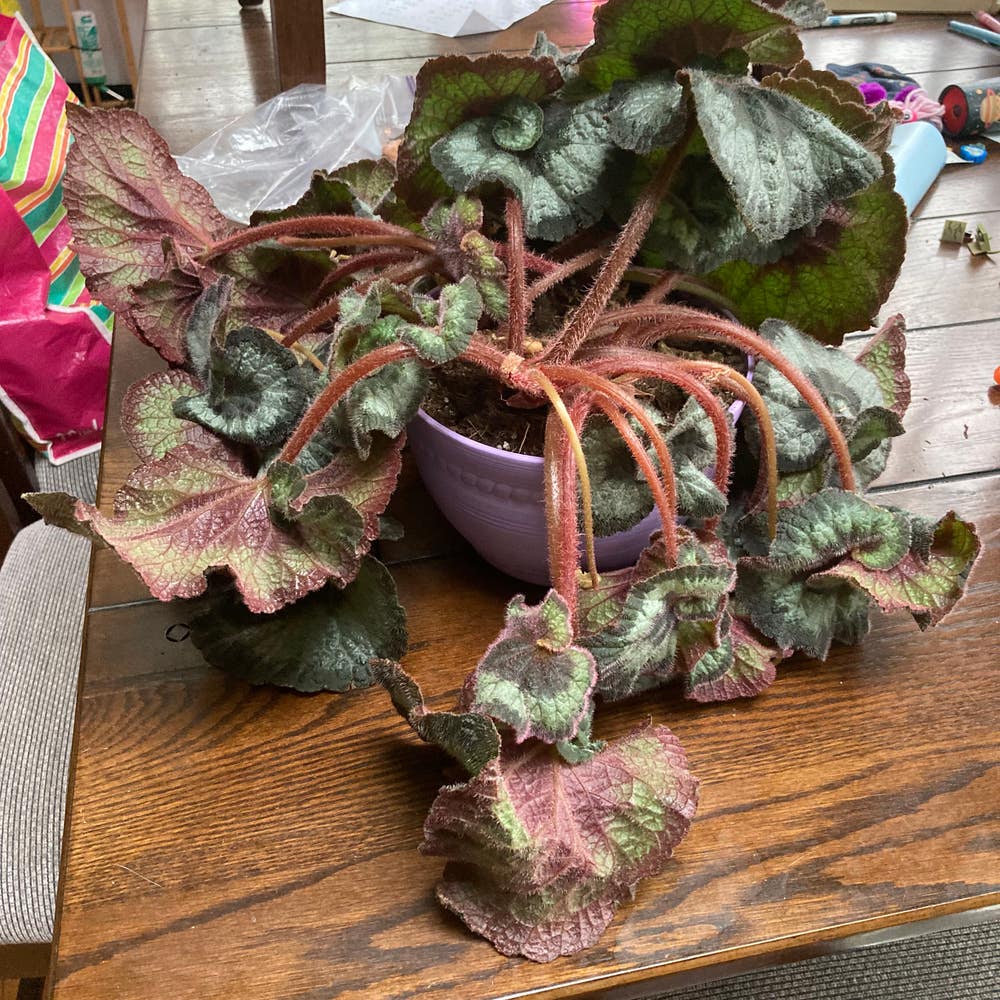
🐌 All About Your Rex Begonia 'Escargot''s Roots
Begonia 'Escargot'
By the Greg Editorial Team
Sep 28, 2024•5 min read
This article was created with the help of AI so we can cover more plants for you. May contain errors. See one? Report it here.
Boost your Rex Begonia 'Escargot' roots 🌱 with essential care tips for vibrant, thriving plants!
- 🌱 Rex Begonia 'Escargot' has fibrous roots that efficiently absorb nutrients and moisture.
- 💧 Prevent root rot by allowing soil to dry slightly between waterings.
- 🌿 Repot every 1-2 years to ensure healthy root growth and vitality.
Root System Characteristics
Type of Root System 🌱
Rex Begonia 'Escargot' features a fibrous root system, characterized by numerous thin roots that spread out horizontally. This type of root system is efficient for nutrient absorption, allowing the plant to thrive in various soil conditions.
In comparison to other root types, fibrous roots differ significantly from taproots, which grow deep into the soil, and rhizomatous roots, which spread underground horizontally. Each type has its advantages, but the fibrous system is particularly adept at maximizing surface area for nutrient uptake.
Root Depth and Spread 📏
The typical root depth of the Rex Begonia 'Escargot' is shallow, generally within the top 6-12 inches of soil. This shallow rooting allows the plant to quickly access moisture and nutrients available in the upper soil layers.
In terms of root spread, these plants exhibit extensive lateral growth. This adaptation helps them maximize nutrient uptake, especially in nutrient-poor soils. Additionally, the roots can adjust their growth patterns based on environmental conditions, ensuring the plant remains healthy and resilient.
Watering and Fertilizing Techniques
🌱 Impact of Root System on Watering Needs
The fibrous root system of your Rex Begonia 'Escargot' thrives best with specific watering practices. Allowing the soil to dry slightly between waterings is crucial; this prevents root rot and promotes healthy growth.
Watch for signs of overwatering, such as yellowing leaves, wilting, and mushy roots. These indicators can signal that your plant is struggling, so adjust your watering routine accordingly.
🌿 Fertilizing Techniques for Healthy Roots
To nourish your Begonia, opt for balanced fertilizers with NPK ratios suitable for flowering plants. This ensures your plant receives the essential nutrients it needs for robust root development.
During the growing season, fertilize monthly to keep your plant thriving. Remember to dilute the fertilizer to avoid root burn, applying it evenly around the base of the plant for best results.
By mastering these watering and fertilizing techniques, you’ll set the stage for a flourishing Rex Begonia 'Escargot'. Next, let’s explore the best practices for transplanting and repotting to further support your plant’s health.
Transplanting and Repotting Best Practices
🌱 Best Practices for Transplanting
Timing is crucial when transplanting your Rex Begonia 'Escargot'. Aim for spring or early summer, as this is when the plant is most active and can recover quickly.
Choosing the right soil is equally important. A well-draining potting mix will support root health and prevent issues like root rot.
🔍 Signs Indicating When to Repot
Keep an eye out for rootbound indicators. If you notice roots growing out of drainage holes or circling the pot, it’s time to consider repotting.
Generally, you should repot every 1-2 years or whenever you see growth slowing. This ensures your plant has enough space to thrive and access nutrients effectively.
Understanding these transplanting and repotting practices will help you maintain a healthy Rex Begonia 'Escargot'. Next, let’s explore common root-related issues that can affect your plant's vitality.
Common Root-Related Issues
🥴 Identifying Root Rot and Its Causes
Root rot is a serious issue for your Rex Begonia 'Escargot'. Symptoms include wilting leaves, mushy roots, and a foul odor emanating from the soil.
The primary causes of root rot are overwatering, poor drainage, and compacted soil. It's essential to monitor your watering habits and ensure your pot has adequate drainage to prevent this condition.
🌱 Solutions for Rootbound Conditions
Recognizing rootbound plants is crucial for their health. Signs include roots growing out of drainage holes or circling the pot, indicating they need more space.
To remedy rootbound conditions, consider repotting techniques. Gently remove the plant from its pot, loosen the roots, and place it in a larger container with fresh soil. Root pruning can also help, trimming away any excessively long or circling roots to encourage new growth.
Understanding these issues and their solutions will keep your Rex Begonia thriving. Next, let’s explore how to maintain root health during propagation and division.
Root Health Indicators
👀 Visual Cues of Healthy vs. Unhealthy Roots
Healthy roots are a sight to behold. They should feel firm and display a white or light tan color, indicating vitality and good health.
In contrast, unhealthy roots tell a different story. Look for dark, mushy textures and a foul smell, which are clear signs that something is wrong.
🌱 Importance of Root Health for Overall Plant Vitality
Root health is crucial for your Rex Begonia 'Escargot'. Strong roots enhance the plant's resilience against stress factors like drought, pests, and diseases.
When roots are thriving, the entire plant benefits, leading to lush foliage and vibrant growth. Prioritizing root care ensures your plant remains robust and beautiful.
Understanding these indicators will empower you to maintain a healthy plant, setting the stage for the next topic on propagation and division techniques.
Propagation and Division Techniques
🌱 Maintaining Root Health During Propagation
When propagating your Rex Begonia 'Escargot', it's crucial to minimize disturbance to existing roots. This ensures that the plant remains healthy and can continue to thrive.
For effective propagation, consider using leaf cuttings and offsets. Both methods are straightforward and can yield new plants without compromising the parent plant's root system.
✂️ Best Practices for Dividing
Timing is everything when it comes to dividing your Begonia. Aim for spring or early summer, as this is when the plant is actively growing and can recover quickly.
Successful division requires the right tools and soil preparation. Use clean, sharp scissors to cut through the roots, and ensure you have a well-draining potting mix ready for the new divisions. After dividing, provide proper aftercare to help your plants establish themselves in their new homes.
Understanding these techniques will not only enhance your propagation efforts but also contribute to the overall health of your Rex Begonia 'Escargot'. With the right approach, you can enjoy a flourishing collection of these stunning plants.
Next, we’ll explore common root-related issues that can affect your Begonia's health.
⚠️ Safety First
This content is for general information and may contain errors, omissions, or outdated details. It is not medical, veterinary advice, or an endorsement of therapeutic claims.
Always consult a qualified healthcare professional before using any plant as food, medicine, or supplement.
Never eat any plant (or feed one to pets) without confirming its identity with at least two trusted sources.
If you suspect poisoning, call Poison Control (800) 222-1222, the Pet Poison Helpline (800) 213-6680, or your local emergency service immediately.
Spotted an error? Please report it here.
Unlock your Rex Begonia 'Escargot's potential with tailored care tips 🌱 from Greg, ensuring its roots stay healthy and vibrant for a thriving plant!