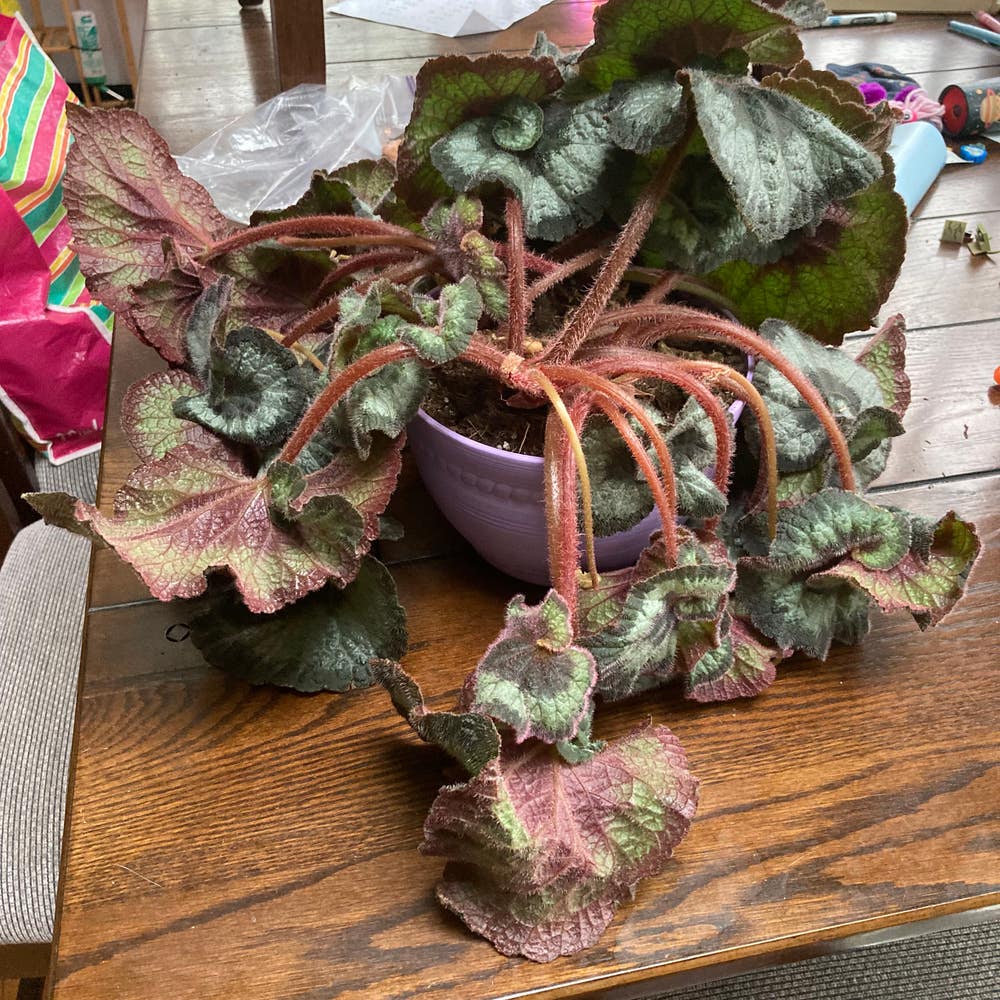
Choosing Fertilizer For My Rex Begonia 'Escargot'
Begonia 'Escargot'
By the Greg Editorial Team
Jun 18, 2024•4 min read
This article was created with the help of AI so we can cover more plants for you. May contain errors. See one? Report it here.
Nurture your Rex Begonia 'Escargot' to perfection 🌿 with the ultimate guide to choosing and timing fertilizer!
- Organic vs. Synthetic: Choose based on your Rex Begonia's needs and eco-preferences.
- Balanced N-P-K Ratio: Essential for lush leaves and vibrant colors.
- Seasonal Fertilizing: Monthly in growth, reduced in winter, avoid over-fertilization.
Picking the Perfect Fertilizer
💚 Organic vs. Synthetic: Which Way to Go?
Organic fertilizers are the tortoises of the nutrient world, winning the race with slow, steady nourishment that mimics natural soil processes. They're eco-friendly and improve soil structure, but patience is key; results aren't immediate. Synthetic fertilizers are the hares, offering a rapid nutrient hit that can kickstart growth, especially when your Rex Begonia 'Escargot' is looking a little lackluster. However, they can lead to nutrient build-up and don't do much for soil health in the long run.
🌱 N-P-K Ratios: What's the Magic Number?
The N-P-K ratio is like a plant's dietary prescription, and for Rex Begonia 'Escargot', balance is key. A balanced fertilizer—think 10-10-10—provides equal parts nitrogen, phosphorus, and potassium, supporting overall health without overemphasizing leaves over blooms. During peak growth, a slight increase in phosphorus can encourage those signature spiraled leaves and subtle flowers. Remember, more isn't always better; it's about the right nutrients at the right time.

Timing is Everything: When to Fertilize
🌱 Growing Season Galore
Fertilizing your Rex Begonia 'Escargot' is like tuning an instrument; timing is crucial for the perfect pitch. During the growing season, which typically spans from March to September, your begonia is in its element, unfurling leaves and maybe even showing off some blooms. This is the time to fertilize monthly, giving it the nutrients it needs to thrive.
❄️ Winter Woes: To Feed or Not to Feed?
When winter whispers its arrival, your 'Escargot' begins to doze off. From October to February, it's less about growth and more about maintenance. Reduce your fertilizing frequency to a half-strength dose every six to eight weeks. If your begonia is completely dormant, it's okay to skip the winter snacks altogether. Remember, over-fertilizing now is like pouring coffee into a sleeping plant's pot—unnecessary and potentially disruptive.

Fertilizer Application: Doing it Right
🌿 The Mix-Up: Dilution Ratios for Liquid Gold
Precision is your middle name when it comes to mixing liquid fertilizers for your Rex Begonia 'Escargot'. Think of yourself as a bartender for your plants, where every drop counts. Halve the recommended strength to avoid the tragedy of fertilizer burn. Apply this diluted elixir to moist soil, ensuring your begonia gets just the right buzz of nutrients without the hangover.
🌱 The Slow Release Strategy
When it comes to granular or slow-release fertilizers, it's all about the long game. These tiny nutrient-packed pellets are the introverts of the fertilizer world, releasing their goods gradually over time. Sprinkle them on the soil surface and water them in, like you're tucking them in for a slow journey to the root zone. Remember, less is often more; a controlled-release fertilizer applied every three months can be just the ticket for sustained growth without the risk of overdose.

Keeping an Eye Out: Signs of Success and Excess
🌱 Spotting the Good Signs
Vigilance is your ally in the quest for a flourishing Rex Begonia 'Escargot'. When your fertilization game is on point, you'll notice lush leaves unfurling with vigor and a color so rich, it could make a rainbow jealous. New growth is the plant's way of giving you a high-five for your efforts.
🚨 SOS: Saving Over-Served Begonias
But sometimes, even the best intentions can lead to an overzealous fertilizer pour. Brown leaf tips or edges are the plant's version of a white flag, signaling a cry for help. If you spot a white crust on the soil or the rim of the pot, that's your cue that the fertilizer has been partying a little too hard, leaving behind a salty hangover.
Stunted growth is another tell-tale sign that your Begonia is begging for a break. It's like hitting the pause button on a remote—it's not going anywhere fast. And if the leaves start sporting unsightly brown spots, it's time to switch from plant parent to plant paramedic.
Taking corrective action means dialing back on the fertilizer front. Prune the damaged leaves—they're as likely to recover as a burnt toast. Flush the soil with water to wash away the excess fertilizer, like a detox for your plant's roots. Remember, less is more, and your Begonia will thank you with a comeback worthy of a standing ovation.
⚠️ Safety First
This content is for general information and may contain errors, omissions, or outdated details. It is not medical, veterinary advice, or an endorsement of therapeutic claims.
Always consult a qualified healthcare professional before using any plant as food, medicine, or supplement.
Never eat any plant (or feed one to pets) without confirming its identity with at least two trusted sources.
If you suspect poisoning, call Poison Control (800) 222-1222, the Pet Poison Helpline (800) 213-6680, or your local emergency service immediately.
Spotted an error? Please report it here.
Flourish your 'Escargot' 🌿 with Greg's tailored fertilizing schedule, avoiding over-fertilization and promoting vibrant growth with ease.