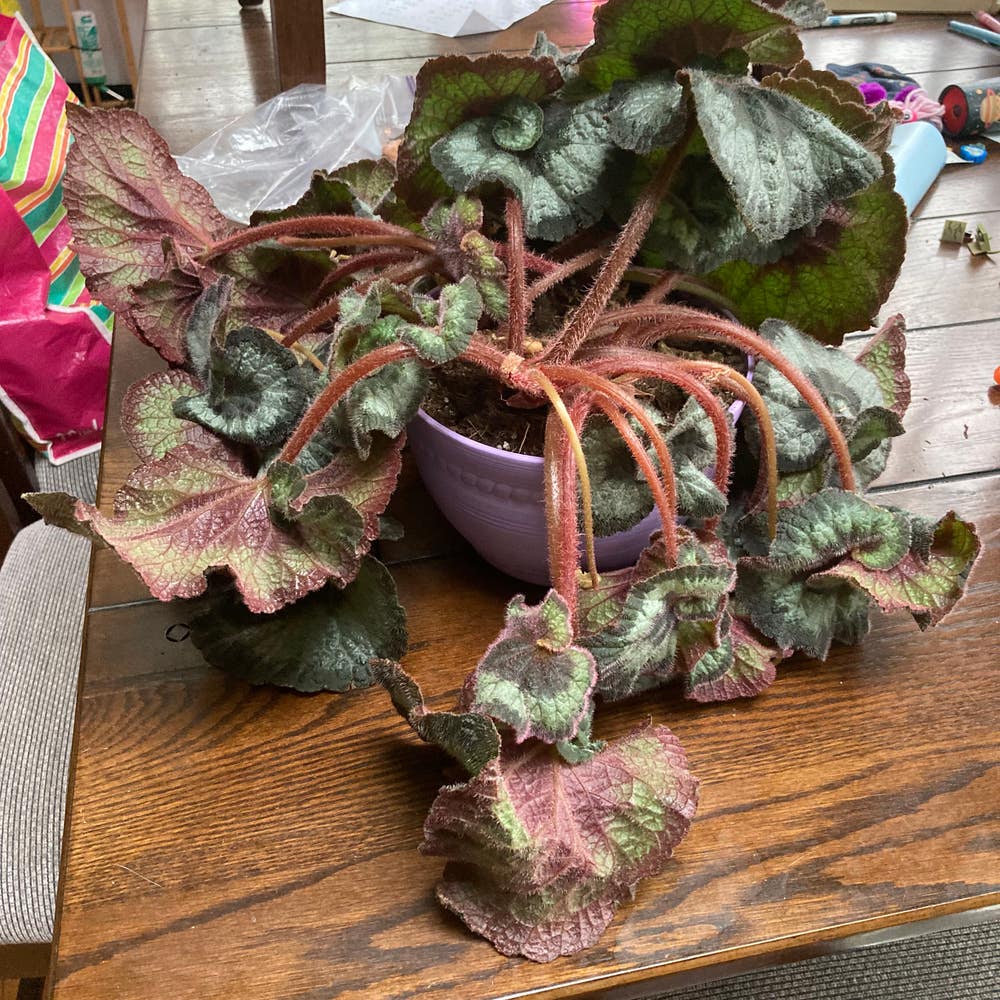
Rex Begonia 'Escargot' Buds Won't Open 🐌
Begonia 'Escargot'
By the Greg Editorial Team
Sep 28, 2024•4 min read
This article was created with the help of AI so we can cover more plants for you. May contain errors. See one? Report it here.
Revive your Rex Begonia 'Escargot' blooms 🌼 with expert tips to tackle common flowering issues and ensure vibrant growth!
- 🌞 Bright, indirect light (1,000-2,000 foot-candles) is essential for Rex Begonia blooms.
- 🌱 Nutritional deficiencies in nitrogen, phosphorus, and potassium hinder flower bud development.
- 💧 Consistent temperature (65°F-75°F) and humidity (50%-70%) are crucial for bud opening.
Flowering Issues in Rex Begonia 'Escargot'
🌱 Causes of Buds Not Opening
Insufficient Light Exposure
Rex Begonia 'Escargot' thrives in bright, indirect light. Its unique spiral leaf shape can block light from reaching lower leaves, impacting overall blooming.
To encourage optimal flowering, aim for light levels of around 1,000 to 2,000 foot-candles. This ensures that all parts of the plant receive adequate illumination.
Nutritional Deficiencies
Nutritional imbalances can hinder flower bud development. Common deficiencies include nitrogen, phosphorus, and potassium, which are crucial for healthy blooms.
Watch for signs like yellowing leaves or stunted growth, indicating that your plant may need a nutrient boost.
Environmental Stress
Temperature fluctuations can stress your Rex Begonia, affecting bud development. Ideally, maintain a consistent temperature between 65°F and 75°F.
Humidity also plays a vital role; low humidity can prevent buds from opening. Aim for humidity levels around 50% to 70% for best results.
Overwatering and Poor Drainage
Excess moisture can lead to root rot, severely impacting flowering. Poor drainage prevents roots from getting the oxygen they need, causing stress.
Look for symptoms like wilting or mushy stems, which indicate root issues that may affect bud health.
💡 Solutions for Buds Not Opening
Adjusting Light Conditions
To improve light exposure, consider using grow lights if natural light is insufficient. Place your plant near a window but avoid direct sunlight.
Rotating the plant every few weeks ensures even light distribution, promoting balanced growth and blooming.
Nutrient Management
Use a balanced fertilizer high in phosphorus to encourage flower development. Fertilize every 4-6 weeks during the growing season for optimal results.
Follow the manufacturer's instructions for application to avoid over-fertilization, which can harm your plant.
Environmental Adjustments
Maintain consistent temperature and humidity levels to support bud opening. Use a humidifier or pebble tray to increase humidity if necessary.
Aim for humidity levels between 50% and 70% to create a comfortable environment for your Rex Begonia.
Watering Practices
Water your plant when the top inch of soil feels dry. This prevents overwatering while ensuring the plant remains hydrated.
Opt for well-draining soil to promote healthy root systems, reducing the risk of root rot.
🌼 Common Causes of Premature Flower Drop
Inconsistent Watering Practices
Inconsistent watering can lead to flower drop. Underwatering causes stress, while overwatering can lead to root rot.
Finding a balance is key to keeping your plant healthy and blooming.
Stress from Environmental Changes
Sudden temperature changes can shock your Rex Begonia, leading to premature flower drop. Moving the plant to a new location can also cause stress.
Acclimating your plant gradually helps minimize this risk.
Pests and Diseases
Pests like aphids and spider mites can affect flower retention. Look for signs such as webbing or sticky residue on leaves.
Diseases can also lead to bud drop, so regular inspections are essential for early detection.
🛠️ Solutions for Premature Flower Drop
Establishing a Consistent Watering Schedule
Aim to water your Rex Begonia consistently, ideally once a week. Adjust based on environmental conditions and plant needs.
Using a moisture meter can help you gauge when it's time to water.
Environmental Stabilization
Gradually acclimate your plant to new conditions to reduce stress. This can involve slowly introducing it to different light or temperature levels.
Creating a stable environment helps your plant thrive.
Pest and Disease Management
Regularly inspect your plant for pests and diseases. If you notice any issues, treat them promptly with appropriate insecticides or fungicides.
Preventative measures, like keeping the plant clean, can also help avoid infestations.
🌸 Causes and Solutions for Abnormal Flower Development
Genetic Factors
Variability among different Rex Begonia 'Escargot' varieties can lead to abnormal flower development. Some plants may simply have unique traits.
Understanding your specific variety can help set realistic expectations.
Inadequate Light and Nutrition
Insufficient light can distort flower morphology, while nutritional imbalances can lead to poor blooms.
Ensuring your plant receives adequate light and nutrients is crucial for healthy flower development.
🌿 Solutions for Abnormal Flower Development
Optimizing Light and Nutrient Intake
Adjust light exposure to improve flower shape. Consider using grow lights if natural light is lacking.
For nutrients, a balanced fertilizer with a focus on phosphorus can promote healthy blooms.
Monitoring Plant Health
Regularly inspect your Rex Begonia for signs of stress or disease. Early detection can prevent more significant issues down the line.
Maintaining overall plant vigor is essential for promoting robust flowering.
✂️ Pruning for Better Flowering
Importance of Pruning for Flower Development
Pruning encourages new growth, which can lead to more blooms. Timing your pruning correctly is vital for optimal results.
Regular maintenance can significantly enhance flowering potential.
Techniques for Effective Pruning
Use sharp, clean tools to make precise cuts. This minimizes damage and promotes healthy growth.
Focus on removing dead or damaged leaves to encourage new growth.
Frequency of Pruning
Aim to prune your Rex Begonia every few months. This regular maintenance supports flowering and keeps the plant looking its best.
With proper care, your Rex Begonia 'Escargot' can thrive and produce stunning blooms.
⚠️ Safety First
This content is for general information and may contain errors, omissions, or outdated details. It is not medical, veterinary advice, or an endorsement of therapeutic claims.
Always consult a qualified healthcare professional before using any plant as food, medicine, or supplement.
Never eat any plant (or feed one to pets) without confirming its identity with at least two trusted sources.
If you suspect poisoning, call Poison Control (800) 222-1222, the Pet Poison Helpline (800) 213-6680, or your local emergency service immediately.
Spotted an error? Please report it here.
Unlock your Rex Begonia 'Escargot's' blooming potential 🌼 with Greg's tailored care reminders for light, watering, and nutrition that keep your plant thriving!