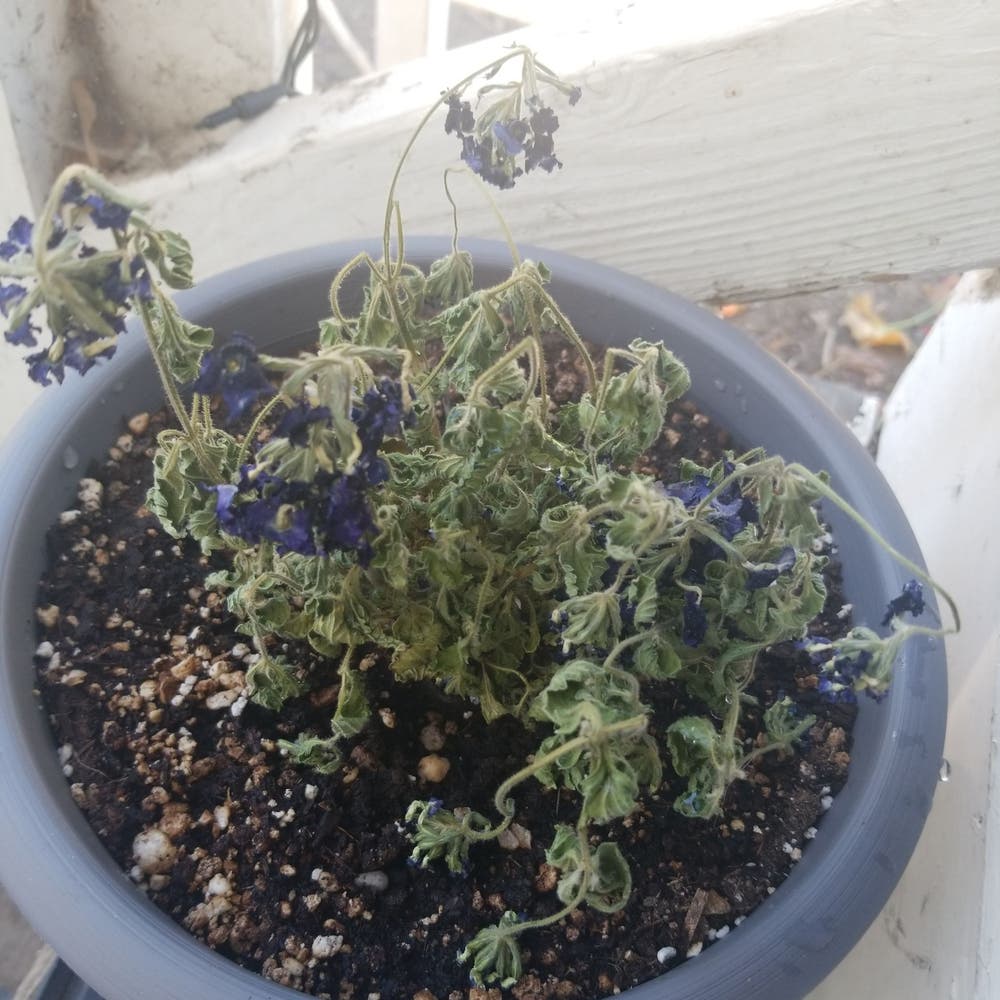
🔍 Identifying What is Eating Your Purple Rain Flower
Verbena 'Purple Rain'
By the Greg Editorial Team
Oct 17, 2024•7 min read
This article was created with the help of AI so we can cover more plants for you. May contain errors. See one? Report it here.
- 🌸 Purple Rain flowers attract both pollinators and herbivores, requiring vigilant protection.
- 🦌 Common herbivores include deer, rabbits, and squirrels; use repellents and fencing to deter them.
- 🐝 Beneficial insects like bees enhance pollination, promoting a healthier garden ecosystem.
Description and Appeal
Appearance 🌸
The Purple Rain flower captivates with its vibrant purple blooms, which typically measure around 2 to 4 inches in diameter. These stunning flowers bloom from late spring to early summer, creating a striking visual display in any garden.
The foliage is equally attractive, featuring glossy green leaves that are oval-shaped and serrated along the edges. This combination of color and texture enhances the overall appeal of the plant, making it a favorite among gardeners.
In terms of growth habit, the Purple Rain flower can reach heights of 1 to 3 feet, with a spread of about 2 feet. Its bushy structure adds fullness to garden beds, making it a standout choice for landscaping.
Most Appealing Parts to Animals 🐾
Young shoots are particularly appealing to herbivores due to their tenderness and high nutritional value. These fresh growths are often the first targets for hungry animals looking for a nutritious snack.
The flowers themselves are not just visually stunning; they are also nectar-rich, attracting various pollinators and herbivores alike. This makes them a prime target for animals seeking a sweet treat.
Lastly, the fruits of the Purple Rain flower are another attractive feature. Their availability and vibrant colors draw in a variety of herbivores, making them a significant part of the plant's allure in the garden.
Understanding these appealing aspects can help gardeners protect their plants from potential threats while appreciating their beauty. As we delve deeper into common herbivores, you'll learn how to safeguard your Purple Rain flower from these eager munchers.
Common Herbivores
🦌 Deer
Signs of Presence and Damage
Deer can be a gardener's nightmare. Look for browsing patterns, particularly the height of damage, which typically ranges from 1 to 6 feet, indicating their preferred feeding zones.
Tracks and droppings are also telltale signs. Deer tracks are heart-shaped, while their droppings resemble small pellets scattered around the garden.
Interaction Type
Deer are generally harmful to your purple rain flower. They can decimate flower populations, leaving behind a trail of destruction.
Deterrent Methods (difficulty: moderate)
To keep deer at bay, consider chemical deterrents like commercial deer repellents. Alternatively, organic methods such as planting deer-resistant species or using scent deterrents like human hair and soap can be effective.
🐇 Rabbits
Signs of Presence and Damage
Rabbits leave their mark through chewed stems and leaves. The height of the damage is usually low, often just a few inches off the ground.
You may also find small, round droppings near the plant, which are a clear indicator of their presence.
Interaction Type
Rabbits are generally harmful, especially to young plants. Their nibbling can severely impact growth and flowering.
Deterrent Methods (difficulty: easy)
For a quick fix, use chemical deterrents like bitter sprays. Organic methods such as fencing or applying repellents like cayenne pepper can also help keep rabbits away.
🐿️ Squirrels
Signs of Presence and Damage
Squirrels can be sneaky little pests. Look for gnawed stems and roots, which indicate their feeding habits.
Nesting behavior is another sign; if you spot nests nearby, it’s likely squirrels are in the area.
Interaction Type
Squirrels are generally harmful as they can strip flowers and fruits. Their relentless foraging can leave your garden looking bare.
Deterrent Methods (difficulty: moderate)
Consider chemical deterrents like commercial squirrel repellents. Organic scare tactics, such as using reflective objects or noise, can also deter these furry intruders.
🐦 Birds
Signs of Presence and Damage
Birds can be both friends and foes. Pecked flowers and fruits are clear signs of their feeding habits.
Nesting behavior nearby can also indicate their presence, which may lead to both beneficial and harmful interactions.
Interaction Type
Birds have mixed interactions with your garden. While some pollinate, others can cause damage by feeding on flowers and fruits.
Deterrent Methods (difficulty: easy)
To protect your plants, use organic methods like netting or reflective tape. These can effectively deter birds from feasting on your flowers.
🐭 Rodents
Signs of Presence and Damage
Rodents can wreak havoc in your garden. Look for burrowing near roots, which can destabilize your plants.
Chewed leaves and stems are also signs of feeding, indicating a rodent problem.
Interaction Type
Rodents are generally harmful, causing significant plant damage. Their relentless gnawing can lead to severe consequences for your purple rain flower.
Deterrent Methods (difficulty: moderate)
Chemical deterrents like rodent bait stations can be effective. Alternatively, organic methods such as traps or planting deterrent plants like mint can help keep them at bay.
🦡 Groundhogs/Woodchucks
Signs of Presence and Damage
Groundhogs leave large holes and burrows as signs of habitation. These can be quite noticeable in your garden.
Chewed stems and leaves indicate their feeding habits, often resulting in significant damage.
Interaction Type
Groundhogs are generally harmful and can devastate garden areas. Their voracious appetite can lead to a complete loss of your flowers.
Deterrent Methods (difficulty: hard)
For groundhogs, consider chemical deterrents like commercial repellents. Organic methods, such as fencing buried at least 12 inches deep, can provide a more permanent solution.
Understanding these common herbivores and their impact on your purple rain flower is crucial for effective garden management. With the right deterrent methods, you can protect your plants and enjoy their beauty for seasons to come.
Beneficial Animals
Description of Beneficial Animals 🐝
When it comes to your Purple Rain flower, not all visitors are harmful. Pollinators like bees and butterflies play a crucial role in reproduction, ensuring vibrant blooms and healthy growth.
In addition, predatory insects such as ladybugs and lacewings help keep pest populations in check. Their presence can significantly enhance the health of your garden.
Positive Impacts 🌱
The benefits of these beneficial animals are twofold. Enhanced pollination leads to better fruit and seed production, ensuring your garden thrives.
Moreover, natural pest control reduces the need for chemical interventions. This not only protects your plants but also promotes a healthier ecosystem.
By fostering an environment that attracts these helpful creatures, you can enjoy a flourishing garden while minimizing the impact of harmful herbivores.
Next, let’s explore effective protection strategies to safeguard your Purple Rain flower from potential threats.
Protection Strategies
🛡️ Preventive Measures
Fencing is one of the most effective ways to protect your Purple Rain flowers. Aim for a height of at least 3 to 4 feet, and consider using materials like wire mesh or wooden panels to create a sturdy barrier.
Companion planting can also deter herbivores. Pairing your flowers with plants like marigolds or garlic can create a natural repellent effect, keeping unwanted visitors at bay.
🚨 Reactive Solutions
Regular monitoring is crucial for early detection of damage. Check your plants frequently for signs of nibbling or other disturbances.
When you notice any signs of herbivore activity, implement deterrents immediately. Quick action can save your plants from significant harm.
🍂 Seasonal Variations
In spring, herbivores become more active as they seek fresh growth. This is the time to be particularly vigilant.
Summer marks peak feeding times, so ensure your protective measures are in place.
As fall approaches, animals prepare for winter, leading to increased foraging. Stay alert during this season to safeguard your garden.
These strategies will help you maintain the beauty of your Purple Rain flowers while keeping pesky herbivores at bay. Next, let’s explore the toxicity and safety of these plants and their implications for both animals and gardeners.
Toxicity and Safety
⚠️ Toxic Effects
While the Purple Rain flower is a stunning addition to any garden, it does come with a caveat: mild toxicity. Certain species, particularly those with vibrant blooms, can pose risks to herbivores that nibble on them.
Symptoms of toxicity can vary but often include gastrointestinal distress in animals. Look for signs like drooling, vomiting, or lethargy, which indicate that a creature may have ingested something harmful.
🐾 Implications
The mild toxicity of the Purple Rain flower can serve as a double-edged sword. On one hand, it may deter some herbivores from munching on your prized blooms, providing a natural defense mechanism.
On the other hand, some animals might be undeterred by the mild toxicity, drawn in by the flower's vibrant colors and sweet nectar. This complex relationship highlights the importance of monitoring your garden closely to protect your plants effectively.
As you navigate the challenges of keeping your Purple Rain flower safe, understanding its toxicity can empower you to make informed decisions about deterrent strategies. Next, let’s explore some effective protection strategies to keep your garden thriving.
⚠️ Safety First
This content is for general information and may contain errors, omissions, or outdated details. It is not medical, veterinary advice, or an endorsement of therapeutic claims.
Always consult a qualified healthcare professional before using any plant as food, medicine, or supplement.
Never eat any plant (or feed one to pets) without confirming its identity with at least two trusted sources.
If you suspect poisoning, call Poison Control (800) 222-1222, the Pet Poison Helpline (800) 213-6680, or your local emergency service immediately.
Spotted an error? Please report it here.
Keep your Purple Rain flower thriving 🌼 by using Greg's tailored tips and reminders to protect it from herbivores while attracting beneficial pollinators!