🌧 9 Essential Outdoor Purple Rain Flower Care Routines
Verbena 'Purple Rain'
By the Greg Editorial Team
Oct 17, 2024•5 min read
This article was created with the help of AI so we can cover more plants for you. May contain errors. See one? Report it here.
- 🌞 Purple Rain flowers need 6-8 hours of sunlight daily for optimal growth.
- 💧 Moderate watering and well-draining soil are crucial for healthy root development.
- 🌱 Monthly balanced fertilizers support vibrant blooms during the growing season.
Sunlight and Watering Needs
Ideal Sunlight Exposure 🌞
Purple Rain flowers thrive in full sun, requiring 6 to 8 hours of direct sunlight daily. Insufficient sunlight can lead to stunted growth and fewer blooms, so positioning them correctly is crucial for a vibrant display.
Watering Frequency and Techniques 🚰
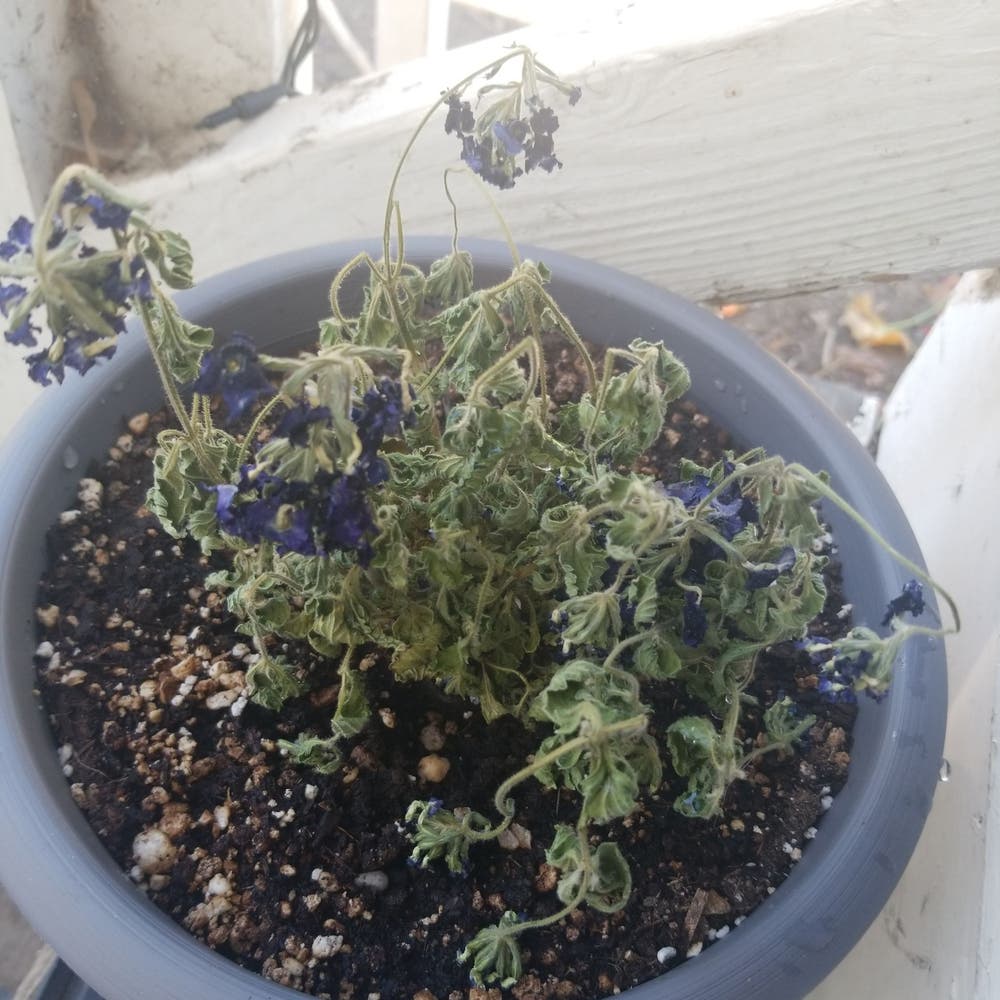
These flowers need moderate watering, ideally in well-draining soil to prevent waterlogging. Employ deep watering techniques to encourage strong root development, and always check for signs of overwatering or underwatering, such as yellowing leaves or wilting.
Effective Watering Techniques 💧
To ensure your Purple Rain flowers flourish, focus on deep watering. This method allows moisture to penetrate the soil deeply, promoting healthy root growth while avoiding waterlogging.
Signs of Watering Issues ⚠️
Keep an eye out for yellowing leaves, which can indicate overwatering, or wilting, a sign of underwatering. Adjust your watering routine based on these visual cues to maintain plant health.
By understanding their sunlight and watering needs, you set the stage for a thriving garden. Next, let’s explore the soil and fertilization preferences that will further enhance your Purple Rain flowers' growth.
Soil and Fertilization Preferences
Best Soil Types 🌱
For your Purple Rain flowers to thrive, they need well-draining, fertile loam. This type of soil provides the perfect balance of nutrients and moisture retention, essential for robust growth.
The ideal soil pH for these flowers ranges from 6.0 to 7.5. Maintaining this pH level ensures that your plants can absorb nutrients effectively, promoting vibrant blooms.
Recommended Fertilizers and Application Methods 🌿
When it comes to fertilizers, balanced NPK options are your best bet. These fertilizers contain nitrogen, phosphorus, and potassium, which are crucial for healthy plant development.
Apply fertilizers monthly during the growing season to keep your plants nourished. This regular feeding helps sustain their growth and flowering potential.
You can choose between granular and liquid fertilizers based on your preference. Granular fertilizers release nutrients slowly, while liquid options provide a quick nutrient boost.
Incorporating these soil and fertilization practices will set your Purple Rain flowers up for success. With the right foundation, they’ll flourish and bring beauty to your outdoor space.
Next, let’s explore the planting options available for these stunning flowers, whether in containers or directly in the ground.
Planting Options: Container vs. In-Ground
🌱 Benefits and Drawbacks of Container Planting
Container planting offers remarkable mobility. You can easily relocate your purple rain flowers based on sunlight and weather conditions, ensuring they thrive.
This method is also space-saving, making it perfect for small gardens or patios. However, keep in mind that containers provide limited root space, which can lead to stunted growth if the plants outgrow their pots.
Another consideration is the increased watering frequency. Containers tend to dry out faster, requiring more regular attention to keep your flowers healthy.
🌍 Benefits and Drawbacks of In-Ground Planting
In-ground planting provides a natural growth environment. Your purple rain flowers will have more space for root development, which can lead to healthier plants.
Additionally, this method offers better moisture retention. Once established, in-ground plants typically need less frequent watering compared to their container counterparts.
However, in-ground planting comes with its own challenges. It offers less mobility, making it difficult to relocate your flowers if conditions change.
Lastly, soil preparation is crucial. It requires more initial effort for soil amendment, but the long-term benefits can be worth it.
Understanding these planting options will help you make informed decisions about the best environment for your purple rain flowers. Next, let’s explore how to protect your plants from weather extremes and pests.
Protection from Weather and Pests
🌧️ Strategies for Weather Protection
To keep your Purple Rain flowers thriving, weather protection is essential. Techniques like mulching and using row covers can shield your plants from extreme conditions.
Mulching helps retain soil moisture and regulate temperature, while row covers provide a barrier against harsh winds and frosts. Implement these strategies before seasonal changes to give your plants the best chance of survival.
🐛 Common Outdoor Pests and Control Methods
Outdoor pests can be a real headache for gardeners. Common culprits include aphids, slugs, and beetles, which can damage your beautiful blooms.
Identifying these pests early is crucial. Control methods such as organic pesticides and companion planting can effectively manage infestations while keeping your garden eco-friendly.
🦠 Disease Prevention Techniques
Preventing diseases is just as important as pest control. Common issues like root rot and powdery mildew can wreak havoc on your plants if not addressed.
To keep diseases at bay, focus on proper watering techniques, adequate spacing between plants, and ensuring good air circulation. These simple strategies can significantly reduce the risk of disease and promote healthy growth.
By implementing these protective measures, you can create a thriving environment for your Purple Rain flowers. Next, let’s explore the seasonal care routines that will keep your plants flourishing throughout the year.
Seasonal Care and Climate Considerations
🌱 Seasonal Care Routines
Caring for your Purple Rain flowers varies with the seasons.
Spring is all about planting and fertilization. This is the time to give your plants a strong start.
In summer, focus on regular watering and keep an eye out for pests. Consistent moisture is key to thriving blooms.
As fall approaches, prepare for winter by cutting back foliage. This helps the plant conserve energy during the colder months.
During winter, implement protective measures against frost. Covering your plants can make a significant difference in their survival.
🌍 Special Considerations for Different Climate Zones
Different climates require tailored care for your Purple Rain flowers.
In hot climates, increase watering and provide shade to prevent stress. This keeps your plants hydrated and happy.
For cold climates, mulching and insulation techniques are essential. These methods protect roots from freezing temperatures.
🔄 Adapting Care Based on Seasonal Changes
Monitoring plant health is crucial during seasonal transitions. Look for signs of stress, such as wilting or discoloration.
Adjust your care routines accordingly. Modifying watering and fertilization based on growth stages ensures your plants remain robust and vibrant.
By staying attuned to seasonal changes, you can foster a thriving garden that flourishes year-round.
⚠️ Safety First
This content is for general information and may contain errors, omissions, or outdated details. It is not medical, veterinary advice, or an endorsement of therapeutic claims.
Always consult a qualified healthcare professional before using any plant as food, medicine, or supplement.
Never eat any plant (or feed one to pets) without confirming its identity with at least two trusted sources.
If you suspect poisoning, call Poison Control (800) 222-1222, the Pet Poison Helpline (800) 213-6680, or your local emergency service immediately.
Spotted an error? Please report it here.
Grow vibrant Purple Rain flowers 🌸 effortlessly with Greg's tailored care reminders and expert tips, ensuring they get the sunlight, watering, and nutrients they crave!