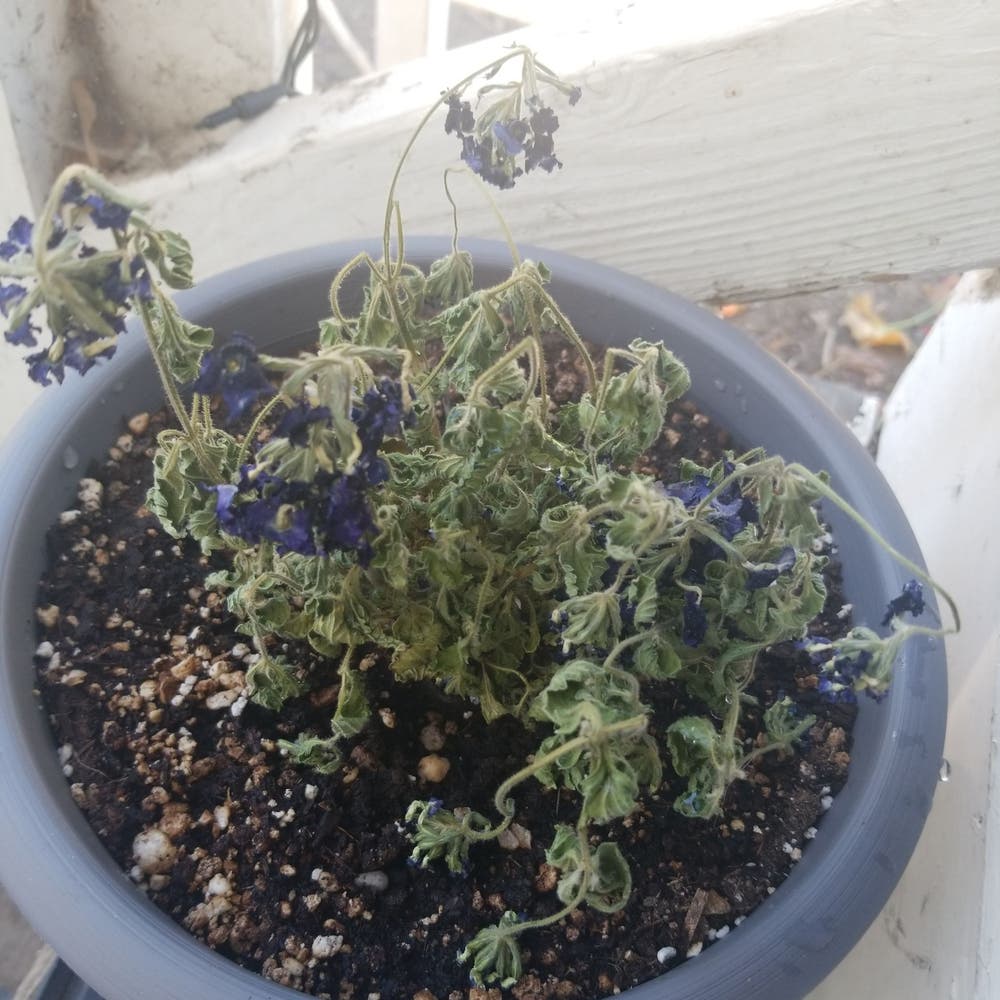
🌸 How to Fix Leaves Falling Over on Your Purple Rain Flower
Verbena 'Purple Rain'
By the Greg Editorial Team
Oct 17, 2024•5 min read
This article was created with the help of AI so we can cover more plants for you. May contain errors. See one? Report it here.
- 💧 Overwatering and underwatering both cause leaf drop; maintain a consistent watering schedule.
- 🌱 Nutrient deficiencies in nitrogen, potassium, and magnesium lead to poor growth and yellowing.
- 🐛 Pests and fungal infections can damage Purple Rain flowers; regular inspections are crucial.
Common Causes of Leaf Drop
💧 Overwatering Symptoms
Overwatering is a common culprit behind leaf drop in your Purple Rain flower. Look for yellowing leaves and mushy stems, which signal that your plant is drowning.
The soil will feel consistently wet and may have poor drainage. If you notice these signs, it’s time to reassess your watering habits.
🚰 Underwatering Symptoms
On the flip side, underwatering can also lead to leaf drop. Dry, crispy leaves and wilting are clear indicators that your plant is thirsty.
In this case, the soil will be dry and compacted, making it difficult for roots to absorb moisture. Regular checks can help you avoid this issue.
🌱 Nutrient Deficiency Signs
Nutrient deficiencies can significantly impact your plant's health. Common deficiencies include nitrogen, potassium, and magnesium, which can lead to yellowing leaves and poor growth.
If you notice leaf drop alongside these symptoms, it’s a sign that your plant needs a nutrient boost.
🐛 Pest Issues
Pests can wreak havoc on your Purple Rain flower. Common offenders include aphids, spider mites, and mealybugs.
Signs of infestation include webbing, sticky residue, and visible insects. Regular inspections can help catch these pests early.
🍄 Fungal Infections
Fungal infections are another potential cause of leaf drop. Look for discoloration on leaves and mold on the soil surface.
These symptoms indicate that your plant may be suffering from a fungal issue. Addressing it promptly can save your plant from further damage.
Understanding these common causes of leaf drop is crucial for maintaining the health of your Purple Rain flower. With this knowledge, you can take proactive steps to ensure your plant thrives. Next, let’s explore effective solutions to combat these issues.
Solutions for Leaf Drop
🌊 Adjusting Watering Practices
Establishing a consistent watering schedule is crucial. Always check the soil moisture before watering to avoid over or underwatering.
When you do water, soak the soil thoroughly until water drains from the bottom. Adjust your watering frequency based on the season and environmental conditions to keep your Purple Rain flower thriving.
🕳️ Improving Soil Drainage
Enhancing soil drainage can make a significant difference. Consider adding perlite or sand to your soil mix for better aeration.
When repotting, always choose pots with drainage holes. This simple step can prevent water from pooling at the bottom, which is a common cause of leaf drop.
🌱 Fertilization Techniques for Recovery
Using the right fertilizers can help your plant bounce back. Balanced NPK fertilizers are recommended for optimal growth.
Apply these fertilizers every 4-6 weeks during the growing season to ensure your plant receives the nutrients it needs.
🐛 Pest Control Methods
Pests can wreak havoc on your Purple Rain flower. Organic pest control options like neem oil and insecticidal soap are effective and safe.
Regular inspections for pests allow for early intervention, helping you catch infestations before they escalate.
🍄 Treatment for Fungal Infections
Fungal infections can be tricky but manageable. Treatment options include using fungicides and improving air circulation around the plant.
Ensuring good airflow can help prevent mold and other fungal issues, keeping your plant healthy and vibrant.
With these solutions in hand, you can effectively address leaf drop and promote a flourishing Purple Rain flower. Next, let’s explore some preventative measures to keep your plant in top shape year-round.
Preventative Measures
Best Practices for Watering 🌊
To keep your Purple Rain flower thriving, regularly check the soil moisture. This simple habit helps prevent both overwatering and underwatering.
In winter, remember to reduce your watering frequency. The plant's needs change with the seasons, and less water is often required during colder months.
Ideal Soil Composition 🌱
Use a well-draining potting mix enriched with organic matter. This ensures your plant has the nutrients it needs while preventing waterlogging.
Maintaining a pH balance between 6.0 and 7.0 is crucial. This range supports optimal nutrient absorption for your Purple Rain flower.
Seasonal Care Tips ❄️
Adjust your care routine based on the seasons. For instance, increase humidity levels in winter to keep your plant happy.
Keep an eye on temperature, aiming for a range of 20°C to 30°C (68°F to 86°F). This temperature range promotes healthy growth and prevents stress.
Monitoring Environmental Conditions 🌬️
Aim for humidity levels between 50-70%. This helps your Purple Rain flower flourish and reduces the risk of leaf drop.
Avoid temperature fluctuations by keeping your plant away from drafts and extreme heat. A stable environment is key to its overall health and vitality.
With these preventative measures in place, your Purple Rain flower will be well-equipped to thrive. Next, let’s explore support techniques to ensure your plant remains strong and upright.
Support Techniques
Using Stakes or Supports for Weak Stems 🌱
When your Purple Rain flower's stems start to droop, using stakes can provide the necessary support. Bamboo stakes are a popular choice, but plant ties can also help keep those stems upright.
To secure the stems, gently tie them to the supports without causing damage. This simple technique can make a world of difference in maintaining the plant's structure.
Pruning Techniques to Promote Healthy Growth ✂️
Pruning is essential for encouraging robust growth in your Purple Rain flower. The best time to prune is early spring or right after flowering, allowing the plant to focus its energy on new growth.
When pruning, remove any dead or damaged leaves and shape the plant for a more balanced appearance. This not only enhances aesthetics but also promotes better air circulation.
Repotting Strategies for Stability 🌿
If your plant is root-bound or experiencing poor drainage, it might be time to repot. Signs that repotting is needed include roots growing out of the drainage holes or water pooling on the surface.
When repotting, choose a pot that’s one size larger and ensure it has adequate drainage holes. Handle the roots carefully to minimize stress, and use fresh, well-draining soil to give your Purple Rain flower a fresh start.
These support techniques will help your plant thrive, setting the stage for a vibrant display. Next, let’s explore preventative measures to keep your Purple Rain flower healthy and flourishing.
⚠️ Safety First
This content is for general information and may contain errors, omissions, or outdated details. It is not medical, veterinary advice, or an endorsement of therapeutic claims.
Always consult a qualified healthcare professional before using any plant as food, medicine, or supplement.
Never eat any plant (or feed one to pets) without confirming its identity with at least two trusted sources.
If you suspect poisoning, call Poison Control (800) 222-1222, the Pet Poison Helpline (800) 213-6680, or your local emergency service immediately.
Spotted an error? Please report it here.
Keep your Purple Rain flower thriving 🌧️ by using Greg's tailored reminders for watering and nutrients, ensuring those leaves stay put and your plant flourishes!