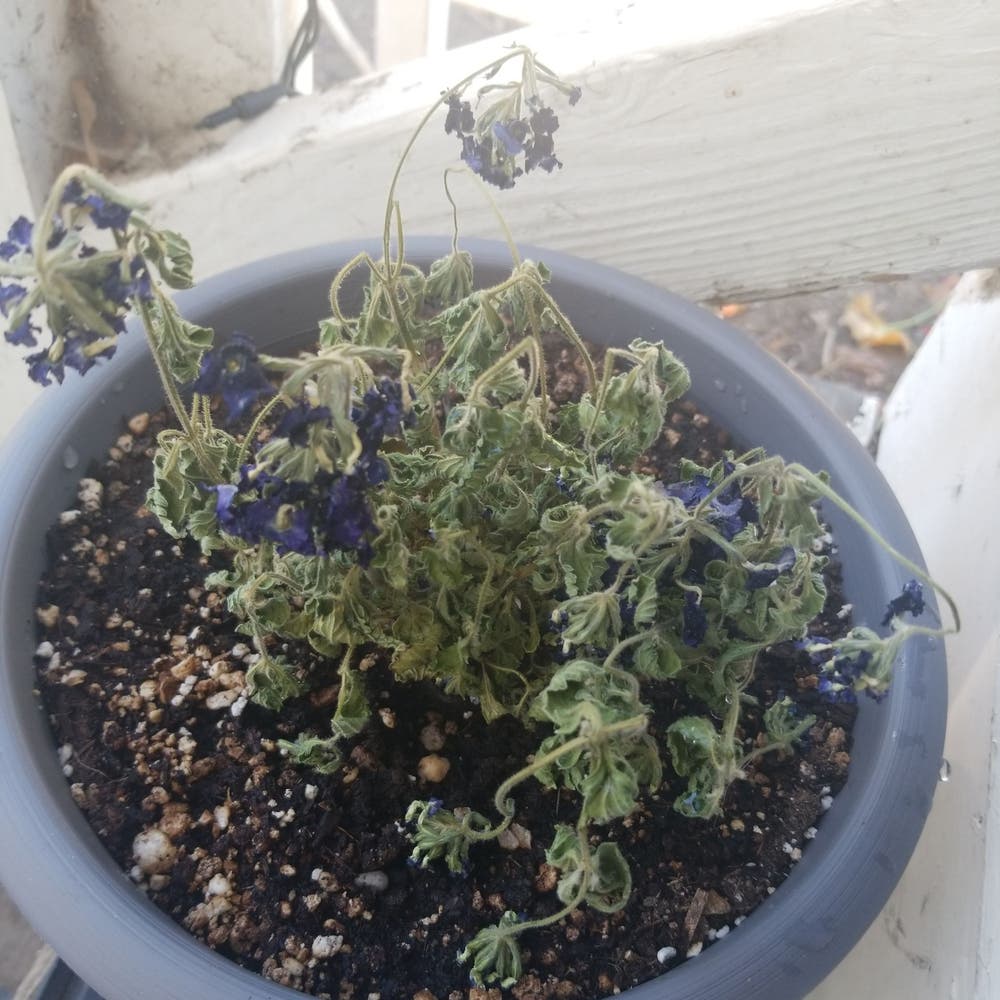
🌸 What to Do About Droopy Leaves on Your Purple Rain Flower
Verbena 'Purple Rain'
By the Greg Editorial Team
Oct 17, 2024•6 min read
This article was created with the help of AI so we can cover more plants for you. May contain errors. See one? Report it here.
- 🌧️ Droopy leaves? Check for overwatering, underwatering, pests, or nutrient deficiencies.
- 🌡️ Ideal conditions: Keep temperature 20°C-30°C and humidity above 50% for healthy growth.
- 🐛 Regular inspections for pests and diseases are essential to prevent droopiness.
Causes of Droopy Leaves
💧 Overwatering: Signs and Solutions
Overwatering is a common issue that can lead to droopy leaves on your Purple Rain Flower. Symptoms include yellowing leaves and mushy stems, indicating that the roots are struggling.
If you notice dark, slimy roots upon inspection, root rot may be present. To remedy this, allow the soil to dry out before rewatering. If root rot is confirmed, repot the plant in well-draining soil and ensure your pot has drainage holes to prevent future water accumulation.
🚰 Underwatering: Identifying Symptoms
Underwatering can also cause droopy leaves, often presenting as wilting leaves that feel dry to the touch. You might also see leaf curling and browning at the edges.
To address this, water your plant thoroughly until excess drains out. Establish a consistent watering schedule based on soil moisture levels, and consider using the Greg plant care app for AI-powered reminders to keep your watering routine on track.
🌡️ Environmental Stress: Temperature and Humidity Effects
Environmental stress can significantly impact your Purple Rain Flower. The ideal temperature range is between 20°C to 30°C (68°F to 86°F), with humidity levels needing to be at 50% or higher.
Sudden temperature changes can lead to droopy leaves, while low humidity may cause leaf drop. To combat this, use a humidifier or a pebble tray to increase humidity, and avoid placing your plant near drafts or heat sources.
🐛 Pest Infestation: Common Pests and Their Impact
Pests can wreak havoc on your Purple Rain Flower, leading to droopy leaves. Common culprits include aphids, which leave sticky residue and cause curled leaves, and spider mites, identifiable by fine webbing and stippled leaves.
These pests weaken your plant, making it more susceptible to drooping. Regularly inspect your plants for signs of pests, and treat infestations with insecticidal soap or neem oil to restore health.
🌱 Nutrient Deficiency: How Fertilizer Affects Leaf Health
Nutrient deficiencies can also contribute to droopy leaves. Signs include pale leaves and stunted growth, with specific deficiencies like nitrogen causing yellowing and potassium leading to browning.
To address nutrient issues, use a balanced fertilizer during the growing season. Be sure to follow recommended application rates to avoid over-fertilization, which can further stress your plant.
Understanding these causes is crucial for maintaining the health of your Purple Rain Flower. By identifying the underlying issues, you can take effective steps to revive your plant and prevent future droopiness.
Diagnosing the Problem
Assessing Soil Moisture Levels 🌊
To determine if your Purple Rain Flower is suffering from moisture issues, start with a simple finger test. Insert your finger about an inch into the soil; if it feels dry, it's time to water.
For more precise readings, consider using a soil moisture meter. This handy tool can help you gauge moisture levels accurately, ensuring your plant stays in the ideal range—slightly moist but not soggy.
Checking for Pests and Diseases 🐛
Next, conduct a visual inspection of your plant. Look closely at the leaves and stems for any signs of pests, such as sticky residue or webbing.
Discoloration or lesions can indicate disease, often linked to fungal infections that lead to droopy leaves. Catching these issues early can make all the difference in your plant's recovery.
Evaluating Environmental Conditions 🌡️
Environmental factors play a crucial role in your plant's health. Use a thermometer and hygrometer to monitor temperature and humidity levels.
Aim for a temperature range of 20-30°C (68-86°F) and humidity levels of 50% or higher. These conditions create a comfortable environment for your Purple Rain Flower to thrive.
Identifying Signs of Stress 😟
Finally, keep an eye out for signs of stress in your plant. Look for leaf droop, discoloration, or abnormal growth patterns that may signal underlying issues.
Sudden changes in your plant's behavior, especially after environmental shifts, can indicate that something isn't quite right. Addressing these signs promptly can help restore your plant's vitality.
By thoroughly diagnosing these aspects, you can effectively pinpoint the cause of droopy leaves and take appropriate action. Next, let’s explore treatment and recovery strategies to revive your Purple Rain Flower.
Treatment and Recovery
Step-by-Step Guide to Reviving Droopy Leaves 🌱
Reviving your Purple Rain Flower starts with identifying the cause of droop. Whether it’s overwatering, underwatering, or pests, pinpointing the issue is crucial.
Once you know the cause, adjust your watering practices accordingly. Next, improve humidity and temperature to create a more favorable environment for recovery.
If pests or diseases are present, treat them promptly. Finally, fertilize appropriately to give your plant the boost it needs to thrive again.
Adjusting Watering Practices 💧
Establishing a consistent watering schedule is essential for your plant's health. Water when the top inch of soil feels dry to the touch.
Consider using the Greg plant care app for timely reminders. This can help you avoid both overwatering and underwatering.
Improving Humidity and Temperature 🌡️
Humidity plays a significant role in plant health. To increase humidity, use a humidifier or place a tray of water near your plant.
Maintaining an optimal temperature is equally important. Keep your Purple Rain Flower away from drafts and heat sources to prevent stress.
Fertilization Techniques for Recovery 🌿
Using a balanced fertilizer can greatly aid in recovery. Apply it every 4-6 weeks during the growing season to ensure your plant gets the nutrients it needs.
Always follow the package instructions for dosage. This will help you avoid over-fertilization, which can lead to further issues.
Pest Control Methods 🐞
If pests are a concern, consider organic control options. Neem oil or insecticidal soap can effectively treat infestations without harming your plant.
You might also introduce beneficial insects like ladybugs, which can help keep pest populations in check. Regular monitoring will ensure your plant remains healthy and vibrant.
By following these treatment and recovery strategies, you can help your Purple Rain Flower bounce back from droopy leaves. Next, let’s explore some prevention strategies to keep your plant thriving long-term.
Prevention Strategies
Best Practices for Watering 🌊
Regularly checking soil moisture is key to keeping your Purple Rain Flower healthy. Make it a habit to avoid letting the plant sit in water, as this can lead to root rot.
Ideal Soil Conditions and Drainage 🪴
Using a well-draining potting mix is essential for your plant's health. Proper drainage prevents root rot and promotes robust growth, ensuring your plant thrives.
Seasonal Care Tips to Prevent Leaf Droop 🍂
Adjust your care routine based on the seasons. In winter, increase humidity levels, and during warmer months, keep an eye out for pests that may emerge.
Regular Monitoring for Pests and Diseases 🔍
Routine inspections are crucial for early detection of pests and diseases. Check leaves and stems weekly to catch any issues before they escalate, making management much easier.
By implementing these prevention strategies, you can maintain the health of your Purple Rain Flower and enjoy its vibrant beauty year-round. Next, we’ll explore how to diagnose specific problems affecting your plant.
⚠️ Safety First
This content is for general information and may contain errors, omissions, or outdated details. It is not medical, veterinary advice, or an endorsement of therapeutic claims.
Always consult a qualified healthcare professional before using any plant as food, medicine, or supplement.
Never eat any plant (or feed one to pets) without confirming its identity with at least two trusted sources.
If you suspect poisoning, call Poison Control (800) 222-1222, the Pet Poison Helpline (800) 213-6680, or your local emergency service immediately.
Spotted an error? Please report it here.
Bring your droopy Purple Rain Flower back to life with Greg's tailored care tips 🌿 that ensure perfect watering schedules and pest control for vibrant growth!