🌸 Ultimate Guide to Humidity for Purple Rain Flower
Verbena 'Purple Rain'
By the Greg Editorial Team
Oct 18, 2024•5 min read
This article was created with the help of AI so we can cover more plants for you. May contain errors. See one? Report it here.
- 🌧️ Ideal humidity for Purple Rain Flowers is 60%-80% for optimal growth.
- 📏 Use a hygrometer to monitor humidity and maintain plant health effectively.
- 🌬️ Balance humidity levels to prevent leaf curling, mold, and pests.
Ideal Humidity Levels
Optimal Range 🌧️
For the Purple Rain Flower, the ideal relative humidity range is between 60% andPurple Rain Flowers crucial for thriving growth, ensuring your plant is vibrant and healthy.
Humidity plays a significant role in enhancing color vibrancy and leaf health. When humidity levels are just right, you’ll notice your plant flourishing, showcasing its stunning hues.
Monitoring Humidity Levels 📏
Consistent moisture levels are essential for optimal health. Regularly monitoring humidity ensures your Purple Rain Flower receives the care it needs to thrive.
Investing in a hygrometer can help you keep track of humidity levels. This simple tool can make a world of difference in maintaining the right environment for your plant.
With the right humidity, your Purple Rain Flower will not only grow but also bloom beautifully. This attention to detail can elevate your gardening experience and lead to stunning results.
As we explore the effects of low and high humidity, you'll see how crucial it is to maintain that optimal range.
Effects of Low and High Humidity
🌵 Low Humidity Symptoms
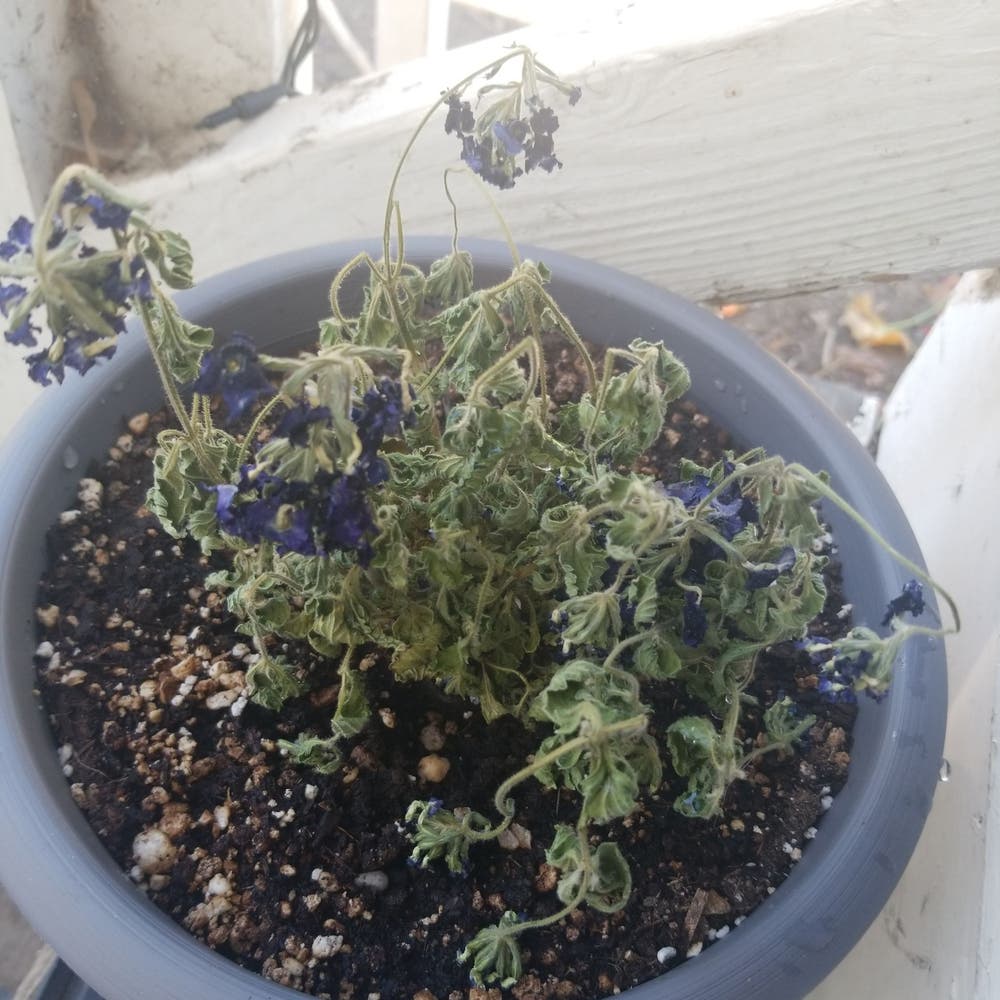
Low humidity can wreak havoc on your Purple Rain Flower. Symptoms include leaf curling, browning tips, and stunted growth, all signs that your plant is struggling.
Long-term exposure to low humidity increases susceptibility to pests and diseases. This stress can manifest in unique leaf structures, affecting the overall vitality of your plant.
🌧️ High Humidity Symptoms
On the flip side, excessive humidity can lead to serious issues. Look out for mold growth, leaf rot, and fungal infections, which can quickly compromise your plant's health.
Proper airflow is crucial to prevent stagnant air. Balancing humidity levels is essential; recognizing when humidity is too high can save your plant from distress and ensure it tPurple Rain Flowersumidity Considerations
🌧️ Assessing Local Levels
Understanding local humidity is crucial for the health of your Purple Rain Flower. You can measure humidity using hygrometers or even handy weather apps, which provide real-time data.
Knowing your local climate helps you anticipate how it affects indoor humidity levels. This awareness allows you to make informed adjustments to your plant care routine.
🌦️ Seasonal Variations
Humidity levels fluctuate throughout the year, impacting your plant's well-being. For instance, winter heating can dry out the air, while summer often brings increased moisture.
Adjusting your care routine based on these seasonal changes is essential. During dry months, increase your monitoring to ensure your Purple Rain Flower thrives despite the shifting conditions.
With these insights, you're better equipped to create an ideal environment for your plant. Next, let’s explore effective strategies for boosting humidity.
Strategies for Boosting Humidity
🌬️ Humidifiers and Pebble Trays
When it comes to maintaining humidity for your Purple Rain Flower, humidifiers are a game-changer. You can choose between cool mist and warm mist options, each offering unique benefits for plant health.
Best Practices for Using Humidifiers
To get the most out of your humidifier, consider its placement. Position it near your plants but avoid direct contact to prevent waterlogging. Regular maintePurple Rain Flowerclean the unit weekly to prevent mold buildup.
Creating Pebble Trays
Pebble trays are a simple yet effective way to boost humidity. Fill a shallow tray with pebbles and add water until it just covers the stones. Place your plant pot on top, ensuring the base doesn’t sit in water, and watch the moisture rise around your plant.
🌱 Grouping and Misting
Benefits of Plant Clustering
Grouping your Purple Rain Flowers can create a microenvironment with higher humidity. This natural method not only enhances moisture levels but also fosters a sense of community among your plants.
Effective Misting Practices
Misting is another easy way to increase humidity. Aim to mist your plants in the morning, allowing them to absorb moisture before the heat of the day. A frequency of two to three times a week usually works well, but adjust based on your local climate.
By implementing these strategies, you can create a thriving environment for your Purple Rain Flower. Next, let’s explore how to reduce humidity when it becomes excessive.
Strategies for Reducing Humidity
🌬️ Ventilation and Dehumidifiers
Airflow is crucial for maintaining a healthy environment for your Purple Rain Flower. Enhancing ventilation in indoor spaces can significantly reduce humidity levels, preventing issues like mold and rot.
To improve airflow, consider opening windows or using fans to circulate air. This simple step can make a big difference in keeping your plants happy and thriving.
When it comes to dehumidifiers, you have options. Portable units are great for targeted areas, while whole-home dehumidifiers can manage humidity levels throughout your space.
Choose a dehumidifier based on your needs. If you have multiple plants, a whole-home unit might be the best investment.
Strategic plant placement also plays a role in humidity control. Position your Purple Rain Flower in areas with lower humidity, such as near vents or in well-ventilated rooms.
By combining these strategies, you can create an optimal environment for your plants. This proactive approach not only enhances their health but also boosts your gardening confidence.
As you work on reducing humidity, keep in mind the balance needed for your plants. Too little humidity can be just as harmful as too much, so stay vigilant!
⚠️ Safety First
This content is for general information and may contain errors, omissions, or outdated details. It is not medical, veterinary advice, or an endorsement of therapeutic claims.
Always consult a qualified healthcare professional before using any plant as food, medicine, or supplement.
Never eat any plant (or feed one to pets) without confirming its identity with at least two trusted sources.
If you suspect poisoning, call Poison Control (800) 222-1222, the Pet Poison Helpline (800) 213-6680, or your local emergency service immediately.
Spotted an error? Please report it here.
Keep your Purple Rain Flower thriving 🌿 by using Greg's tailored humidity alerts and care tips to maintain that perfect 60% to 80% range!