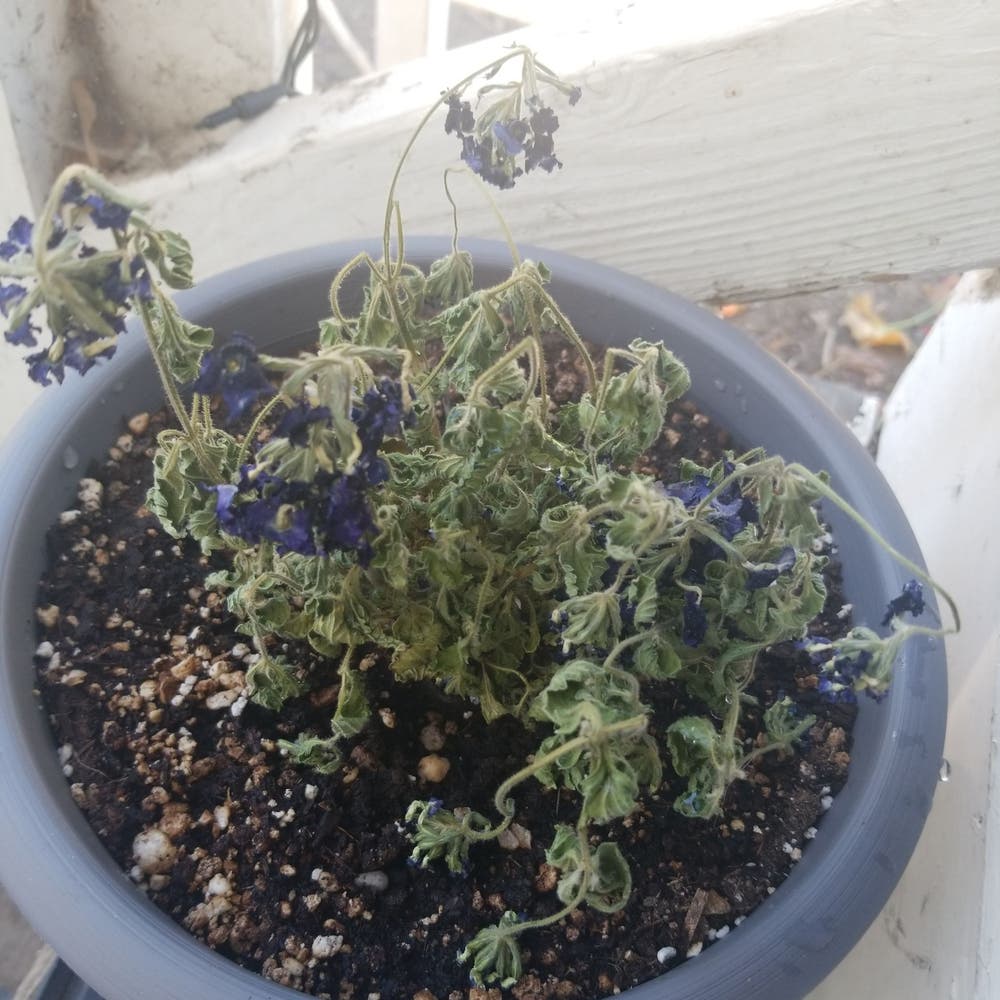
✂️ When and Where to Cut Back Your Purple Rain Flower
Verbena 'Purple Rain'
By the Greg Editorial Team
Oct 17, 2024•3 min read
This article was created with the help of AI so we can cover more plants for you. May contain errors. See one? Report it here.
- ✂️ Prune Purple Rain Flowers late winter to early spring for optimal growth.
- 🌱 Assess plant health before cutting to remove dead or overcrowded stems.
- 🏵️ Deadheading encourages blooms; cut above healthy leaves for best results.
Pruning Techniques for Purple Rain Flower
🛠️ Tools Needed
To get started with pruning your Purple Rain Flower, gather the right tools. You'll need sharp and clean pruning shears for precise cuts, loppers for thicker branches, and gloves to protect your hands from thorns or irritants.
Don't forget a disinfectant to clean your tools before and after use. This helps prevent the spread of diseases among your plants.
📋 Step-by-Step Pruning Process
- Assess the plant: Begin by looking for dead, damaged, or overcrowded stems.
- Identify the growth habit: Understanding the bushy nature of the plant will guide your cuts.
- Make cuts:
- Cut back to a healthy bud or lateral branch.
- Remove any dead or diseased wood at the base.
- Shape the plant: Trim to maintain a balanced appearance, ensuring it looks neat.
- Clean up: Collect and dispose of cuttings to prevent pests from taking up residence.
⏰ Timing and Care for Pruning
🌱 Best Seasons for Pruning
The ideal times to prune are late winter to early spring, just before new growth begins, and after flowering. This encourages fresh blooms for the next season.
🔍 Signs That Pruning is Needed
Look for signs like overcrowded growth, where stems cross each other, or dead and damaged branches that appear brown or brittle. Reduced flowering, with fewer blooms than previous seasons, is another indicator.
📅 Timing Based on Flowering Cycle
Prune after the last frost to avoid damaging new growth. Keep an eye on the blooming period; pruning immediately after flowering prepares the plant for the next season.
🌼 Deadheading Instructions
- Identify spent flowers: Look for wilted or brown blooms that need removal.
- Use clean pruning shears: This prevents introducing disease into your garden.
- Cut just above the first set of healthy leaves: This encourages new growth.
- Dispose of dead flowers: Proper disposal helps prevent pests and diseases.
❌ Common Pruning Mistakes
⚠️ Mistakes to Avoid When Pruning
Be cautious of over-pruning, as removing too much foliage can stress the plant. Pruning at the wrong time, especially during active growth, can also cause damage.
🔄 How to Correct Pruning Errors
If you’ve over-pruned, allow the plant to recover without further cutting until it regrows. Monitor for signs of stress, such as yellowing leaves or stunted growth, to catch issues early.
With these techniques, your Purple Rain Flower will thrive, showcasing its vibrant beauty season after season. Next, let’s explore how to recognize the right timing for pruning to maximize your plant's health and blooms.
⚠️ Safety First
This content is for general information and may contain errors, omissions, or outdated details. It is not medical, veterinary advice, or an endorsement of therapeutic claims.
Always consult a qualified healthcare professional before using any plant as food, medicine, or supplement.
Never eat any plant (or feed one to pets) without confirming its identity with at least two trusted sources.
If you suspect poisoning, call Poison Control (800) 222-1222, the Pet Poison Helpline (800) 213-6680, or your local emergency service immediately.
Spotted an error? Please report it here.
Transform your Purple Rain Flower into a stunning showstopper 🌸 with Greg's tailored pruning reminders and expert tips that ensure you cut at the perfect time!