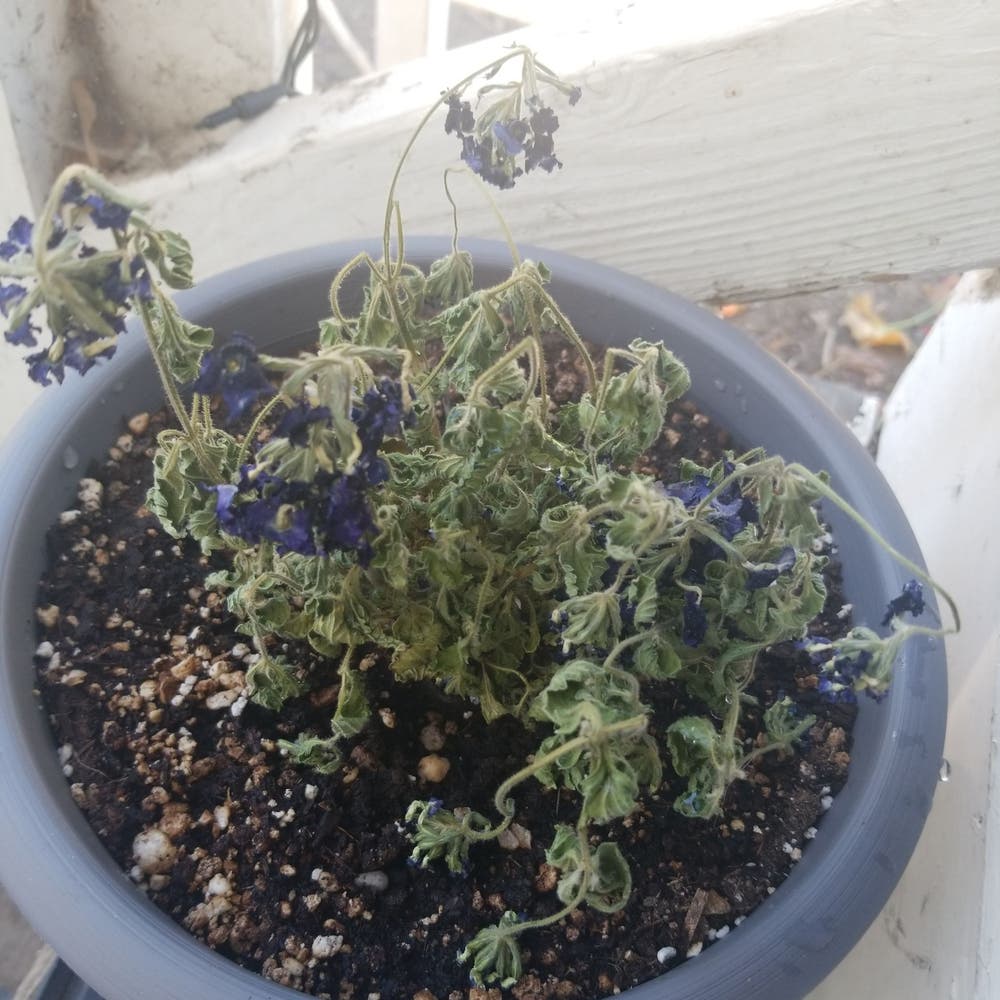
☁️ Purple Rain Flower SOS: Rescue Your Plant from Root Rot
Verbena 'Purple Rain'
By the Greg Editorial Team
Oct 17, 2024•5 min read
This article was created with the help of AI so we can cover more plants for you. May contain errors. See one? Report it here.
- 🌱 Early diagnosis of root rot is vital for saving your Purple Rain flower.
- 🧐 Signs of root rot include leaf discoloration, drop, and stunted growth.
- 🧼 Treat root rot by cleaning, trimming, and using fungicides or natural alternatives.
Diagnosing Root Rot
Signs to Look for 🌿
Identifying root rot early can save your Purple Rain flower. Watch for leaf discoloration, where edges turn yellow or brown, signaling distress.
Another red flag is leaf drop. If your plant is shedding leaves prematurely, it’s time to investigate further. Lastly, stunted growth indicates a lack of new growth or flowering, often linked to root issues.
How to Check for Root Rot 🔍
To confirm root rot, follow these steps:
- Remove the plant from its pot: Gently loosen the soil around the roots to avoid damage.
- Inspect the root system: Look for dark, mushy roots that indicate decay.
- Assess soil moisture: Check if the soil feels overly wet or compacted, which can contribute to rot.
Visual Indicators of Healthy vs. Rotting Roots 🥴
Understanding root health is crucial. Healthy roots are firm, white or light tan, and emit a fresh smell.
In contrast, rotting roots appear dark brown or black, have a soft texture, and often carry an unpleasant odor. Recognizing these differences can help you act quickly to save your plant.
By diagnosing root rot effectively, you set the stage for successful treatment. Next, we’ll explore how to treat this common issue and restore your plant to health.
Treating Root Rot
🛠️ Step-by-Step Treatment Process
Treating root rot requires careful attention and a few essential steps. Start by removing the plant from its pot; handle it gently to avoid causing further damage.
Next, clean the roots by rinsing them under lukewarm water. This helps remove any soil that may be clinging to the roots.
After cleaning, trim away the affected roots using sterilized scissors. Focus on cutting away any sections that appear dark or mushy.
Finally, disinfect the remaining roots by soaking them in a fungicide solution for 10-15 minutes. This step is crucial for preventing future infections.
✂️ How to Remove Affected Roots
Identifying the rotting areas is key to effective treatment. Look for roots that are soft and discolored, as these are the ones that need to go.
Once identified, cut back to healthy tissue. Ensure that all decayed parts are removed to give your plant the best chance of recovery.
💊 Recommended Fungicides or Treatments
When it comes to fungicides, systemic options like thiophanate-methyl or propiconazole are effective choices. These can help eliminate any lingering fungal issues.
For a more natural approach, consider using cinnamon powder as an antifungal agent. It’s a simple yet effective remedy.
After repotting, apply the fungicide by drenching the soil. This method ensures that the treatment reaches the roots effectively.
With these steps, you can tackle root rot head-on and give your Purple Rain flower a fighting chance. Next, let’s explore how to prevent root rot from occurring in the first place.
Preventing Root Rot
🌊 Best Practices for Watering
Watering your plant correctly is crucial for preventing root rot. Start by allowing the top inch of soil to dry out before you water again.
When you do water, make sure to do it thoroughly until you see water draining from the bottom of the pot. This ensures that the roots get the moisture they need without becoming waterlogged.
Seasonal adjustments are also important. During the winter months, reduce your watering frequency to match the plant's lower growth rate.
🕳️ Importance of Soil Drainage
Good drainage is essential for healthy roots. Always choose pots with drainage holes to allow excess water to escape.
Elevating your pots can also make a difference. Using pot feet improves airflow beneath the pot, helping to keep the roots dry and healthy.
🌱 Choosing the Right Potting Mix
Selecting the right potting mix is key to preventing root rot. A well-draining mix, ideally a blend of peat, perlite, and orchid bark, works wonders.
Avoid heavy soils like garden soil or compacted mixes, as they can retain too much moisture. Opting for the right mix sets your plant up for success.
By following these preventive measures, you can significantly reduce the risk of root rot and keep your Purple Rain flower thriving. Next, let’s explore how to care for your plant after treatment.
Post-Treatment Care
🌱 How to Care for a Recovering Plant
After treating root rot, adjusting your watering schedule is crucial. Keep a close eye on soil moisture to avoid overwatering, which can lead to further issues.
Providing indirect sunlight is also essential. Direct sun can stress your recovering plant, so opt for a bright spot that doesn’t expose it to harsh rays.
👀 Monitoring for Signs of Recovery
Look for new growth as a positive indicator of recovery. Fresh leaves or flower buds signal that your plant is bouncing back.
Improved leaf color is another encouraging sign. Watch for vibrant greens returning to the foliage, indicating that your plant is regaining its health.
🔄 Adjusting Care Routine to Prevent Recurrence
Regular soil checks are vital for maintaining proper moisture levels. This proactive approach helps you catch any potential issues before they escalate.
Consider periodic repotting every 1-2 years. Refreshing the soil not only maintains drainage but also provides your plant with fresh nutrients to thrive.
By following these post-treatment care tips, you can help your plant recover fully and prevent future root rot. Now, let’s explore how to ensure your plant stays healthy long-term.
⚠️ Safety First
This content is for general information and may contain errors, omissions, or outdated details. It is not medical, veterinary advice, or an endorsement of therapeutic claims.
Always consult a qualified healthcare professional before using any plant as food, medicine, or supplement.
Never eat any plant (or feed one to pets) without confirming its identity with at least two trusted sources.
If you suspect poisoning, call Poison Control (800) 222-1222, the Pet Poison Helpline (800) 213-6680, or your local emergency service immediately.
Spotted an error? Please report it here.
Revive your Purple Rain flower from root rot with early detection and Greg's tailored care tips, ensuring your plant flourishes and stays healthy for the long haul! 🌿