🌸 3 Factors Affecting Purple Rain Flower Flowering
Verbena 'Purple Rain'
By the Greg Editorial Team
Oct 17, 2024•4 min read
This article was created with the help of AI so we can cover more plants for you. May contain errors. See one? Report it here.
- 🌞 Purple Rain flowers need 6-8 hours of bright, indirect sunlight for optimal blooms.
- 🌱 Nutrient balance with phosphorus, potassium, and nitrogen is crucial for vibrant flowering.
- ✂️ Prune after flowering and pinch stems for bushier growth and more blooms.
Light Requirements
Importance of Adequate Sunlight for Blooming 🌞
To ensure your Purple Rain flowers thrive, they need 6-8 hours of bright, indirect sunlight each day. This exposure is crucial for photosynthesis, which fuels energy production and ultimately supports vibrant blooms.
Effects of Too Much or Too Little Light 🌗
Insufficient light can lead to stunted growth, fewer blooms, and elongated stems as the plant stretches toward the light. Conversely, too much light may cause leaf scorch, faded flower colors, and a decline in bloom quality.
Adjustments for Light Conditions 🌤️
If your plant isn't thriving, consider moving it to a more suitable location or using shade cloth to filter excessive sunlight. Regularly assessing light conditions can make a significant difference in your plant's health and flowering potential.
With the right light exposure, your Purple Rain flowers will flourish, setting the stage for their nutritional needs next.
Nutritional Needs
Key Nutrients for Flowering 🌸
Phosphorus is a superstar when it comes to flower development and root health. It plays a crucial role in energy transfer and photosynthesis, making it essential for vibrant blooms.
Alongside phosphorus, potassium and nitrogen are also vital. A balanced intake of these nutrients ensures your Purple Rain flowers grow strong and healthy, leading to a more abundant flowering season.
Signs of Nutrient Deficiencies Affecting Blooms ⚠️
Keep an eye out for yellowing leaves; this often signals a nitrogen deficiency. If your flowers aren't forming well, it could be due to insufficient phosphorus.
Regular soil testing is your best friend here. Tailoring your fertilization schedule based on these tests can help you address any deficiencies before they impact your blooms.
By understanding these nutritional needs, you can create an environment where your Purple Rain flowers thrive, ensuring a stunning display of color and life.
Next, let’s explore the best pruning techniques to encourage even more flowering.
Pruning Techniques
Best Practices for Pruning to Encourage Flowering 🌸
Pruning is essential for promoting healthy blooms in Purple Rain flowers. The best time to prune is after the flowering season, ensuring you don’t disrupt the bloom cycle.
Pinching back stems can encourage bushier growth and lead to more vibrant blooms. This technique helps the plant focus its energy on producing flowers rather than just growing taller.
Timing of Pruning and Its Impact on Bloom Cycle ⏰
Timing is crucial when it comes to pruning. Pruning in early spring can stimulate new growth, while late summer pruning might interfere with the plant's natural blooming schedule.
Improper pruning can lead to delayed blooming or even a reduction in flower quantity. Always consider the seasonal conditions to maximize your plant's flowering potential.
Common Flowering Problems
🌸 Failure to Bloom
Potential Causes
Lack of adequate sunlight can severely hinder flowering. If your Purple Rain flower isn't getting enough light, it may struggle to produce blooms.
Nutritional deficiencies, particularly insufficient phosphorus, can also impact flower production. Additionally, older plants may naturally have a reduced capacity for flowering.
Solutions and Adjustments to Encourage Blooming
- Assess light conditions and adjust placement to ensure optimal exposure.
- Implement a balanced fertilization plan that focuses on phosphorus.
- Consider repotting or rejuvenating older plants to stimulate new growth.
🌼 Premature Flower Drop
Factors Leading to Bud Drop
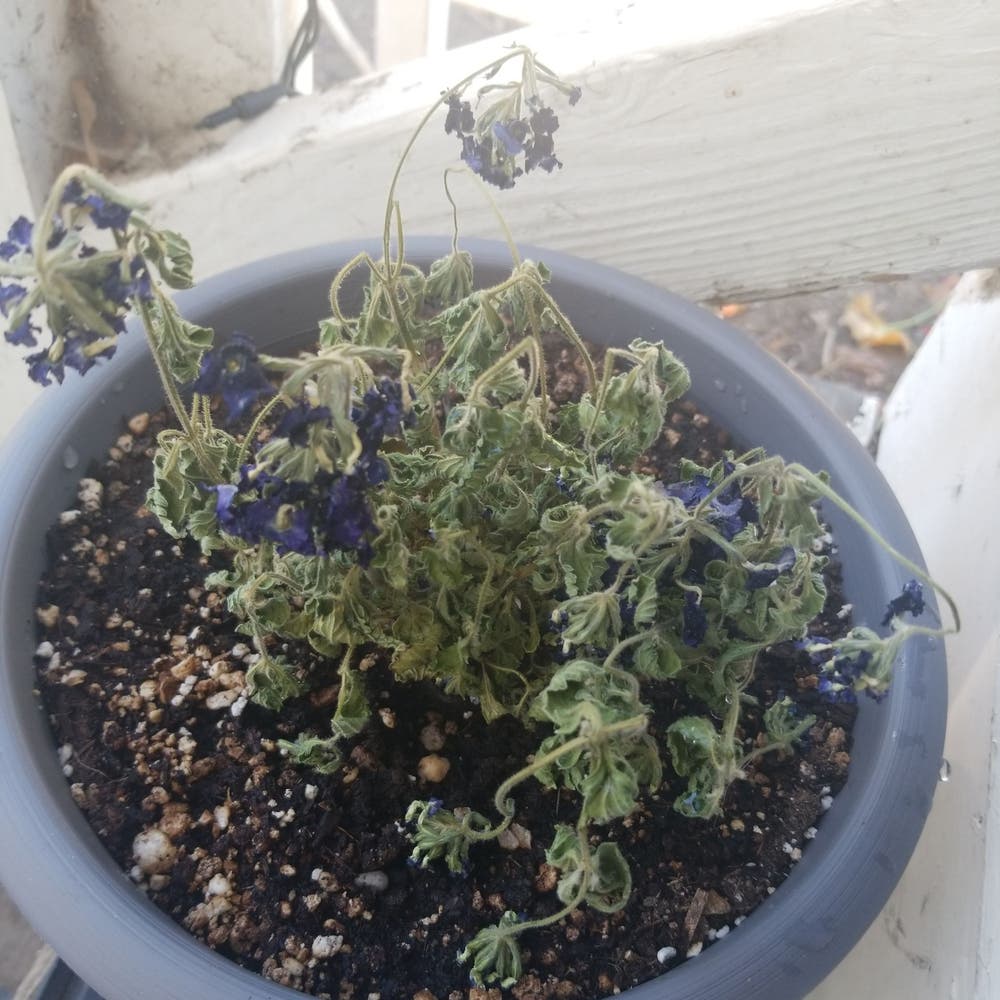
Environmental stress, such as fluctuations in temperature and humidity, can cause buds to drop prematurely. Pest infestations can weaken plants, leading to similar issues.
Remedies to Prevent Flower Drop
- Maintain consistent humidity levels between 50-70%.
- Monitor for pests and apply organic treatments as needed.
- Ensure proper watering practices to minimize stress on the plant.
🌺 Abnormal Flower Development
Identifying Abnormal Growth Patterns
Look for signs of abnormal development, such as misshapen flowers, reduced size, or unexpected color changes. These issues often stem from nutrient imbalances, pest damage, or environmental stress.
Causes and Corrective Measures
- Evaluate and adjust nutrient levels based on soil tests to ensure balance.
- Inspect for pests and treat accordingly to protect your plants.
- Modify environmental conditions to reduce stress, such as controlling temperature.
Understanding these common flowering problems can empower you to take action and nurture your Purple Rain flower back to health. With the right adjustments, you can enjoy vibrant blooms and a flourishing plant.
⚠️ Safety First
This content is for general information and may contain errors, omissions, or outdated details. It is not medical, veterinary advice, or an endorsement of therapeutic claims.
Always consult a qualified healthcare professional before using any plant as food, medicine, or supplement.
Never eat any plant (or feed one to pets) without confirming its identity with at least two trusted sources.
If you suspect poisoning, call Poison Control (800) 222-1222, the Pet Poison Helpline (800) 213-6680, or your local emergency service immediately.
Spotted an error? Please report it here.
Unlock vibrant blooms for your Purple Rain flowers 🌸 with Greg's tailored care tips and reminders that ensure optimal light and nutrients for stunning growth!