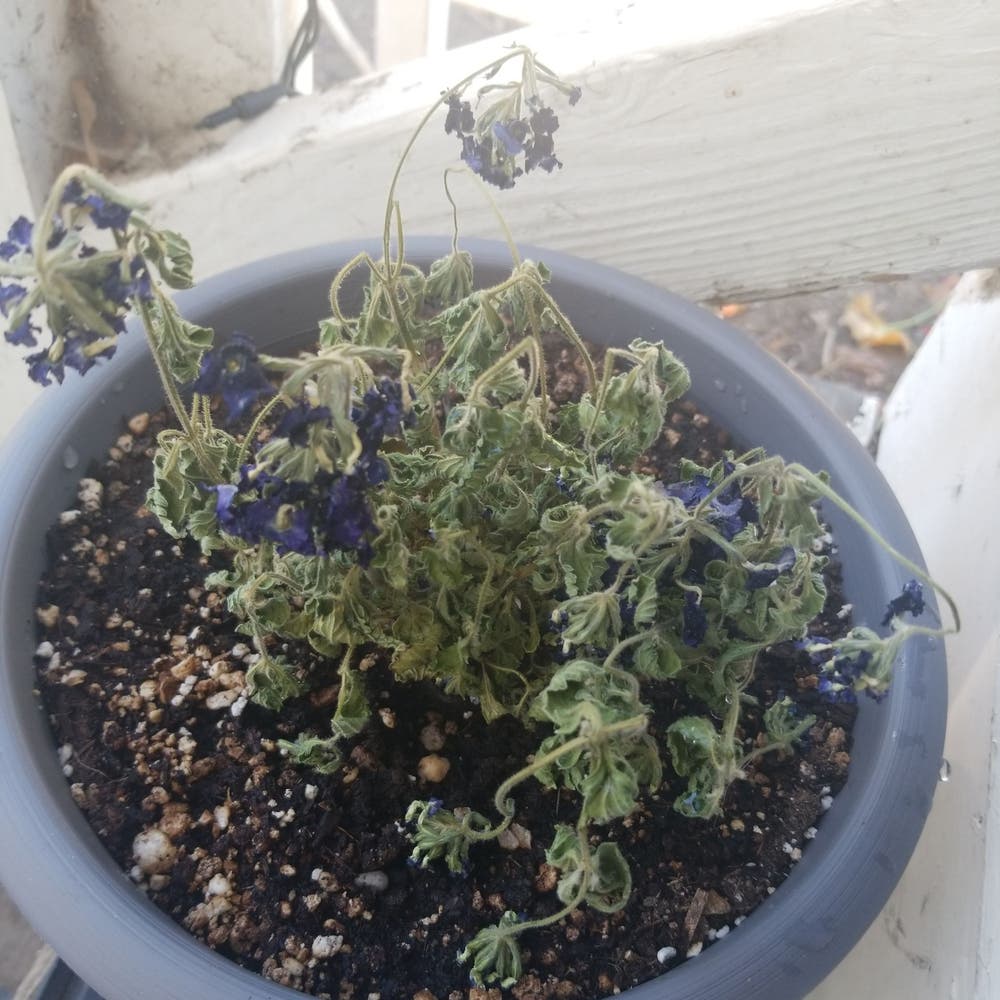
🌸 What to Do About Yellow Leaves on Your Purple Rain Flower
Verbena 'Purple Rain'
By the Greg Editorial Team
Oct 17, 2024•5 min read
This article was created with the help of AI so we can cover more plants for you. May contain errors. See one? Report it here.
- 🌱 Yellow leaves indicate overwatering or nutrient deficiency; adjust care accordingly.
- 🔍 Observe leaf patterns to diagnose issues effectively and take action.
- 💧 Check soil moisture regularly; water only when the top 2 inches are dry.
Diagnosing Yellow Leaves
Visual Signs to Look For 🌈
When your Purple Rain flower starts showing yellow leaves, it’s crucial to observe the color changes closely. Look for specific yellowing patterns—are the leaves turning yellow uniformly, or just at the edges?
Texture is another telltale sign. Are the leaves wilting, crispy, or unusually soft? These visual cues can help you pinpoint the issue.
Differentiating Between Causes 🔍
Next, you'll want to differentiate between overwatering and nutrient deficiency. Check the soil moisture levels; overly wet soil often leads to yellow leaves, while dry soil can indicate a lack of nutrients.
Also, consider the age and position of the leaves. Older leaves typically show signs of distress first, as they are the last to receive nutrients from the plant.
Importance of Leaf Position and Age 📏
Understanding leaf position and age is essential for diagnosing yellowing. Older leaves usually yellow first due to the plant reallocating nutrients to new growth.
Healthy new leaves are a good sign—they indicate that your plant is thriving overall. If the new growth looks vibrant, you may just need to address the older leaves' issues.
Treatment for Yellow Leaves
🌊 Adjusting Watering Practices
To combat yellow leaves, start by checking the soil moisture before watering. This simple step ensures you’re not overwatering, which is a common culprit.
Water thoroughly, allowing excess to drain out. This helps prevent root rot while ensuring your plant gets the hydration it needs.
Adjust your watering frequency based on the season and humidity levels. In summer, your Purple Rain Flower may need more water, while winter calls for less.
🌱 Fertilization Tips for Nutrient Deficiencies
If nutrient deficiency is suspected, choose a balanced fertilizer. Look for one that provides essential nutrients to support healthy growth.
Apply this fertilizer during the growing season every 4-6 weeks. Regular feeding can rejuvenate your plant and help it recover from yellowing leaves.
🕳️ Improving Soil Drainage
Soil drainage is crucial for plant health. If you notice persistent yellow leaves, consider repotting your Purple Rain Flower with a better soil mix.
Adding drainage holes can also be beneficial if your pot lacks them. This ensures excess water can escape, preventing soggy roots.
🐛 Pest Management Strategies
Pests can wreak havoc on your plant, leading to yellow leaves. Start by identifying any pests present and apply appropriate treatments.
Regularly monitor your plant for signs of reinfestation. Staying proactive can save your plant from further damage.
🌤️ Environmental Adjustments
Sometimes, environmental factors play a role in leaf discoloration. Gradually increase light exposure to help your plant thrive.
Adjust humidity levels using trays filled with water or misting. This can create a more favorable environment for your Purple Rain Flower.
By addressing these treatment areas, you can help your plant bounce back from yellow leaves and flourish once again. Next, let’s explore how to prevent yellow leaves from becoming a recurring issue.
Preventing Yellow Leaves
💧 Best Practices for Watering
To keep your Purple Rain flower thriving, water only when the top 2 inches of soil feel dry. This prevents overwatering, which is a common cause of yellow leaves.
Using pots with drainage holes is essential. It allows excess water to escape, ensuring the roots don’t sit in soggy soil.
🥗 Regular Fertilization Schedule
Establish a consistent feeding routine during the growing season. This helps provide the necessary nutrients for healthy growth.
Opt for slow-release fertilizers to ensure a steady supply of nutrients. This approach minimizes the risk of nutrient deficiencies that can lead to yellowing leaves.
🌱 Choosing the Right Soil Mix
Select a soil mix specifically designed for tropical plants. These mixes often provide the right balance of nutrients and drainage.
Make sure your soil contains perlite or similar materials. This enhances drainage and aeration, promoting root health.
☀️ Monitoring Light Exposure
Rotate your plant regularly for even light distribution. This helps prevent one side from becoming leggy or yellowing due to insufficient light.
Adjust your plant’s placement based on seasonal light changes. Ensuring adequate light year-round is crucial for maintaining vibrant foliage.
🐞 Routine Pest Inspections
Check your plants weekly for early signs of pests. Catching infestations early can save your plant from significant damage.
Using sticky traps can be an effective preventive measure. They help monitor pest activity and keep your Purple Rain flower healthy.
By following these preventive measures, you can maintain the lush, vibrant leaves of your Purple Rain flower. Next, let’s explore how to adjust care practices with the changing seasons.
Seasonal Considerations
Adjusting Care Practices with the Seasons 🌦️
Caring for your Purple Rain flower requires seasonal adjustments. In winter, reduce watering frequency since the plant's growth slows down, while summer demands more frequent hydration to support its active growth.
Fertilization also needs to change with the seasons. Increase feeding during the growing season to provide essential nutrients, ensuring your plant thrives.
Signs of Stress During Seasonal Transitions 🌪️
As seasons shift, your Purple Rain flower may show signs of stress. Look out for leaf drop or yellowing, which can indicate that the plant is struggling with temperature changes.
Adjusting humidity and light exposure is crucial during these transitions. Ensuring your plant receives the right conditions can help it adapt and flourish throughout the year.
⚠️ Safety First
This content is for general information and may contain errors, omissions, or outdated details. It is not medical, veterinary advice, or an endorsement of therapeutic claims.
Always consult a qualified healthcare professional before using any plant as food, medicine, or supplement.
Never eat any plant (or feed one to pets) without confirming its identity with at least two trusted sources.
If you suspect poisoning, call Poison Control (800) 222-1222, the Pet Poison Helpline (800) 213-6680, or your local emergency service immediately.
Spotted an error? Please report it here.
Keep your Purple Rain flower thriving 🌿 by using Greg's tailored watering plans and care reminders to tackle yellow leaves caused by overwatering or nutrient deficiencies!