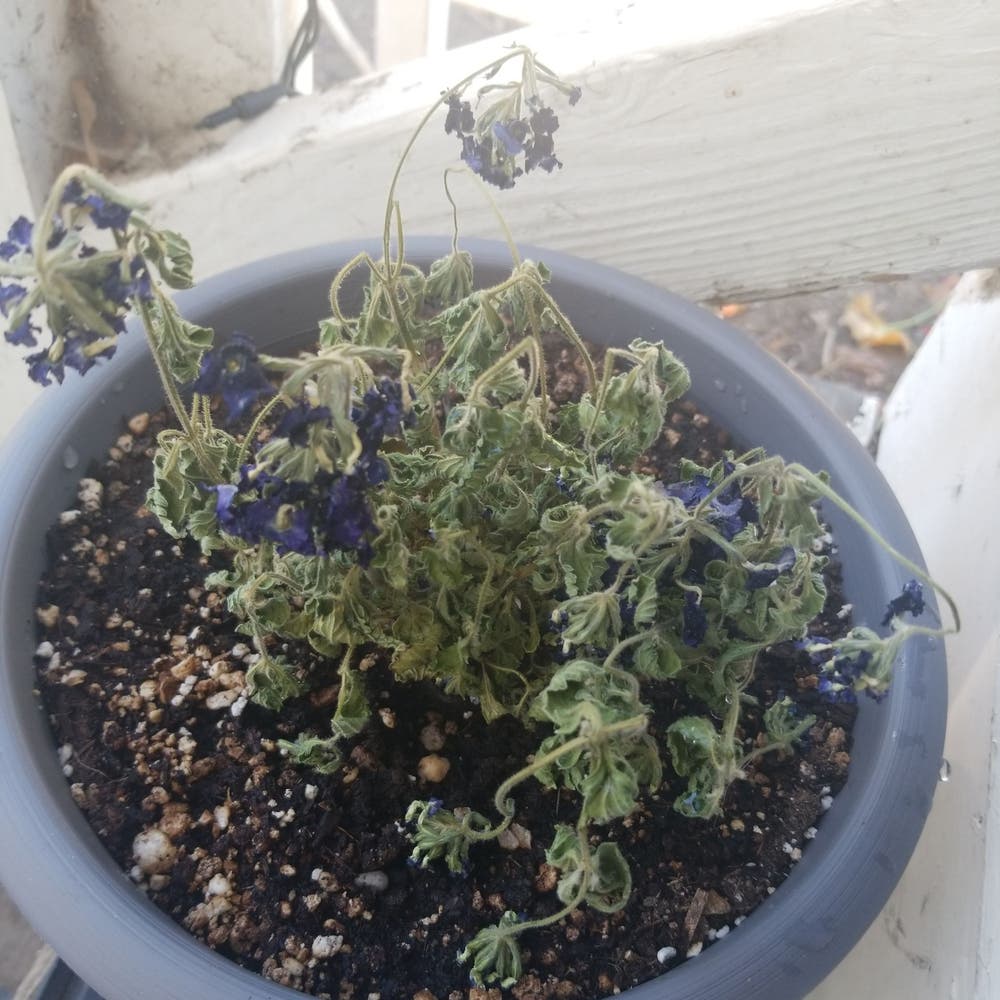
🌸 How to Cure Dropping Leaves on Your Purple Rain Flower
Verbena 'Purple Rain'
By the Greg Editorial Team
Oct 17, 2024•5 min read
This article was created with the help of AI so we can cover more plants for you. May contain errors. See one? Report it here.
- 🌱 Inspect leaves regularly to assess health and identify issues early.
- 💧 Check soil moisture with a meter; adjust watering to prevent leaf drop.
- 🐛 Monitor for pests and diseases; use organic methods for effective control.
Diagnosing the Problem
How to Assess Plant Health 🌿
To start diagnosing your Purple Rain Flower, conduct a visual inspection. Check the leaf color and texture; vibrant, healthy leaves should be rich in color and free from blemishes.
Next, observe the overall vigor of the plant. A robust plant will have strong stems and a full canopy, while drooping or yellowing leaves may signal distress.
Soil Moisture Assessment 💧
Soil moisture is crucial for plant health. Use a moisture meter or perform a finger test to gauge the soil's dampness.
Remember, well-draining soil is essential to prevent root rot. If the soil retains too much moisture, consider repotting with a better mix.
Identifying Pests and Diseases 🐛
Pests can wreak havoc on your Purple Rain Flower. Look out for aphids, which leave behind sticky residue and cause leaf curling.
Spider mites are another common foe; their webbing and stippled leaves are telltale signs of an infestation.
Fungal Infections 🍄
Fungal infections can also be problematic. Symptoms include leaf spots and mold growth, which can spread quickly if not addressed.
To prevent these issues, ensure good air circulation around your plant and avoid overhead watering. This simple step can make a significant difference.
Soil Testing for Nutrient Levels 🔬
Soil testing is vital for maintaining plant health. It helps identify nutrient imbalances that could be affecting growth.
Consider using recommended soil test kits to analyze your soil. Understanding pH levels and nutrient availability will guide you in making necessary adjustments.
By assessing plant health, identifying pests and diseases, and testing soil, you can effectively diagnose the issues affecting your Purple Rain Flower. This foundational knowledge sets the stage for effective treatment and prevention strategies.
Treatment and Prevention
Step-by-Step Guide to Adjusting Watering Practices 🌊
Assess current watering schedule: Take a moment to review how often you water your Purple Rain Flower. Consistency is key, but overwatering can lead to serious issues.
Determine soil moisture level: Use a moisture meter or your finger to check the soil. It should feel slightly damp but not soggy.
Adjust frequency based on plant needs: If the soil is too dry or too wet, modify your watering routine accordingly. Each plant has unique needs, so pay attention to its signals.
Use well-draining soil to prevent root rot: Ensure your potting mix allows excess water to escape. This is crucial for keeping roots healthy.
Fertilization Techniques for Healthy Growth 🌱
Recommended fertilizers: Look for balanced NPK ratios tailored for flowering plants. Organic options like compost and worm castings can also boost growth naturally.
Fertilization schedule: Feed your plant monthly during the growing season. As it enters dormancy, reduce the frequency to avoid over-fertilization.
Improving Humidity and Temperature Conditions 🌡️
Methods to increase humidity: Consider using a humidifier or placing pebble trays filled with water near your plant. Grouping plants together can also create a mini-humid environment.
Temperature management: Keep your Purple Rain Flower away from drafts and heat sources. Find a cozy spot that provides warmth without extremes.
Pest Control Methods Specific to Purple Rain Flower 🐞
Organic pest control options: Neem oil is a great choice for treating pests. Apply it every couple of weeks to keep infestations at bay.
Monitoring and prevention strategies: Regular inspections are vital for early detection of pests. Encourage beneficial insects like ladybugs to help manage pest populations naturally.
By implementing these treatment and prevention strategies, you can ensure your Purple Rain Flower thrives. Next, let’s explore how seasonal changes can affect leaf drop and what adjustments you can make throughout the year.
Seasonal Considerations
How Seasonal Changes Affect Leaf Drop 🌦️
Understanding how the seasons impact your Purple Rain Flower is crucial for maintaining its health. During spring and summer, these plants require increased watering and humidity to thrive.
Fertilization adjustments are also essential during these warmer months. A boost in nutrients can help support vigorous growth and vibrant blooms.
As the seasons shift to fall and winter, care routines must adapt. This includes reducing watering frequency to prevent over-saturation.
Additionally, protecting your plant from cold drafts is vital during the colder months. A stable environment helps prevent stress and leaf drop.
Adjusting Care Routines Throughout the Year 📅
Creating a seasonal checklist can streamline your care for the Purple Rain Flower.
Spring:
- Focus on repotting and fertilization to encourage new growth.
Summer:
- Increase humidity levels and monitor for pests more frequently.
Fall:
- Prepare the plant for dormancy by adjusting care routines accordingly.
Winter:
- Minimize watering and adjust light exposure to suit the plant's needs.
By following these seasonal guidelines, you can ensure your Purple Rain Flower remains healthy and vibrant throughout the year. This proactive approach not only prevents leaf drop but also enhances the overall beauty of your plant.
Next, let’s explore some common misconceptions about leaf drop in flowering plants.
Common Misconceptions
Myths About Leaf Drop in Flowering Plants 🌿
One common misconception is that leaf drop is always a sign of disease. In reality, environmental factors often play a significant role in this phenomenon.
Another myth is that all leaf drop is harmful. It's important to note that some leaf drop is natural and seasonal, especially in flowering plants like the Purple Rain Flower.
Clarifying the Role of Light in Leaf Health 💡
Light exposure is crucial for the health of your Purple Rain Flower. Ideally, these plants thrive in bright, indirect light, which promotes vibrant growth.
However, too much or too little light can lead to issues. Signs of excessive light include scorched leaves, while insufficient light may cause leggy growth and yellowing leaves.
Adjusting Light Conditions ☀️
To optimize light conditions, consider using sheer curtains to diffuse harsh sunlight. Alternatively, relocating your plant to a brighter spot can make a world of difference.
By understanding these misconceptions, you can better care for your Purple Rain Flower and ensure it remains healthy and vibrant. Next, let's explore how seasonal changes can affect leaf drop.
⚠️ Safety First
This content is for general information and may contain errors, omissions, or outdated details. It is not medical, veterinary advice, or an endorsement of therapeutic claims.
Always consult a qualified healthcare professional before using any plant as food, medicine, or supplement.
Never eat any plant (or feed one to pets) without confirming its identity with at least two trusted sources.
If you suspect poisoning, call Poison Control (800) 222-1222, the Pet Poison Helpline (800) 213-6680, or your local emergency service immediately.
Spotted an error? Please report it here.
Keep your Purple Rain Flower thriving 🌱 by using Greg's tailored reminders for moisture and nutrients, ensuring those leaves stay vibrant and healthy!