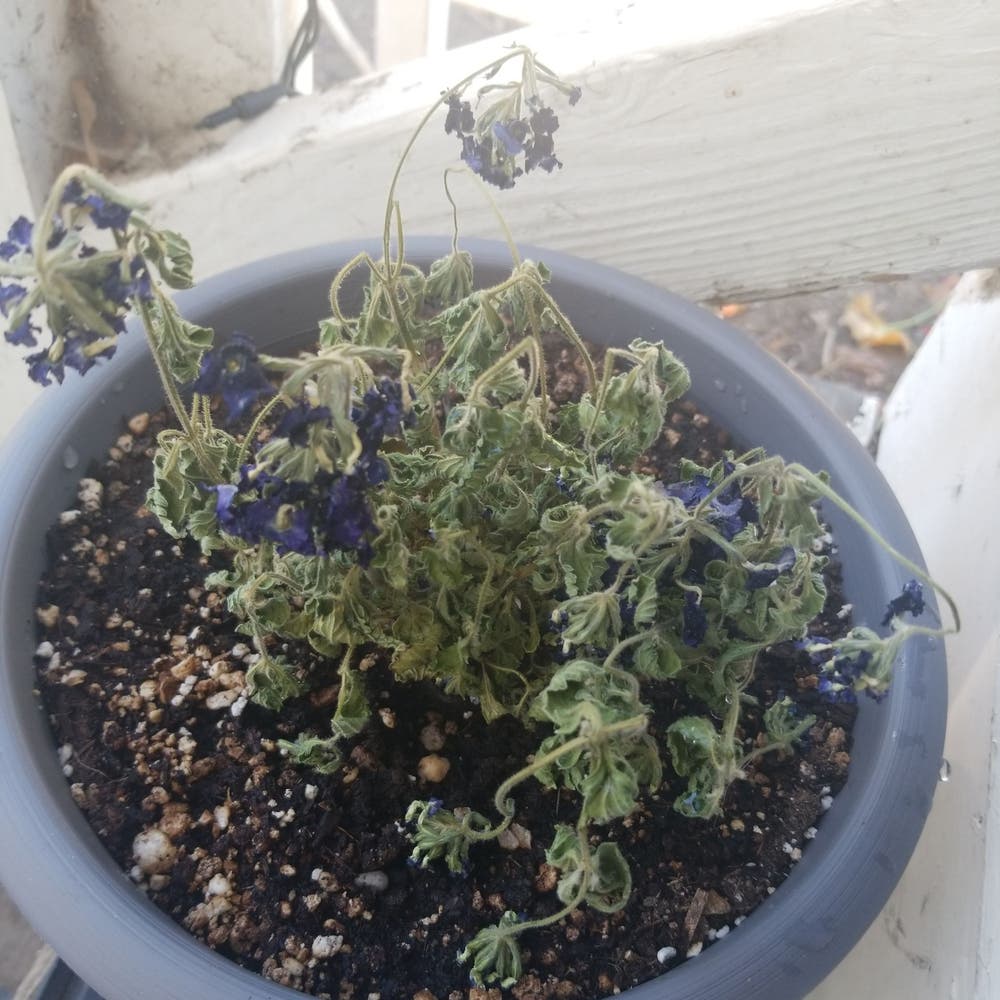
🌸 5 Tips for Healing Curling Leaves on Your Purple Rain Flower
Verbena 'Purple Rain'
By the Greg Editorial Team
Oct 17, 2024•5 min read
This article was created with the help of AI so we can cover more plants for you. May contain errors. See one? Report it here.
- 🌞 Bright, indirect sunlight prevents leaf curling; avoid direct light exposure.
- 🌡️ Maintain 20°C to 30°C for optimal temperature and plant health.
- 🌿 Humidity of 60%-80% is crucial; low levels cause crispy edges and curling.
Diagnosing Curling Leaves
🌍 Environmental Factors
Light
To keep your Purple Rain flower thriving, aim for bright, indirect sunlight. If you notice scorched leaf tips or fading color, your plant may be getting too much direct light.
Temperature
The ideal temperature range for your plant is between 20°C to 30°C (68°F to 86°F). If the leaves start curling or wilting, it could be a sign of temperature stress.
Humidity
Your Purple Rain flower prefers humidity levels between 60% to 80%. If you see crispy leaf edges or curling, low humidity might be the culprit.
🐛 Pests and Diseases
Aphids
Aphids are small, green or black insects that often hide on the undersides of leaves. Their sap-sucking habits can lead to leaf curl and stunted growth.
Spider Mites
Look for fine webbing on leaves or tiny red or yellow dots; these are signs of spider mites. They can cause significant leaf discoloration and curling.
Fungal Infections
Common fungal issues include powdery mildew and root rot. Symptoms like white powdery spots or mushy roots can lead to leaf curl, so keep an eye out.
🥦 Nutrient Deficiencies
Nitrogen Deficiency
If you notice yellowing leaves and stunted growth, your plant might be lacking nitrogen. Soil testing can help diagnose nutrient levels.
Potassium Deficiency
Browning leaf edges and weak stems are indicators of potassium deficiency. A visual inspection combined with soil testing can confirm this issue.
Understanding these factors is crucial for diagnosing curling leaves on your Purple Rain flower. By identifying the root cause, you can take effective steps toward restoring your plant's health. Next, let’s explore how to treat these curling leaves effectively.
Treating Curling Leaves
🌱 Step-by-Step Treatment for Environmental Stress
When your Purple Rain flower shows curling leaves, start by adjusting its light exposure. Move it to a spot with bright, indirect sunlight to prevent further stress.
Next, regulate the temperature. Aim to maintain a stable environment within the ideal range of 20°C to 30°C (68°F to 86°F) to keep your plant happy.
Finally, increase humidity levels. You can use a humidifier or place a pebble tray filled with water near the plant to create a more suitable atmosphere.
🐛 Pest Control Methods
Organic Options
For organic pest control, consider using neem oil. Apply it every 7-14 days, ensuring you cover both the tops and undersides of the leaves for maximum effectiveness.
Insecticidal soap is another great option. Spray it directly on the pests, and it will suffocate them, helping to restore your plant's health.
Chemical Options
If you prefer chemical solutions, look for pesticides with active ingredients like pyrethrin or imidacloprid. Follow the application guidelines carefully to ensure safety and effectiveness.
Always remember to wear gloves and a mask during application. This protects you from any harmful chemicals while treating your plant.
🌿 Nutrient Supplementation Techniques
Choosing the right fertilizer is crucial for your plant's recovery. Look for a balanced NPK ratio, which provides essential nutrients for growth.
Apply fertilizer every 4-6 weeks during the growing season. This regular feeding helps replenish nutrients and supports healthy leaf development.
Consider soil amendments like compost or organic matter. These additions improve soil structure and provide a slow release of nutrients, further enhancing your plant's health.
With these treatment methods, your Purple Rain flower can bounce back from leaf curling. Next, let’s explore how to prevent leaf curl in the future.
Preventing Leaf Curl
🌊 Best Practices for Watering
Watering your Purple Rain flower requires a keen eye. Always check the soil moisture before watering to avoid over-saturation.
Deep watering is preferable as it encourages root growth. In contrast, surface watering can lead to shallow roots and potential leaf curl.
🌱 Ideal Soil Conditions and Amendments
A well-draining potting mix is essential for your plant's health. This type of soil prevents water from pooling, which can cause root rot.
Consider adding perlite or sand to improve drainage. Maintaining a slightly acidic to neutral pH (6.0-7.0) is crucial for nutrient absorption.
🌬️ Maintaining Optimal Humidity and Temperature
Humidity plays a vital role in preventing leaf curl. Use misting or humidity trays to keep moisture levels high.
Temperature stability is equally important. Regularly monitor conditions with thermometers to ensure your plant thrives in its ideal environment.
By following these preventive measures, you can create a nurturing space for your Purple Rain flower. This foundation will help you transition smoothly into monitoring plant health, ensuring your plant remains vibrant and healthy.
Monitoring Plant Health
Regular Inspection Techniques 🌿
To keep your Purple Rain flower thriving, make it a habit to inspect your plant weekly. During these checks, focus on leaf color, texture, and overall vigor to catch any signs of stress early.
Look for vibrant greens and firm leaves as indicators of health. If you notice any discoloration or wilting, it’s time to investigate further.
Signs of Recovery and Ongoing Care 🌱
As your plant begins to recover, watch for new leaf growth and a return to vibrant color. These are clear indicators that your care is paying off.
Continue to adjust your watering and feeding schedules based on the plant's needs. Regular monitoring will help you maintain its health and prevent future issues.
By staying attentive, you can ensure your Purple Rain flower remains a stunning centerpiece in your home.
⚠️ Safety First
This content is for general information and may contain errors, omissions, or outdated details. It is not medical, veterinary advice, or an endorsement of therapeutic claims.
Always consult a qualified healthcare professional before using any plant as food, medicine, or supplement.
Never eat any plant (or feed one to pets) without confirming its identity with at least two trusted sources.
If you suspect poisoning, call Poison Control (800) 222-1222, the Pet Poison Helpline (800) 213-6680, or your local emergency service immediately.
Spotted an error? Please report it here.
Revive your Purple Rain flower's beauty 🌈 by using Greg's tailored care reminders and pest control tips to ensure it thrives in a happy environment!