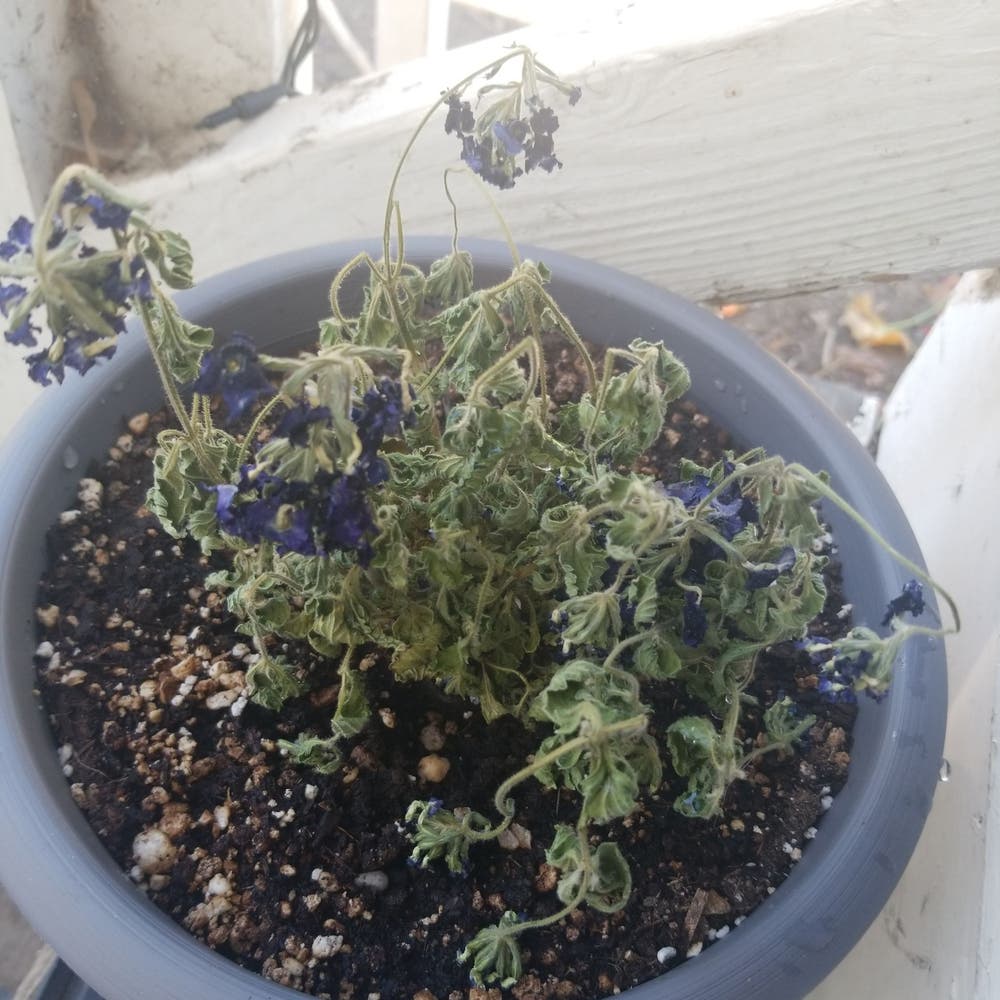
💜 Purple Rain Flower: Not an Annual
Verbena 'Purple Rain'
By the Greg Editorial Team
Oct 17, 2024•6 min read
This article was created with the help of AI so we can cover more plants for you. May contain errors. See one? Report it here.
- 🌼 Purple Rain Flower is a perennial, thriving across multiple growing seasons.
- 🌍 Adaptable to various climates, it ensures resilience and beauty year after year.
- 🌱 Understanding its lifecycle enhances gardening practices for optimal growth and longevity.
Purple Rain Flower Characteristics
🌱 Genetic and Physiological Traits
The Purple Rain Flower boasts unique genetic traits that enable it to adapt for long-term survival. These adaptations allow it to thrive in a variety of climates, making it a resilient choice for gardeners.
⏳ Long-Term Lifecycle and Growth Patterns
This flower undergoes distinct growth phases: active growth, dormancy, and regrowth. During dormancy, it employs energy conservation mechanisms to prepare for the next growth cycle.
🌼 Reproductive Strategies
Unlike annuals, the Purple Rain Flower produces seeds over multiple seasons. Its effective pollination strategies attract pollinators year after year, ensuring a robust reproductive cycle.
The characteristics of the Purple Rain Flower not only highlight its resilience but also set the stage for understanding its lifecycle compared to true annuals. This comparison will reveal how its longevity impacts gardening practices.
Lifecycle Comparison
Lifecycle of Purple Rain Flower vs. True Annuals 🌸
The lifecycle of the Purple Rain Flower is distinct from that of true annuals. While annuals complete their lifecycle in a single growing season, the Purple Rain Flower thrives over multiple years, showcasing a more complex growth pattern.
Germination kicks off the lifecycle, followed by active growth, flowering, and eventual senescence. In contrast, annuals rush through these stages, often leaving little time for energy conservation or adaptation.
Longevity 🌱
One of the most remarkable aspects of the Purple Rain Flower is its longevity. This perennial plant can survive harsh conditions and return year after year, unlike annuals that must be replanted each season.
This extended lifecycle allows the Purple Rain Flower to establish deeper root systems, making it more resilient to environmental stressors. Its ability to thrive over multiple seasons is a testament to its genetic adaptations.
Flowering and Seed Production Differences 🌼
When it comes to flowering, the Purple Rain Flower has a unique seasonal pattern. It doesn’t just bloom once; instead, it produces flowers over several seasons, providing a continuous display of beauty.
Seed production also varies significantly. While annuals typically produce seeds all at once, the Purple Rain Flower spreads its seed production across multiple years, ensuring a steady supply for future generations.
Seed Dispersal 🌬️
The mechanisms of seed dispersal in the Purple Rain Flower are equally fascinating. It employs various strategies, such as wind and animal assistance, to distribute its seeds effectively.
This multi-seasonal approach to seed dispersal contrasts sharply with annuals, which often rely on a single, concentrated burst of seed release. The Purple Rain Flower’s strategy enhances its chances of survival and propagation in diverse environments.
In summary, understanding the lifecycle of the Purple Rain Flower reveals its advantages over true annuals. This knowledge can significantly impact gardening practices and plant management strategies, leading to more sustainable and vibrant gardens.
Regional Variations and Misconceptions
Conditions Where Purple Rain Flower May Be Mistaken for an Annual 🌼
Harsh winters can significantly impact how the Purple Rain Flower is perceived. In regions with severe cold, gardeners might mistakenly treat it as an annual due to its dormant appearance during winter months.
Poor soil conditions can also lead to mismanagement. If the soil lacks nutrients or proper drainage, the plant may struggle, reinforcing the misconception that it’s a short-lived annual.
Exceptions in Treatment and Care 🌱
In specific regions, the growth and care practices for Purple Rain Flower can vary widely. Local climate, soil type, and gardening traditions all play a role in how this perennial is treated.
Common misconceptions abound regarding its lifecycle. Many believe that because it may not bloom every season, it lacks the longevity typical of perennials. Understanding its true nature can help gardeners appreciate its resilience and adaptability.
This knowledge is essential for proper care and can transform how we approach gardening with the Purple Rain Flower. Next, let’s explore the gardening implications of treating this flower as a perennial.
Gardening Implications
🌱 Advantages of Planting as a Perennial
Planting the Purple Rain Flower as a perennial offers significant long-term benefits. It’s a cost-effective choice that promotes sustainability in your garden.
Unlike annuals, which require replanting each year, perennials like the Purple Rain Flower provide continuous blooms. This means you can enjoy vibrant colors and lush foliage season after season.
🎨 Garden Design Strategies Utilizing Purple Rain Flower
When designing your garden, consider companion planting with other perennials. This not only enhances the visual appeal but also supports a healthier ecosystem.
Incorporating Purple Rain Flowers can create seasonal interest throughout the year. Their unique growth patterns ensure that your garden remains lively and engaging, regardless of the season.
By understanding these gardening implications, you can make informed decisions that elevate your garden's beauty and sustainability. Next, let’s explore effective management tips to maximize the longevity of your Purple Rain Flower.
Management Tips
🌱 Best Practices for Managing as a Perennial
When caring for the Purple Rain Flower, proper watering and fertilization are crucial. Adjust your watering schedule to ensure the soil remains consistently moist but not waterlogged, especially during active growth periods.
Fertilization should focus on balanced nutrients, ideally using a slow-release fertilizer in early spring. This approach promotes robust growth and vibrant blooms throughout the season.
✂️ Pruning Techniques
Pruning is essential for encouraging healthy growth and flowering. Regularly remove dead or damaged stems to improve air circulation and reduce disease risk.
Consider cutting back the plant after flowering to stimulate new growth. This practice not only enhances the plant's appearance but also prepares it for the next blooming cycle.
🌼 Tips for Maximizing Longevity in the Garden
Soil health plays a pivotal role in the longevity of your Purple Rain Flower. Regularly amend the soil with organic matter to improve its structure and drainage.
Ensure your garden has proper drainage to prevent root rot, which can be detrimental to perennials. Healthy soil supports strong root systems, allowing the plant to thrive year after year.
🍂 Seasonal Care
Preparing for dormancy is just as important as nurturing growth. As the seasons change, gradually reduce watering and stop fertilizing to allow the plant to enter its resting phase.
In late fall, consider mulching around the base to protect the roots from harsh winter conditions. This simple step can significantly enhance the plant's resilience and ensure a robust regrowth in spring.
By following these management tips, you can enjoy the beauty of the Purple Rain Flower for many seasons to come. Transitioning to the next section, let’s explore how to design your garden to maximize the impact of this stunning perennial.
⚠️ Safety First
This content is for general information and may contain errors, omissions, or outdated details. It is not medical, veterinary advice, or an endorsement of therapeutic claims.
Always consult a qualified healthcare professional before using any plant as food, medicine, or supplement.
Never eat any plant (or feed one to pets) without confirming its identity with at least two trusted sources.
If you suspect poisoning, call Poison Control (800) 222-1222, the Pet Poison Helpline (800) 213-6680, or your local emergency service immediately.
Spotted an error? Please report it here.
Discover the enduring beauty of the Purple Rain Flower 🌸 and let Greg provide you with tailored watering reminders and care tips to help your garden thrive season after season!