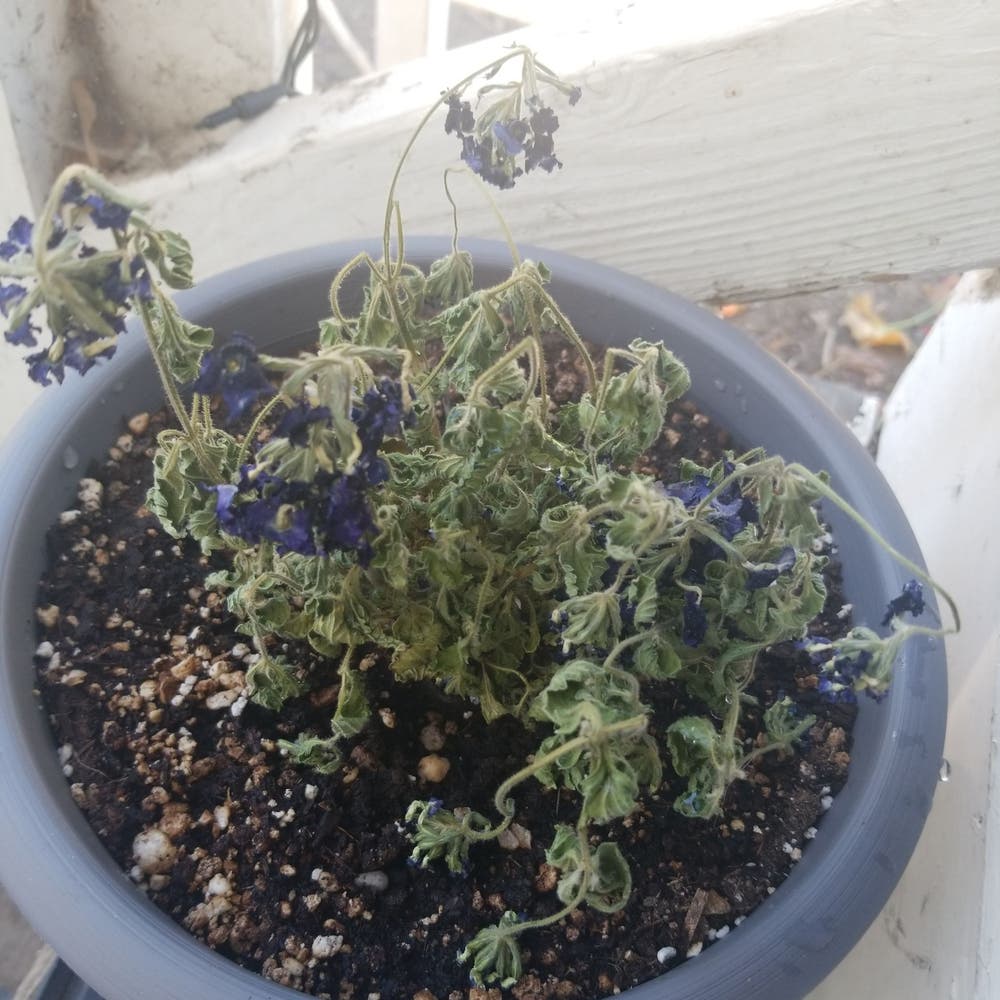
💜 Purple Rain Flower Is a Garden Plant, Not a Weed
Verbena 'Purple Rain'
By the Greg Editorial Team
Oct 17, 2024•5 min read
This article was created with the help of AI so we can cover more plants for you. May contain errors. See one? Report it here.
- 🌸 Purple Rain Flower thrives in well-drained soil with 6+ hours of sunlight daily.
- 🐝 Attracts pollinators like bees and butterflies, enhancing garden biodiversity.
- 🌿 Low maintenance and versatile, perfect for busy gardeners and various landscapes.
Growth Habits
Typical Growth Patterns 🌱
The Purple Rain Flower exhibits a charming clumping growth habit, typically reaching heights of 1 to 3 feet and spreading about 2 feet wide. This plant thrives in well-drained soil, basking in full sun to partial shade, and requires moderate watering to maintain its vibrant appearance.
Ideal Conditions for Optimal Growth ☀️
For optimal growth, aim for loamy or sandy soil enriched with organic matter. Ensure it receives at least six hours of sunlight daily, and water it regularly, allowing the soil to dry slightly between waterings.
Natural Growth Limits 🚧
In various garden settings, the Purple Rain Flower can spread moderately, making it a versatile choice for many landscapes. However, its growth can be limited by poor soil conditions and competition from more aggressive plants.
Factors That Limit Growth ⚠️
Soil pH, nutrient availability, and moisture levels can significantly impact its growth potential. Additionally, neighboring plants can compete for resources, hindering the Purple Rain Flower's development.
Seasonal Growth Behaviors 🌸
Throughout the seasons, the Purple Rain Flower showcases distinct growth behaviors. It blooms in late spring to early summer, enters a dormancy phase in winter, and actively grows during the warmer months.
Maintenance Practices During Different Seasons 🛠️
To encourage healthy growth, consider seasonal maintenance practices. In spring, apply a balanced fertilizer; during summer, deadhead spent blooms; and in fall, cut back the plant to prepare for winter dormancy.
This thoughtful approach to care ensures that your Purple Rain Flower remains a stunning centerpiece in your garden. As we explore its ecological role next, you'll discover how this plant contributes to a thriving garden ecosystem.
Ecological Role
Benefits to Ecosystems 🌍
The Purple Rain Flower plays a vital role in enhancing soil health and promoting biodiversity. Its roots help improve soil structure, making it more resilient against erosion.
Positive Interactions with Wildlife 🦋
This plant is a magnet for pollinators like bees and butterflies, which are essential for a thriving garden. Additionally, it provides habitat and food sources for various local wildlife, enriching the ecosystem.
Support for Pollinators 🐝
One of the standout features of the Purple Rain Flower is its abundant nectar and pollen availability. This not only supports pollinators but also boosts overall garden health and productivity, creating a vibrant environment.
Incorporating the Purple Rain Flower into your garden isn't just about aesthetics; it's about fostering a thriving ecosystem. Next, let’s explore how to effectively manage this beautiful plant in your garden design.
Garden Management
Incorporating into Garden Designs 🌼
Purple Rain Flower fits beautifully in various garden styles. For cottage gardens, consider placing them in clusters to create a lush, vibrant look.
In modern landscapes, use them as focal points or borders. They pair well with other plants, enhancing both aesthetics and health through companion planting.
Growth Control Techniques ✂️
Managing the growth of Purple Rain Flower is essential for a tidy garden. Regular pruning helps maintain shape and encourages bushier growth.
Spacing is crucial; ensure adequate room between plants to prevent overcrowding. Seasonal cutting back can also keep your garden looking fresh while allowing natural growth.
Maintenance Tips 🧑🌾
Establish a consistent watering schedule, especially during dry spells. Fertilization should be done in early spring to promote healthy growth.
Stay vigilant for pests and diseases specific to Purple Rain Flower. Regular checks can help you catch issues early, ensuring your garden thrives.
With these management strategies, your Purple Rain Flower will not only flourish but also enhance the beauty of your garden. Next, let’s explore how this plant compares to others in the garden.
Comparison to Other Plants
🌼 Similar Non-Invasive Plants
When considering companions for the Purple Rain Flower, several non-invasive plants shine. For instance, Daylilies offer vibrant colors and thrive in similar conditions, while Black-eyed Susans provide cheerful yellow blooms that attract pollinators.
These plants not only enhance the garden's aesthetic but also contribute to biodiversity. Their growth habits complement the clumping nature of Purple Rain Flower, creating a harmonious garden environment.
🌟 Unique Qualities
The Purple Rain Flower stands out with its striking vibrant purple blooms and moderate growth habits. Unlike some invasive species, it maintains a tidy appearance while providing a splash of color throughout the growing season.
Its unique features make it a favorite among gardeners looking for both beauty and functionality. This plant's ability to thrive in various conditions further sets it apart from other garden options.
🌿 Advantages in Garden Settings
Gardeners often choose Purple Rain Flower for its versatility in different garden designs. Whether in a cottage garden or a modern landscape, its adaptability makes it a reliable choice.
Moreover, its low maintenance needs and ecological benefits make it an attractive option. By incorporating Purple Rain Flower, gardeners can create visually appealing spaces that also support local ecosystems.
Legal and Environmental Considerations
📜 Classifications and Guidelines
When considering planting Purple Rain Flower, it's essential to be aware of local and national guidelines. Regulations can vary significantly, so checking with local gardening authorities or extension services ensures compliance and promotes responsible gardening practices.
🌱 Sustainable Gardening Practices
Purple Rain Flower is an excellent choice for sustainable gardening. As a native and non-invasive plant, it contributes to a balanced ecosystem, supporting local wildlife while minimizing the risk of outcompeting native species.
🌍 Environmental Impact
Incorporating Purple Rain Flower into your garden has a positive environmental impact. It enhances local biodiversity and supports ecosystem health, providing long-term benefits that resonate well beyond your garden's borders.
By choosing this vibrant plant, you're not just beautifying your space; you're also making a meaningful contribution to the environment. This choice fosters a thriving habitat for various species, enriching the natural world around you.
As you explore the benefits of Purple Rain Flower, consider how it fits into your overall garden design and the positive ripple effects it can create.
⚠️ Safety First
This content is for general information and may contain errors, omissions, or outdated details. It is not medical, veterinary advice, or an endorsement of therapeutic claims.
Always consult a qualified healthcare professional before using any plant as food, medicine, or supplement.
Never eat any plant (or feed one to pets) without confirming its identity with at least two trusted sources.
If you suspect poisoning, call Poison Control (800) 222-1222, the Pet Poison Helpline (800) 213-6680, or your local emergency service immediately.
Spotted an error? Please report it here.
Transform your garden with the vibrant Purple Rain Flower 🌼, and let Greg guide you with tailored care tips and watering reminders to ensure it flourishes beautifully!