🌸 When and How to Repot Your Purple Rain Flower
Verbena 'Purple Rain'
By the Greg Editorial Team
Oct 17, 2024•6 min read
This article was created with the help of AI so we can cover more plants for you. May contain errors. See one? Report it here.
- 🌱 Signs to repot: Look for roots out of drainage holes or stunted growth.
- 🌼 Best time to repot: Early spring is ideal for your Purple Rain flower.
- 🧪 Post-repotting care: Monitor for stress and ensure proper watering and light.
Signs That Your Flower Needs Repotting
🌱 Root Bound Indicators
One of the first signs that your Purple Rain flower needs repotting is when roots start growing out of the drainage holes. If you notice roots circling the pot, it’s a clear indicator that your plant is root-bound.
Stunted growth, even with proper care, is another red flag. If your plant seems to be struggling despite your best efforts, it’s time to take action.
🪴 Soil Condition Signs
Pay attention to the soil as well. If it dries out too quickly after watering, your plant may be outgrowing its current home.
Mold or algae on the soil surface is a sign of poor drainage or overwatering, while compacted soil that retains too much moisture can suffocate roots.
🌿 Plant Health Symptoms
Your plant’s health can also reveal its need for repotting. Yellowing leaves or leaf drop often indicate stress, signaling that the roots may be cramped.
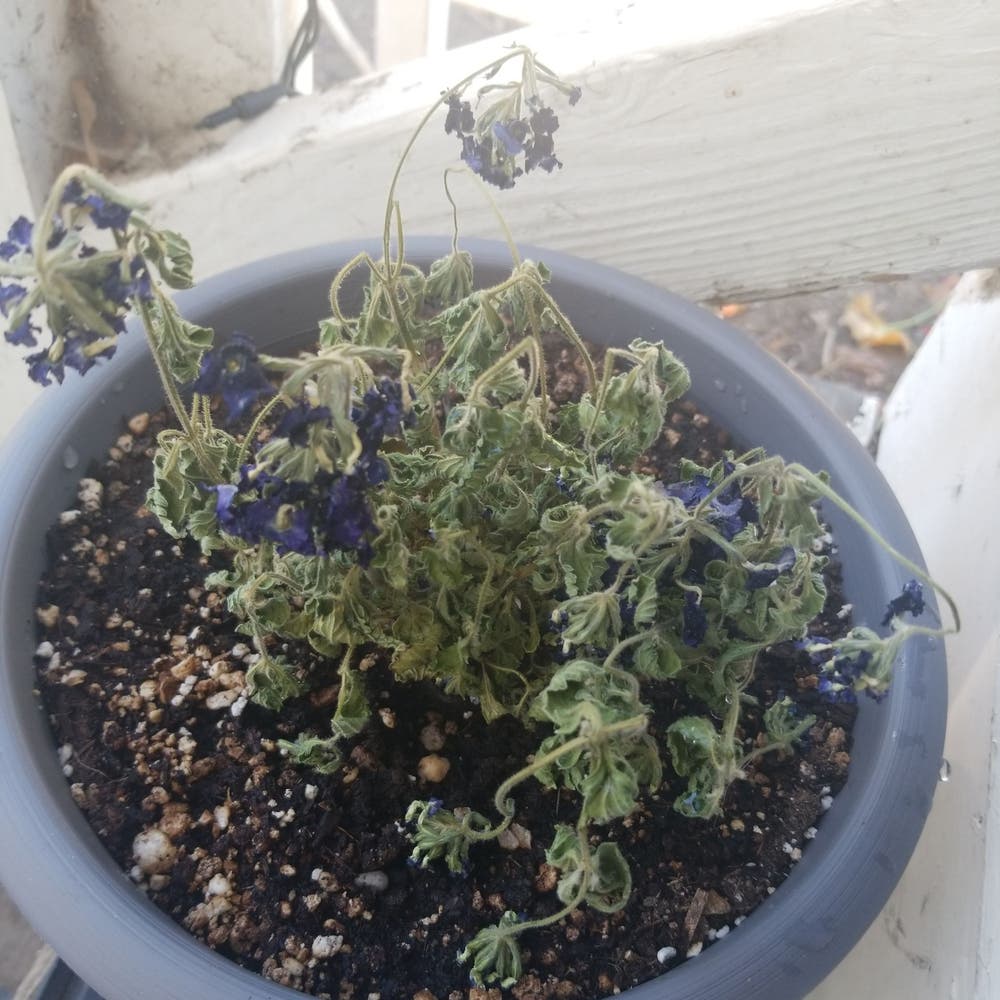
If your Purple Rain flower wilts despite adequate watering, or if you notice reduced flowering or foliage growth, these are strong signs that it’s time for a new pot.
Recognizing these signs early can help ensure your plant thrives. Next, let’s explore the ideal timing for repotting your Purple Rain flower.
Ideal Timing for Repotting
🌱 Seasonal Considerations
The best time to repot your Purple Rain flower is early spring, just before the growing season kicks off. This timing allows the plant to adjust and thrive in its new environment as it gears up for growth.
Avoid repotting during flowering or extreme temperature changes. Doing so can stress the plant and hinder its natural growth cycle.
🌡️ Environmental Factors
Before repotting, assess your indoor conditions, particularly temperature and humidity levels. A stable environment helps the plant adapt more easily after the transition.
Look for signs of seasonal growth patterns in your plant. If you notice new leaves or blooms emerging, it’s a clear indicator that your Purple Rain is ready for a new pot.
By carefully considering these factors, you can ensure a successful repotting experience that supports your plant's health and vitality. Next, let’s dive into how to assess root health before making the move.
How to Assess Root Health Before Repotting
🌱 Root Inspection Techniques
Before repotting your Purple Rain flower, it's crucial to assess the root health. Start by gently removing the plant from its pot; this can be done by tipping the pot sideways and lightly tapping the sides.
Once out, inspect the roots closely. Healthy roots should be firm and white, while brown, mushy roots indicate rot. If you find any unhealthy roots, it’s time to prune them away.
🧪 Evaluating Soil Condition
Next, evaluate the soil condition. Check the moisture levels by sticking your finger into the soil; it should feel slightly damp but not soggy.
Look for signs of root rot or disease, such as a foul smell or a slimy texture. If the soil is compacted or overly dry, it may be time for a change.
By ensuring both the roots and soil are in good condition, you set your plant up for a successful repotting experience. This careful assessment will help your Purple Rain flower thrive in its new home.
Ready to dive into the ideal timing for repotting? Let’s explore when to make that move!
Repotting Techniques
Step-by-Step Guide to Repotting 🌱
Repotting your Purple Rain flower can seem daunting, but it's a straightforward process. Follow these steps to ensure your plant thrives in its new home.
Gather materials: You'll need a new pot, fresh potting soil, and tools like a trowel and scissors.
Prepare the new pot: Make sure it has drainage holes to prevent waterlogging.
Remove the plant: Gently slide the plant out of its old pot, taking care not to damage the roots.
Inspect and prune roots: Look for any damaged or overly long roots and trim them back.
Add potting soil: Fill the new pot with fresh potting soil, leaving enough space for the plant.
Position the plant: Center the plant in the pot and fill around the roots with soil.
Water thoroughly: Give the plant a good soak, ensuring the soil is moist but not waterlogged.
Handling Root-Bound Plants 🌿
If your plant is root-bound, it requires special attention.
Techniques for loosening roots: Gently untangle or cut any circling roots to encourage new growth.
Importance of repotting into a larger pot: This allows the roots to expand and the plant to flourish.
By following these techniques, you’ll set your Purple Rain flower up for success in its new pot. Next, let’s explore the best pot materials to use for optimal growth.
Pot Material Options
Recommendations for Pot Materials 🌱
Choosing the right pot material is crucial for your Purple Rain flower's health. Here are some popular options:
Ceramic
Ceramic pots are visually appealing and provide excellent insulation for roots. However, they can be heavy and may retain moisture, which could lead to overwatering issues.
Plastic
Plastic pots are lightweight and affordable, making them a favorite among many gardeners. They offer good drainage but can heat up quickly, potentially stressing your plant.
Terracotta
Terracotta pots excel in drainage and allow for air circulation around the roots. On the downside, they can dry out rapidly, necessitating more frequent watering.
Recommendations for Pot Size and Shape 🌼
When repotting, size matters. Aim for a pot that is 1-2 inches larger in diameter than the current one. This extra space allows your plant to grow without becoming root-bound.
Shape Considerations
Opt for wider pots to enhance stability and encourage root spread. A well-chosen shape can make a significant difference in your plant's overall health and growth.
With the right pot material and size, your Purple Rain flower will thrive. Next, let’s explore how to care for your plant after repotting to ensure a smooth transition.
Post-Repotting Care
💧 Watering After Repotting
After repotting your Purple Rain flower, the first step is to thoroughly soak the soil. This helps settle the roots and provides essential moisture.
Once soaked, allow the soil to dry slightly before the next watering. Monitoring moisture levels is crucial to avoid overwatering, which can lead to root rot.
☀️ Light Requirements Post-Transplant
Your newly repotted plant will thrive best in bright, indirect sunlight. This light condition encourages healthy growth without overwhelming the plant.
It's important to avoid direct sunlight immediately after repotting. This can stress the plant as it adjusts to its new environment.
👀 Monitoring Plant Health After Repotting
Keep an eye on your plant for signs of stress, such as wilting or leaf discoloration. These symptoms can indicate that the plant is struggling to adapt.
Adjust your care based on how your plant responds to its new home. Being attentive will help ensure your Purple Rain flower flourishes in its fresh pot.
As you nurture your plant through this adjustment period, you'll set the stage for vibrant growth and blooming. Next, let’s explore the various pot material options to enhance your repotting experience.
⚠️ Safety First
This content is for general information and may contain errors, omissions, or outdated details. It is not medical, veterinary advice, or an endorsement of therapeutic claims.
Always consult a qualified healthcare professional before using any plant as food, medicine, or supplement.
Never eat any plant (or feed one to pets) without confirming its identity with at least two trusted sources.
If you suspect poisoning, call Poison Control (800) 222-1222, the Pet Poison Helpline (800) 213-6680, or your local emergency service immediately.
Spotted an error? Please report it here.
Revitalize your Purple Rain flower's growth and blooms 🌱 by using Greg's tailored reminders and expert tips for a successful repotting experience!