🌧 Purple Rain Flower Hardiness Zones: 7a-11b
Verbena 'Purple Rain'
By the Greg Editorial Team
Oct 17, 2024•5 min read
This article was created with the help of AI so we can cover more plants for you. May contain errors. See one? Report it here.
- 🌼 Purple Rain Flower thrives in hardiness zones 7a-11b, suitable for diverse climates.
- ❄️🌡️ Tolerates temperatures from 0°F to 100°F, making it resilient in various conditions.
- 🌍 Ideal for states like California and Florida, but avoid extreme cold regions.
Temperature Tolerance of Purple Rain Flower
❄️ Cold Tolerance Specifics
Purple Rain Flower can withstand temperatures as low as 0°F (-18°C), making it suitable for Zone 7a. Understanding first frost dates is crucial, as they typically occur in late fall and significantly impact planting and care.
☀️ Heat Tolerance Specifics
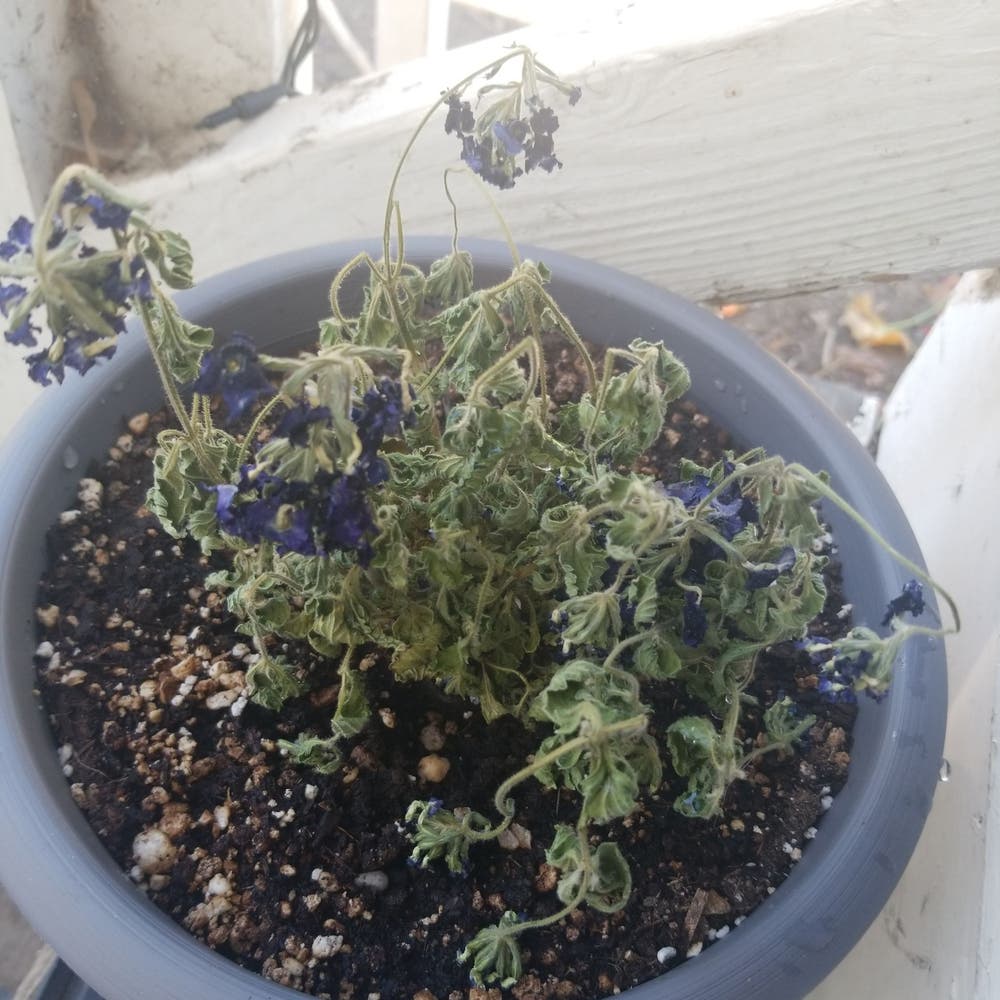
On the flip side, this flower thrives in heat, tolerating temperatures up to 100°F (38°C), common in Zones 10 and 11. Watch for signs of heat stress, such as wilting or leaf scorch, and employ strategies like mulching or providing shade to mitigate these effects.
🌨️ Impact of Frost on Growth
Frost sensitivity is a critical concern for Purple Rain Flower; it can damage or even kill the plant. Knowing the last frost dates in spring is essential for planning your planting schedule effectively.
Understanding these temperature tolerances will help you cultivate a thriving Purple Rain Flower garden. Next, we’ll explore the ideal growing regions for this beautiful plant.
Ideal Growing Regions for Purple Rain Flower
🌍 Examples of US States in Suitable Hardiness Zones
Purple Rain Flower thrives in hardiness zones 7a to 11b, making several states ideal for its growth. Notable states include California, Texas, Florida, and parts of the Southeast, each offering unique conditions for this vibrant plant.
In California, regions like Southern California provide a warm climate and ample sunshine. Texas boasts diverse environments, from the humid Gulf Coast to the arid West, both supporting the flower's needs. Florida's tropical climate is particularly favorable, while the Southeast offers a mix of warmth and humidity that enhances growth.
🌦️ Factors Contributing to Ideal Growing Conditions
Several climate factors play a crucial role in the successful cultivation of Purple Rain Flower. Temperature, humidity, and rainfall patterns must align to create a nurturing environment.
Well-draining soils are essential for healthy growth. The flower adapts to various soil types, but it flourishes best in soils that prevent waterlogging, ensuring roots remain healthy and robust.
📊 Comparison of Different Regions
Growing conditions can vary significantly across states, impacting the health of Purple Rain Flower. Local climate variations, such as temperature fluctuations and humidity levels, can either support or hinder growth.
Microclimates within larger regions also play a vital role. For instance, coastal areas may offer milder temperatures, while sheltered valleys can provide protection from harsh winds, creating ideal conditions for this beautiful flower. Understanding these nuances can help gardeners maximize their success.
Microclimates and Their Effects
🌱 How Microclimates Can Extend Growing Zones
Microclimates can significantly enhance the growing potential for Purple Rain Flower, allowing it to thrive outside its typical hardiness zones. These localized areas create unique conditions that can be warmer or cooler than the surrounding environment.
Several factors contribute to the formation of microclimates:
- Elevation: Higher altitudes can lead to cooler temperatures, while lower areas may trap heat.
- Proximity to Water: Bodies of water can moderate temperatures, keeping areas warmer in winter and cooler in summer.
- Urban Heat Islands: Cities often experience higher temperatures due to concrete and asphalt, providing a warmer environment for plants.
🌊 Examples of Microclimates That Benefit Purple Rain Flower
Certain microclimates offer ideal conditions for the Purple Rain Flower.
- Coastal Areas: These regions benefit from milder temperatures and humidity, creating a perfect environment for growth.
- Sheltered Valleys: Valleys can provide protection from harsh winds and frost, allowing for a longer growing season.
- Urban Gardens: Gardens in cities often experience warmer temperatures due to surrounding structures, making them suitable for cultivation.
Understanding these microclimates can empower gardeners to maximize their growing potential, even in less-than-ideal conditions. By recognizing these unique environments, you can create a thriving space for your Purple Rain Flower.
As we explore the broader implications of suitable growing regions, it’s essential to consider how these localized conditions can influence overall cultivation strategies.
States Suitable and Not Suitable for Purple Rain Flower
List of States in Hardiness Zones 7a-11b 🌞
Several states fall within the ideal hardiness zones for the Purple Rain Flower, including California, Texas, Florida, Louisiana, and parts of the Southeast. These regions boast warm climates that support the growth of this vibrant plant.
- California: Known for its diverse climates, areas like Southern California provide ample sunshine and warmth.
- Texas: The vast state offers various microclimates, particularly in the southern regions, ideal for thriving Purple Rain Flowers.
- Florida: With its tropical climate, Florida's humidity and warmth create perfect conditions for this flower.
- Louisiana: The warm, humid environment supports robust growth, especially in the southern parts.
- Southeast: States like Georgia and Alabama also provide favorable conditions, thanks to their warm temperatures and ample rainfall.
Explanation of States Outside Suitable Zones 🚫
Not all states can nurture the Purple Rain Flower. States like North Dakota, Montana, and parts of the Northeast fall outside the 7a-11b range.
These regions experience extreme cold temperatures, which can be detrimental to the plant's survival. Additionally, shorter growing seasons and higher frost risks further limit the potential for successful cultivation.
Reasons for Unsuitability in Certain Regions ❌
Several environmental factors contribute to the unsuitability of certain regions for the Purple Rain Flower.
- Soil Quality: Poor soil conditions can hinder growth, making it essential to have well-draining soil.
- Temperature Extremes: Areas with significant temperature fluctuations can stress the plant, affecting its health.
- Frost Frequency: High frost occurrences can damage or kill the plant, making it crucial to understand local climate conditions.
Understanding these factors is vital for anyone looking to cultivate the Purple Rain Flower successfully. With the right knowledge, you can ensure that your gardening efforts yield beautiful results.
As we explore more about microclimates, you'll discover how they can create even more opportunities for growing this stunning flower.
⚠️ Safety First
This content is for general information and may contain errors, omissions, or outdated details. It is not medical, veterinary advice, or an endorsement of therapeutic claims.
Always consult a qualified healthcare professional before using any plant as food, medicine, or supplement.
Never eat any plant (or feed one to pets) without confirming its identity with at least two trusted sources.
If you suspect poisoning, call Poison Control (800) 222-1222, the Pet Poison Helpline (800) 213-6680, or your local emergency service immediately.
Spotted an error? Please report it here.
Unlock the secrets to thriving Purple Rain Flowers in your garden 🌼 by using Greg's tailored care reminders and tips to navigate your unique climate conditions!