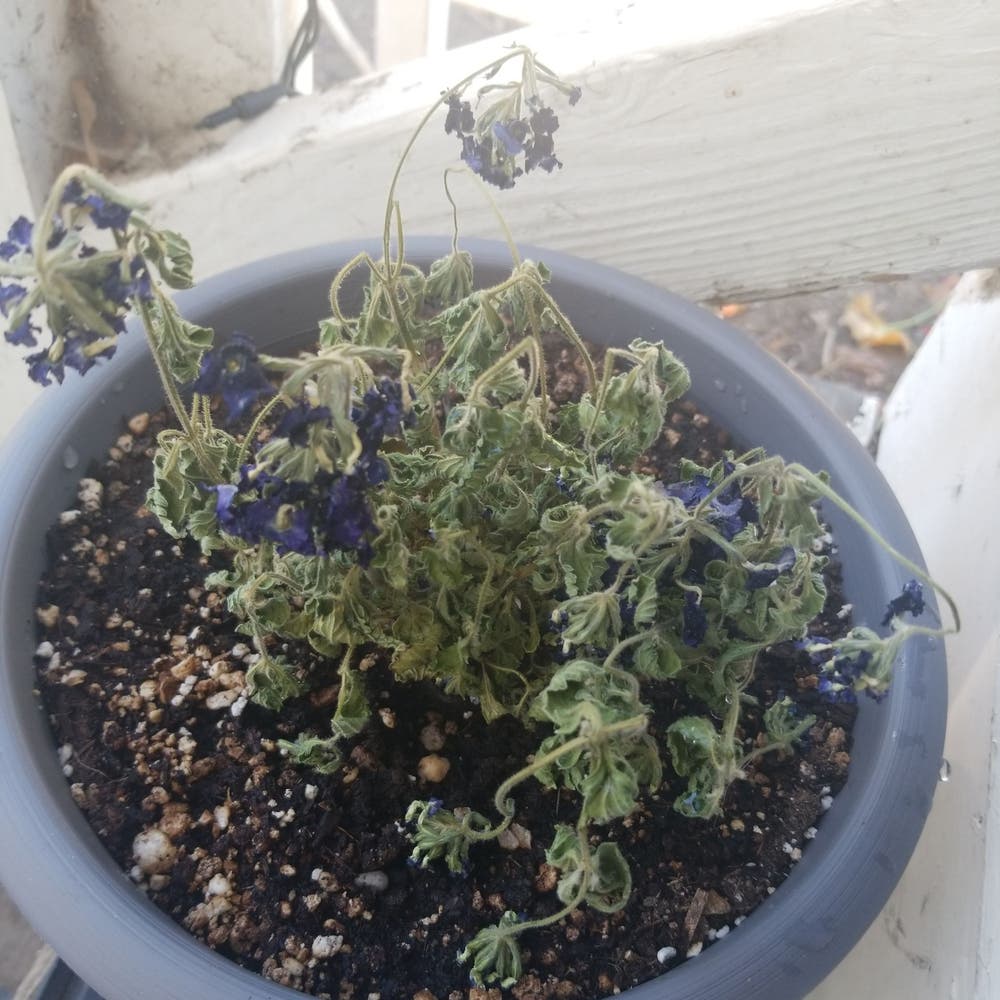
What to Do About Black Spots on Your Purple Rain Flower ☔️
Verbena 'Purple Rain'
By the Greg Editorial Team
Oct 17, 2024•6 min read
This article was created with the help of AI so we can cover more plants for you. May contain errors. See one? Report it here.
- 🌱 Black spots indicate fungal or bacterial infections; identify symptoms for effective treatment.
- 💧 Maintain consistent soil moisture to prevent black spots on your Purple Rain Flower.
- 🌬️ Ideal humidity and spacing enhance air circulation, reducing black spot risks.
Diagnosis of Black Spots
🕵️♂️ Identifying Black Spots on Leaves
Black spots on your Purple Rain Flower can vary in size, shape, and color. Typically, they appear as small, dark patches that may have irregular edges, often contrasting sharply with the vibrant green leaves.
These spots commonly show up on the upper surface of leaves but can also be found on stems and flowers. Identifying their location is crucial for determining the underlying issue.
🦠 Differentiating Between Fungal and Bacterial Infections
Fungal infections often present as dark, irregular spots surrounded by yellow halos. These spots can spread rapidly, especially in warm, humid conditions, making early detection essential.
On the other hand, bacterial leaf spots start as water-soaked lesions that may darken over time. These infections thrive in wet environments, so keeping an eye on moisture levels is vital.
🌧️ Environmental Factors Contributing to Black Spots
Humidity plays a significant role in the health of your Purple Rain Flower. Ideally, humidity levels should be kept between 40-60% to prevent stress and disease.
Temperature extremes can also affect your plant's well-being. High heat can lead to scorching, while cold stress can weaken the plant, making it more susceptible to infections.
Lastly, consistent soil moisture is crucial. Both overwatering and underwatering can create conditions ripe for black spots to develop. Regularly check your watering practices to maintain a healthy balance.
Understanding these factors will help you diagnose and address black spots effectively, setting the stage for healthier plants. Next, we’ll explore the causes behind these pesky spots.
Causes of Black Spots
🦠 Fungal Infections and Their Impact
Fungal infections are a primary culprit behind black spots on your Purple Rain Flower. Common pathogens include Botrytis and Alternaria, which thrive in damp conditions.
These fungi create dark, irregular spots that can quickly spread if humidity is high and air circulation is poor. Keeping your plants in well-ventilated areas can help mitigate this risk.
🦠 Bacterial Leaf Spot and Its Symptoms
Bacterial leaf spot is another concern, often caused by pathogens like Pseudomonas and Xanthomonas. Look for water-soaked lesions that may darken over time.
Symptoms include wilting leaves and noticeable discoloration, signaling that your plant is under stress. Early detection is key to managing these issues effectively.
🌧️ Environmental Stressors
Humidity plays a significant role in the health of your Purple Rain Flower. Low humidity can lead to leaf curling and increased susceptibility to diseases.
Temperature fluctuations also stress the plant, making it more vulnerable to infections. Additionally, improper watering practices—whether overwatering or underwatering—can exacerbate these problems, leading to root rot or drought stress.
Understanding these causes will empower you to take proactive measures in maintaining your plant's health. Next, we’ll explore treatment options to combat these black spots effectively.
Treatment Options
🌱 Organic Fungicides and Their Application
When it comes to treating black spots on your Purple Rain Flower, organic fungicides are a great choice. Look for options like neem oil, sulfur, or copper-based fungicides, as they are effective and environmentally friendly.
For application, timing is crucial. Aim to treat your plants in the early morning or late afternoon to avoid the heat of the day. Repeat treatments every 7 to 14 days, especially after rain, to maintain effectiveness.
🏡 Homemade Remedies for Black Spots
You can also whip up some homemade remedies using common household ingredients. Baking soda, neem oil, and vinegar are all effective against black spots.
Here’s an easy step-by-step guide to create your own remedy:
- Mix 1 tablespoon of baking soda with 1 gallon of water.
- Add a few drops of liquid soap for better adherence.
- Spray on affected areas every 7-14 days for best results.
✂️ Pruning Affected Leaves and Proper Disposal
Removing infected leaves is essential to prevent the spread of black spots. Pruning not only helps your plant recover but also promotes healthier growth.
Use clean, sharp tools for pruning to minimize damage. After cutting, dispose of the infected leaves properly—avoid composting them to prevent re-infection.
By following these treatment options, you can effectively manage black spots on your Purple Rain Flower. Next, let’s explore some prevention strategies to keep your plant healthy and thriving.
Prevention Strategies
Best Watering Practices to Avoid Leaf Spots 🌧️
To keep your Purple Rain Flower healthy, establish a consistent watering schedule. Aim to water deeply but infrequently, allowing the top inch of soil to dry out between waterings.
Check soil moisture regularly using simple techniques. The finger test is effective: insert your finger into the soil; if it feels dry, it’s time to water. Alternatively, moisture meters can provide precise readings, ensuring you don’t overwater or underwater.
Importance of Air Circulation and Spacing 🌬️
Proper spacing between plants is crucial for preventing black spots. Aim for at least 12 to 18 inches between each plant to promote healthy growth and airflow.
Enhance air circulation by strategically pruning and placing your plants. Removing excess foliage allows for better airflow, reducing humidity around the leaves, which can help prevent fungal infections.
Soil Health and Its Role in Preventing Diseases 🪴
Well-draining soil is essential for the health of your Purple Rain Flower. Use a mix that includes organic matter to improve drainage and aeration, which helps prevent root rot and other diseases.
Regular soil testing is vital for monitoring pH and nutrient levels. This proactive approach ensures your plants receive the right nutrients, promoting robust growth and resilience against diseases.
By implementing these prevention strategies, you can significantly reduce the risk of black spots on your Purple Rain Flower. Next, let’s explore effective treatment options if you do encounter these pesky spots.
Monitoring and Maintenance
Regular Inspection of Leaves for Early Signs 🌿
To keep your Purple Rain Flower healthy, inspect the leaves weekly for black spots. Look for any changes in leaf color and texture, as these can be early indicators of trouble.
Seasonal Care Adjustments to Minimize Risk 🌦️
Adjusting humidity levels is crucial, especially during dry seasons. Consider using humidity trays or misting to maintain an ideal environment for your plant.
Temperature Control 🌡️
Stable temperatures are essential for your Purple Rain Flower's health. Avoid placing your plant in drafty areas or near heat sources to prevent stress.
Record-Keeping for Plant Health and Treatment Effectiveness 📓
Documenting symptoms and treatments is vital for effective plant care. Use journals or apps to track changes and treatments, helping you identify patterns over time.
By staying vigilant and making these adjustments, you can significantly reduce the risk of black spots on your Purple Rain Flower. Next, let’s explore effective treatment options to combat any issues that arise.
⚠️ Safety First
This content is for general information and may contain errors, omissions, or outdated details. It is not medical, veterinary advice, or an endorsement of therapeutic claims.
Always consult a qualified healthcare professional before using any plant as food, medicine, or supplement.
Never eat any plant (or feed one to pets) without confirming its identity with at least two trusted sources.
If you suspect poisoning, call Poison Control (800) 222-1222, the Pet Poison Helpline (800) 213-6680, or your local emergency service immediately.
Spotted an error? Please report it here.
Keep your Purple Rain Flower spot-free 🌿 by using Greg's tailored watering reminders and community insights to catch issues early and maintain a healthy environment!